
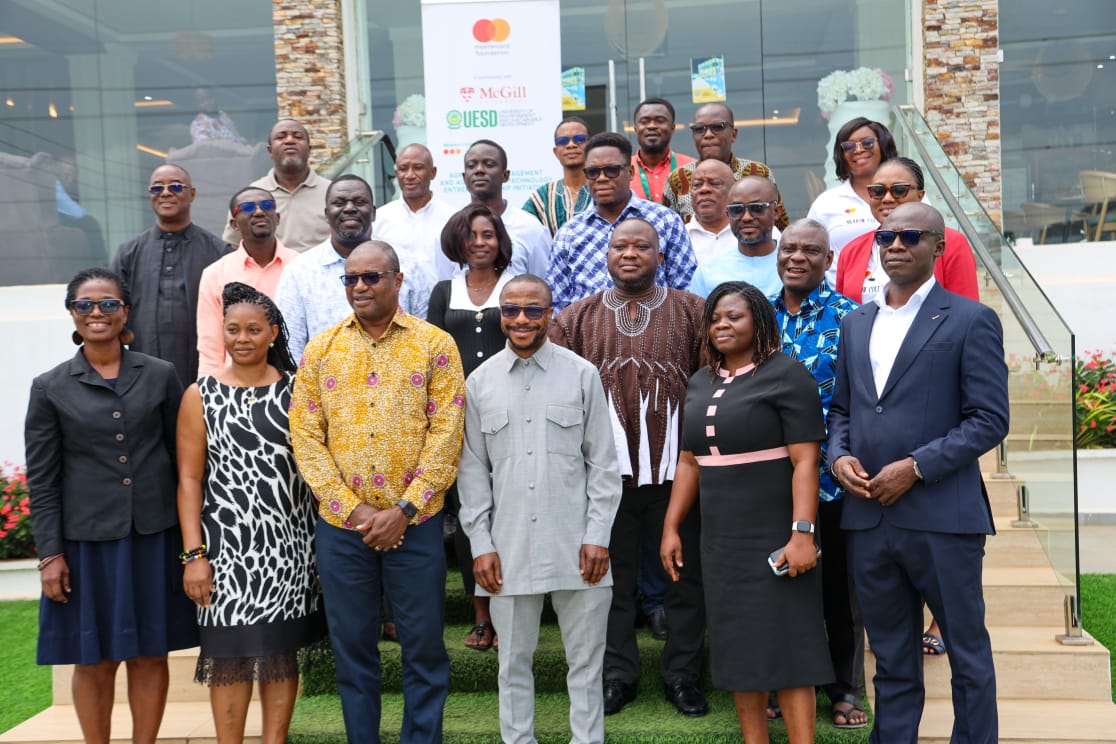
Three innovative postgraduate programmes designed to strengthen Ghana’s capacity in sustainable agriculture, aquaculture and the Blue Economy, while producing highly skilled professionals to drive research, innovation and job creation, have been endorsed by key stakeholders under the Nkabom Collaborative-a flagship initiative of the University of Environment and Sustainable Development (UESD), implemented in partnership with McGill University and supported by the Mastercard Foundation.
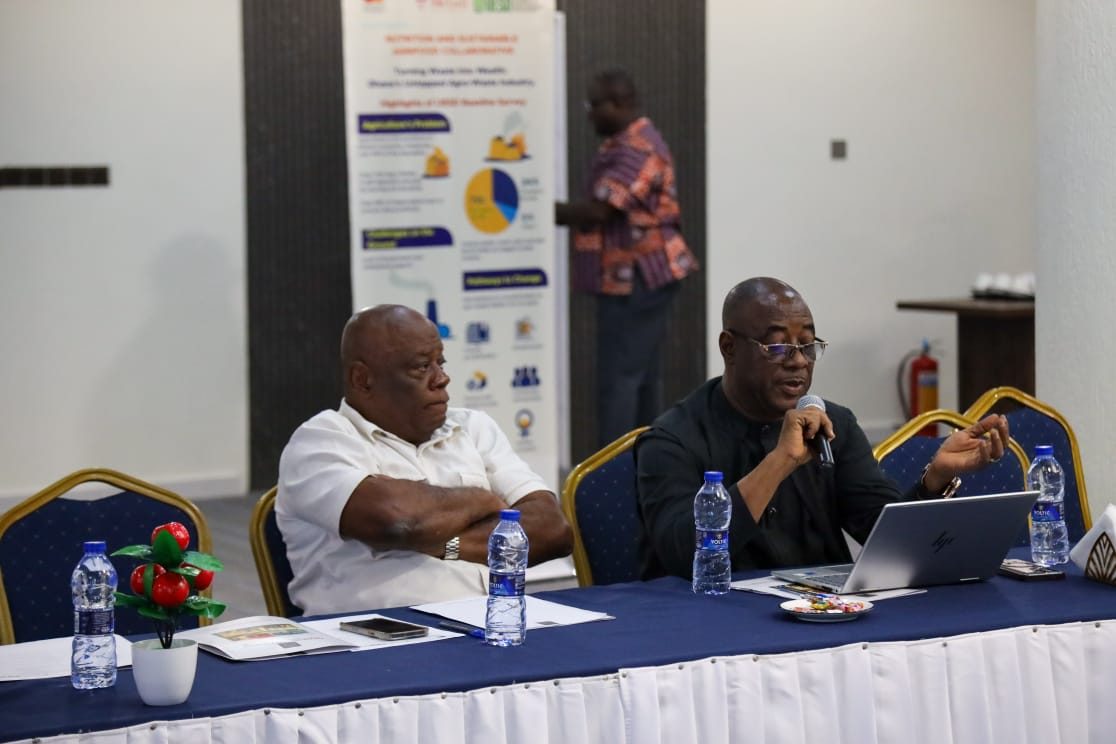
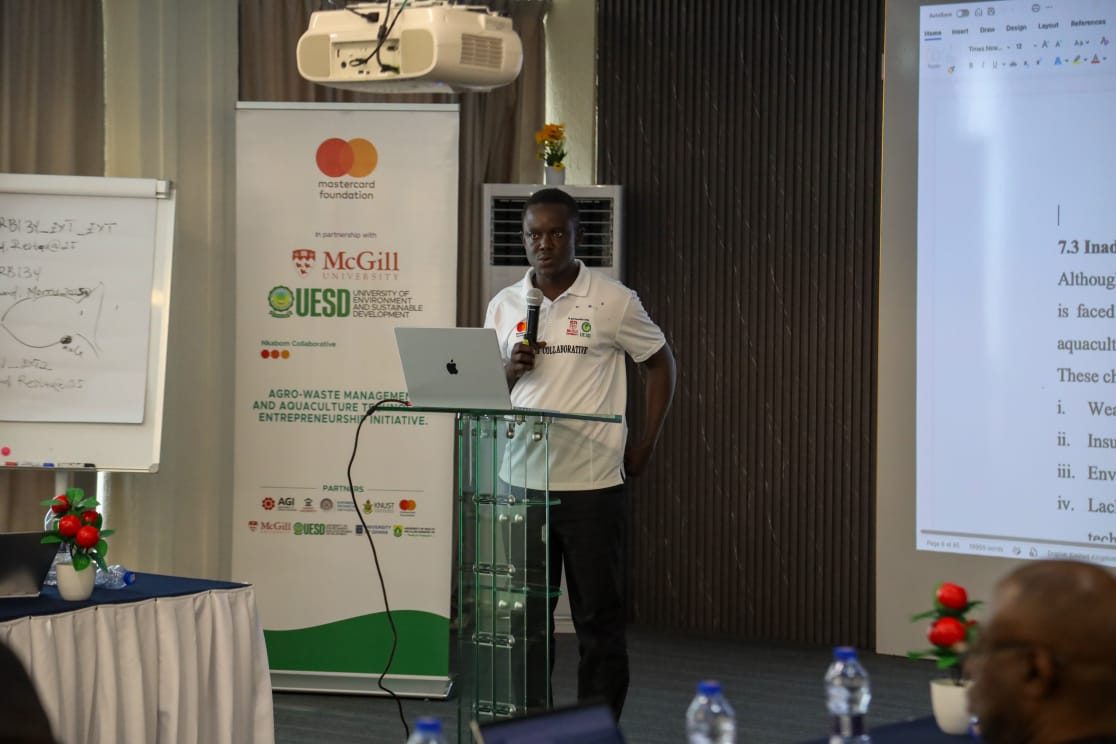
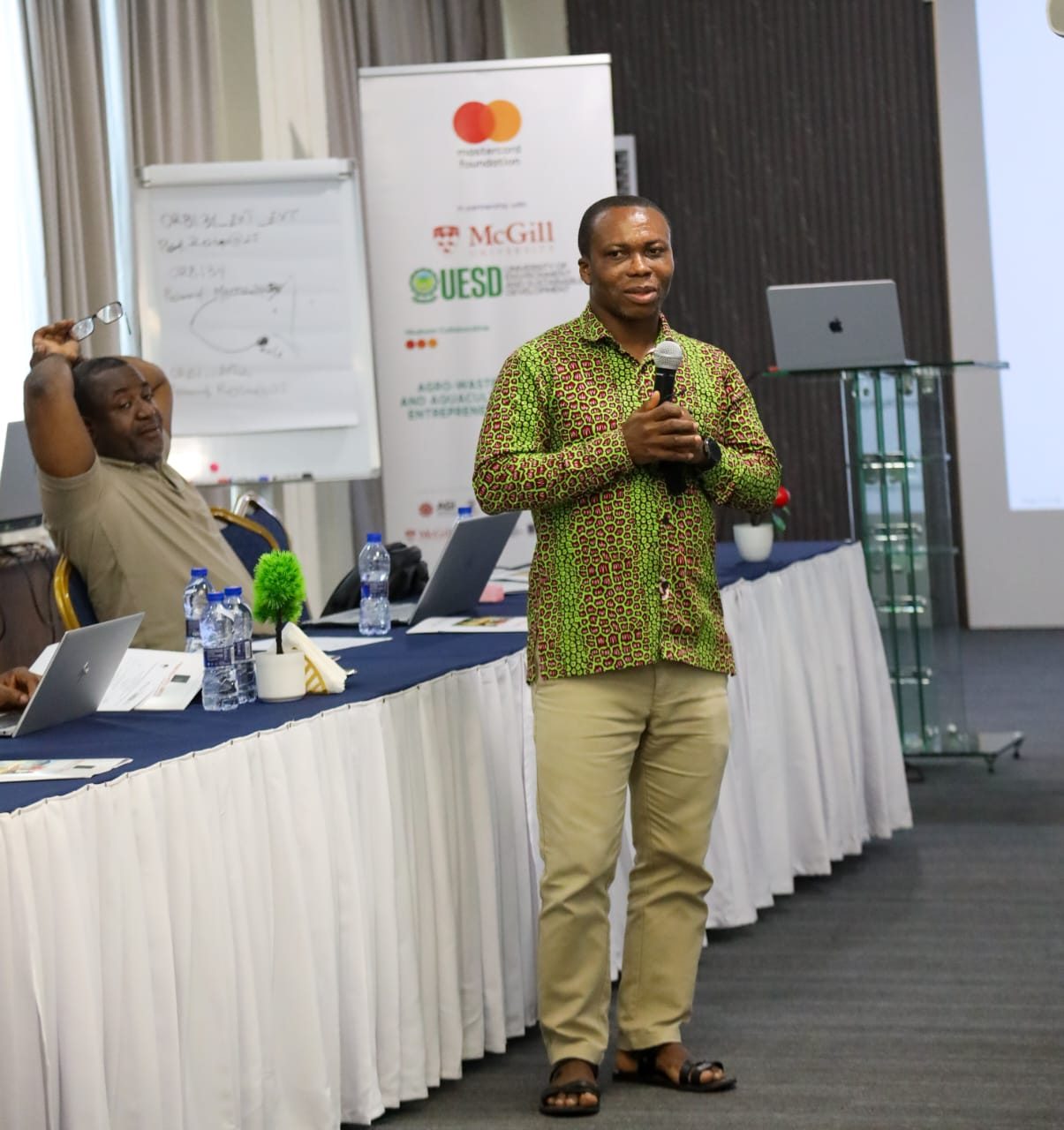
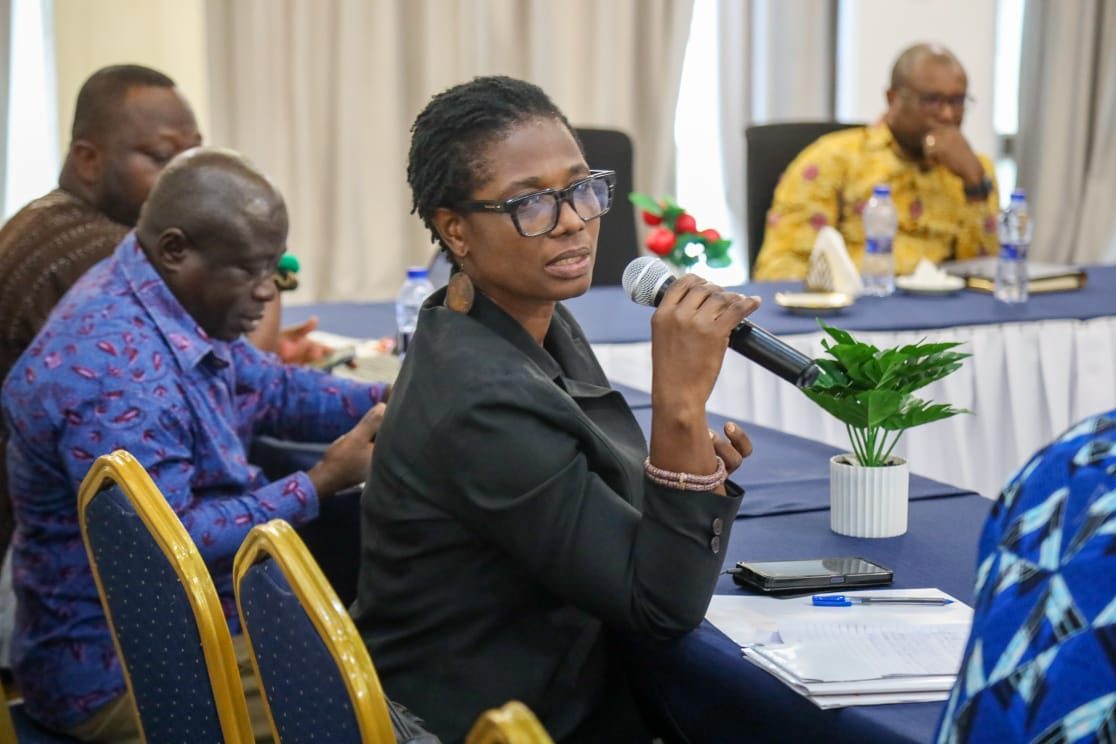
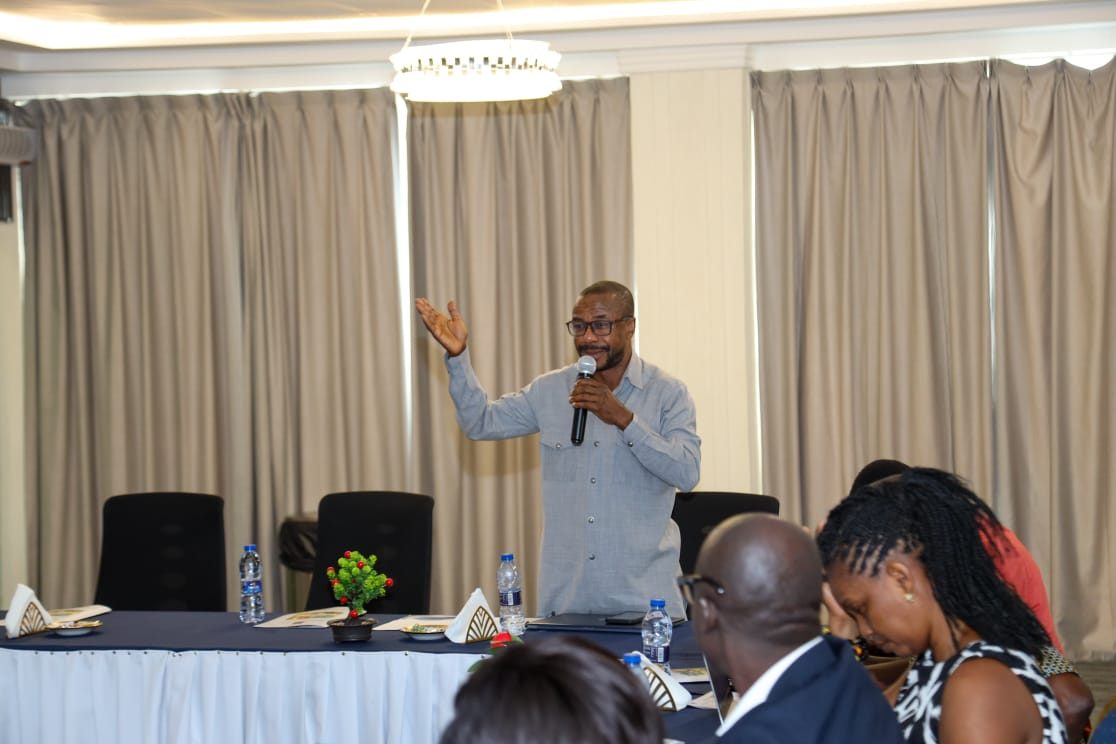
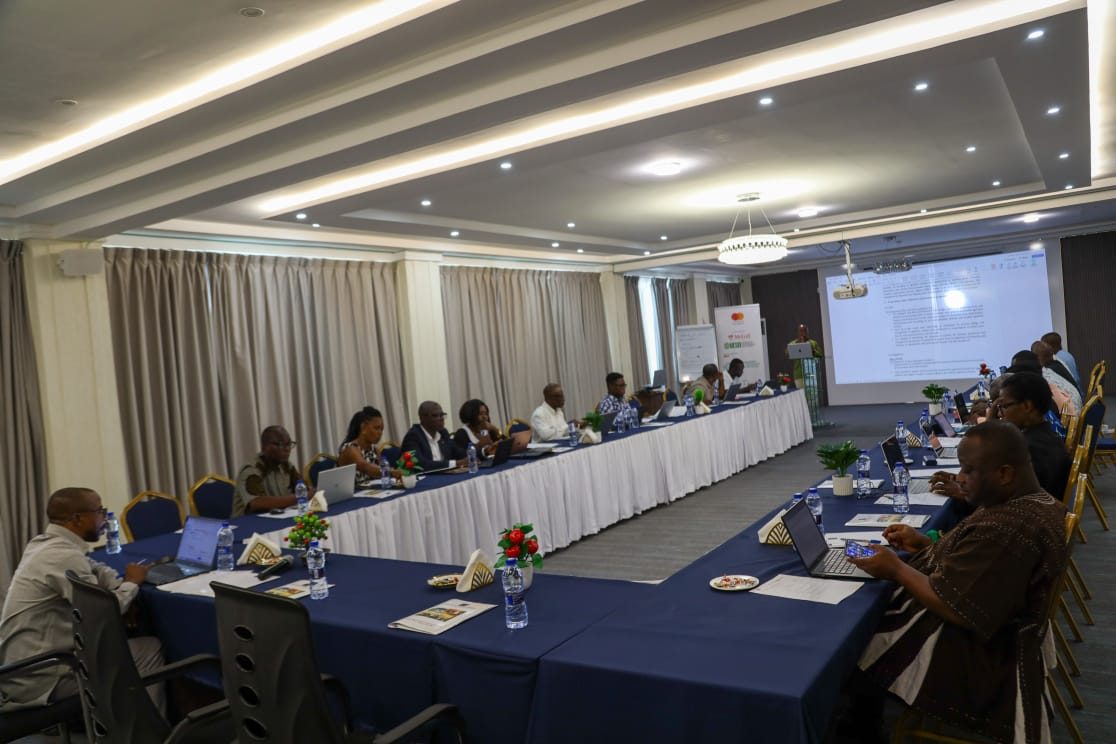
The proposed MSc/MPhil/PhD programmes in Agrifood Systems and Bioresources, Sustainable Acquaculture and Sustainable Blue Economy and Innovation, received stakeholder validation during a two-day consultation workshop held in Koforidua, the Eastern Regional capital.
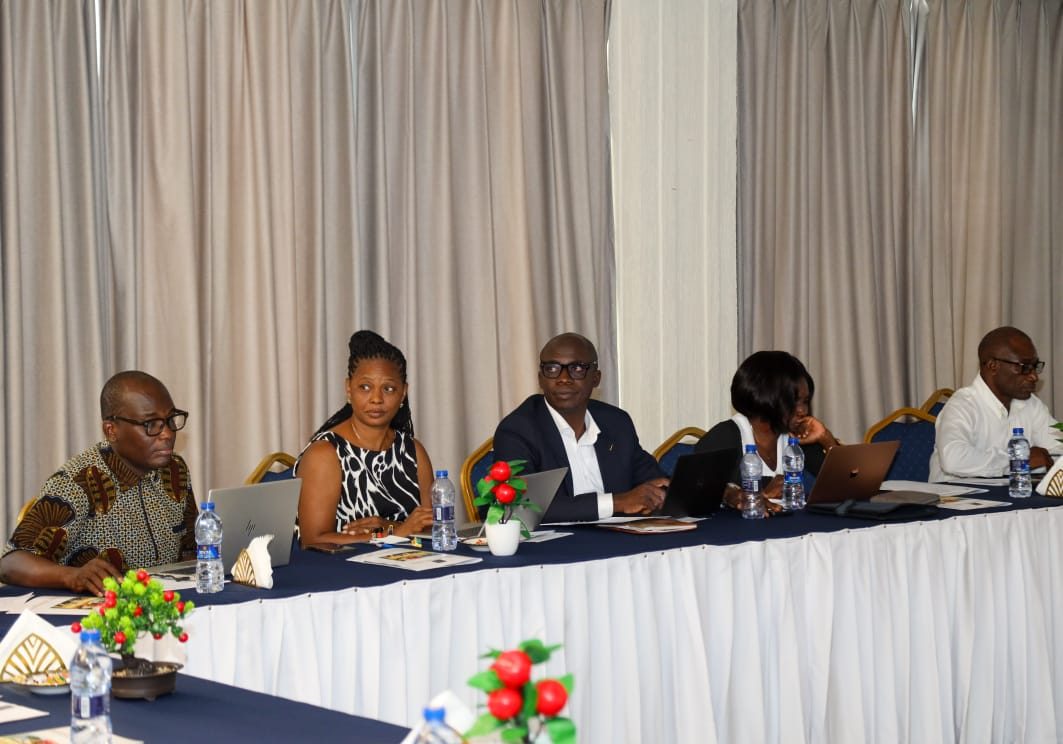
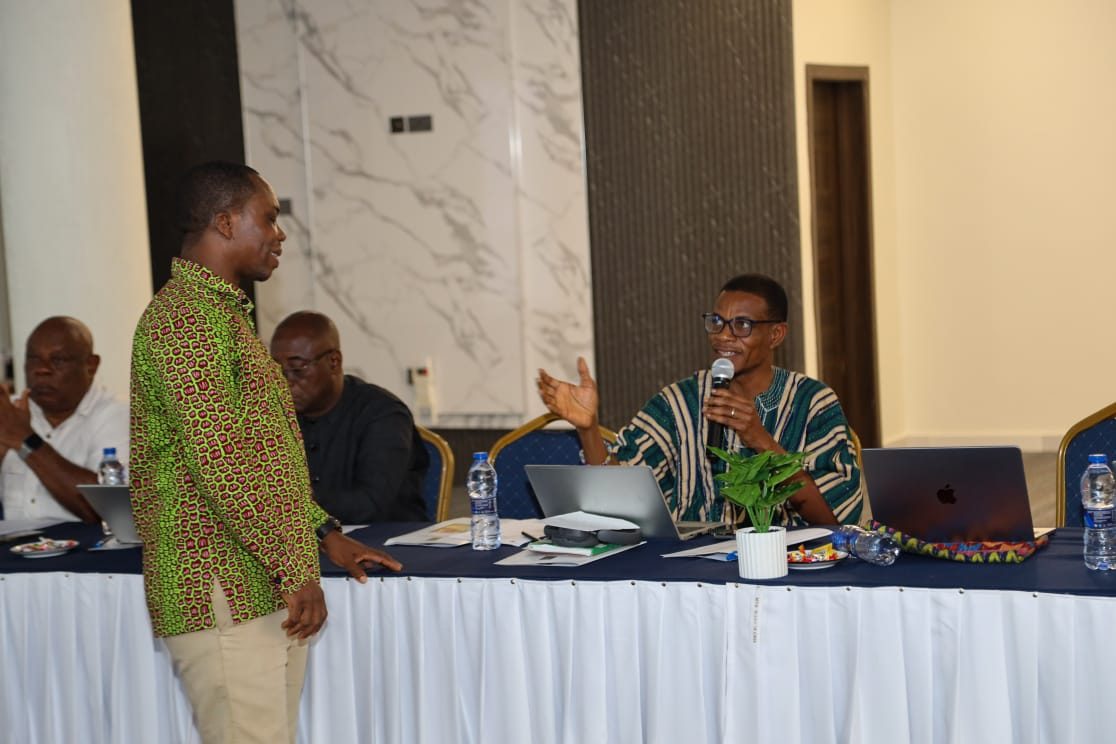
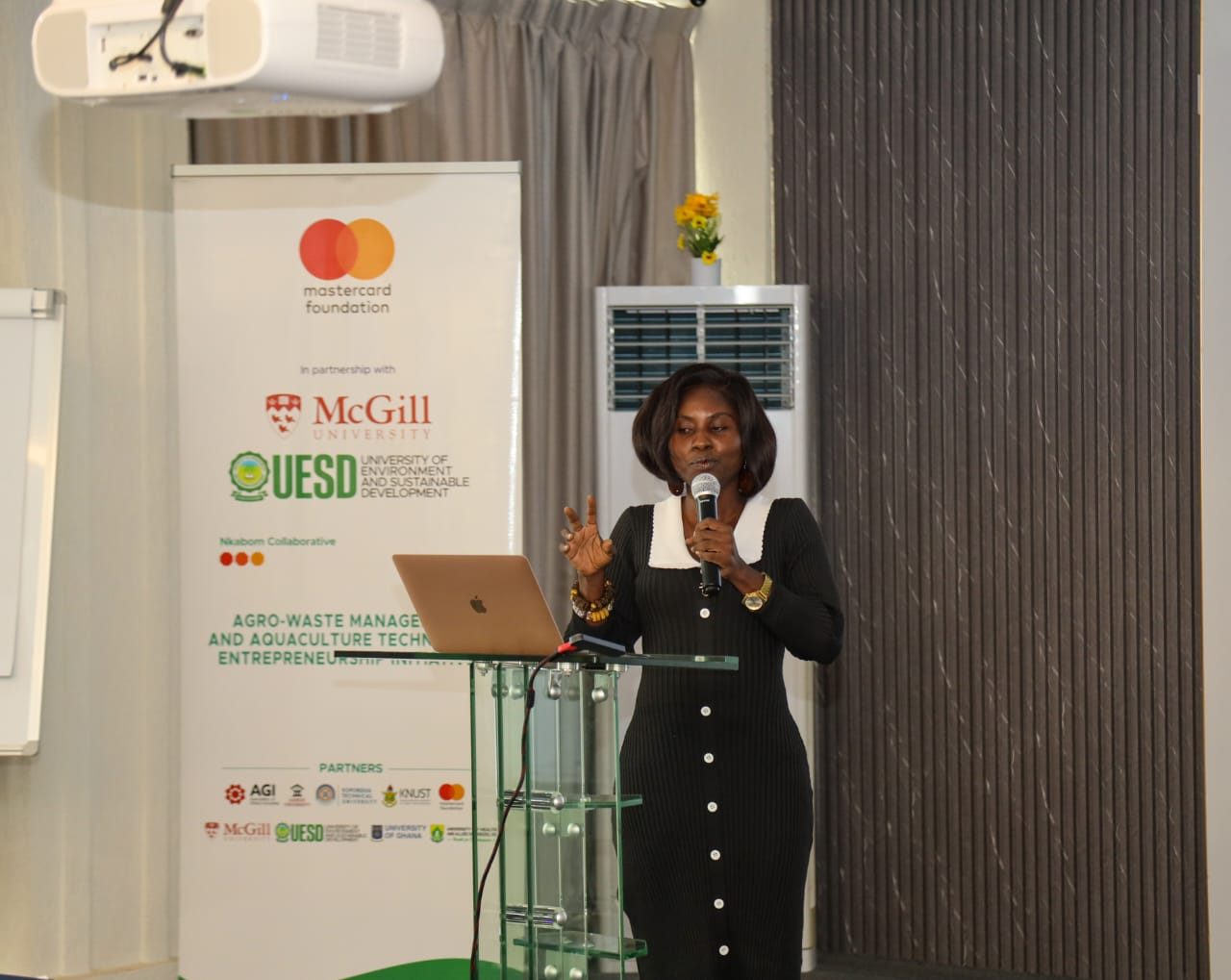
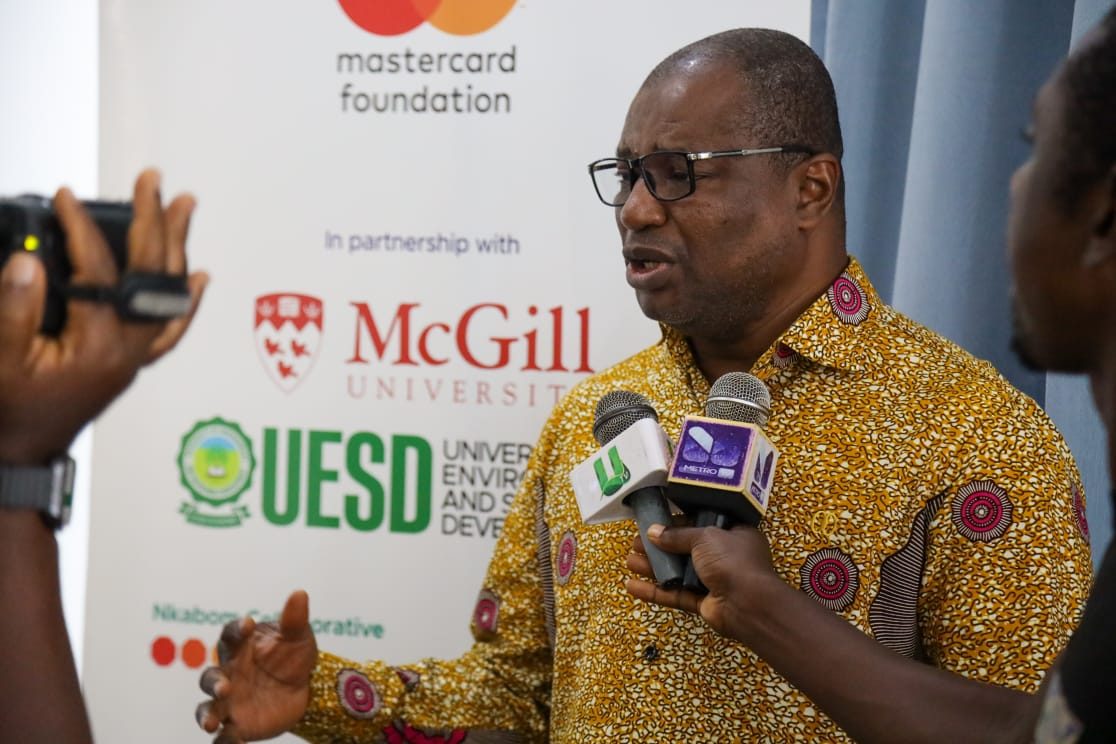
The programmes were initially developed during a curriculum design workshop in Ho, the Volta Regional capital, and were further refined through extensive technical reviews and recommendations from representatives of academia, government ministries, regulatory bodies, industry, development partners, traditional authorities and the private sector. Their collective expertise ensured that the curricula are aligned with Ghana’s development priorities, industry needs and the evolving demands of the labour market.
Participating institutions included the Ministry of Food and Agriculture (MoFA), the Environmental Protection Agency (EPA), the Ghana Standards Authority (GSA), the Blue Economy Secretariat, the Association of Ghana Industries (AGI), the National Fisheries Association of Ghana (NAFAG), the International Water Management Institute (IWMI), Hen Mpoano, the University of Cape Coast (UCC), and other strategic partners.
The outcome of the consultation were the enhancement of the Agri-Food Systems and Bioresources curriculum through the inclusion of stronger content in postharvest science, food systems, indigenous knowledge, agribusiness, marketing and cold-chain technologies, alongside expanded practical learning opportunities.
The Sustainable Blue Economy and Innovation programme was strengthened with the introduction of new courses in Blue Entrepreneur Venture Design, Digital Technology and Data Analytics, Sustainability Assessment, Standards and Blue Certification, and Advanced Blue Innovation Systems and Technology. Stakeholders also aligned the programme with Ghana’s National Blue Economy Strategy, the African Union Agenda 2063 and the United Nations Sustainable Development Goals.
For the Sustainable Aquaculture and Biotechnology programme, participants recommended the incorporation of emerging areas such as Aquaculture Engineering, Artificial Intelligence in Aquaculture, Fish Innovation and Technology, Circular Economy in Aquaculture and modern postharvest technologies to better prepare graduates for the rapidly expanding aquaculture industry.
Stakeholders further agreed that all three programmes should place greater emphasis on entrepreneurship, innovation, experiential learning, collaborative research, technology transfer, gender inclusion and indigenous knowledge systems. They also underscored the importance of strengthening partnerships between academia and industry through internships and mentorship to ensure graduates acquire practical competencies alongside academic excellence.
Speaking at the closing session, the Project Coordinator of the Nkabom Collaborative-UESD, Prof. Edward Wiafe Debrah, expressed appreciation to stakeholders for their invaluable contributions, describing the programmes as the product of a truly collaborative process. He noted that the active participation of industry experts, government institutions and academia had transformed the curricula into programmes that are relevant, future-focused and capable of responding to Ghana’s development needs.
The validated programme documents will undergo final editorial revisions before being submitted through the University’s governance structures to the Ghana Tertiary Education Commission (GTEC) for accreditation.