
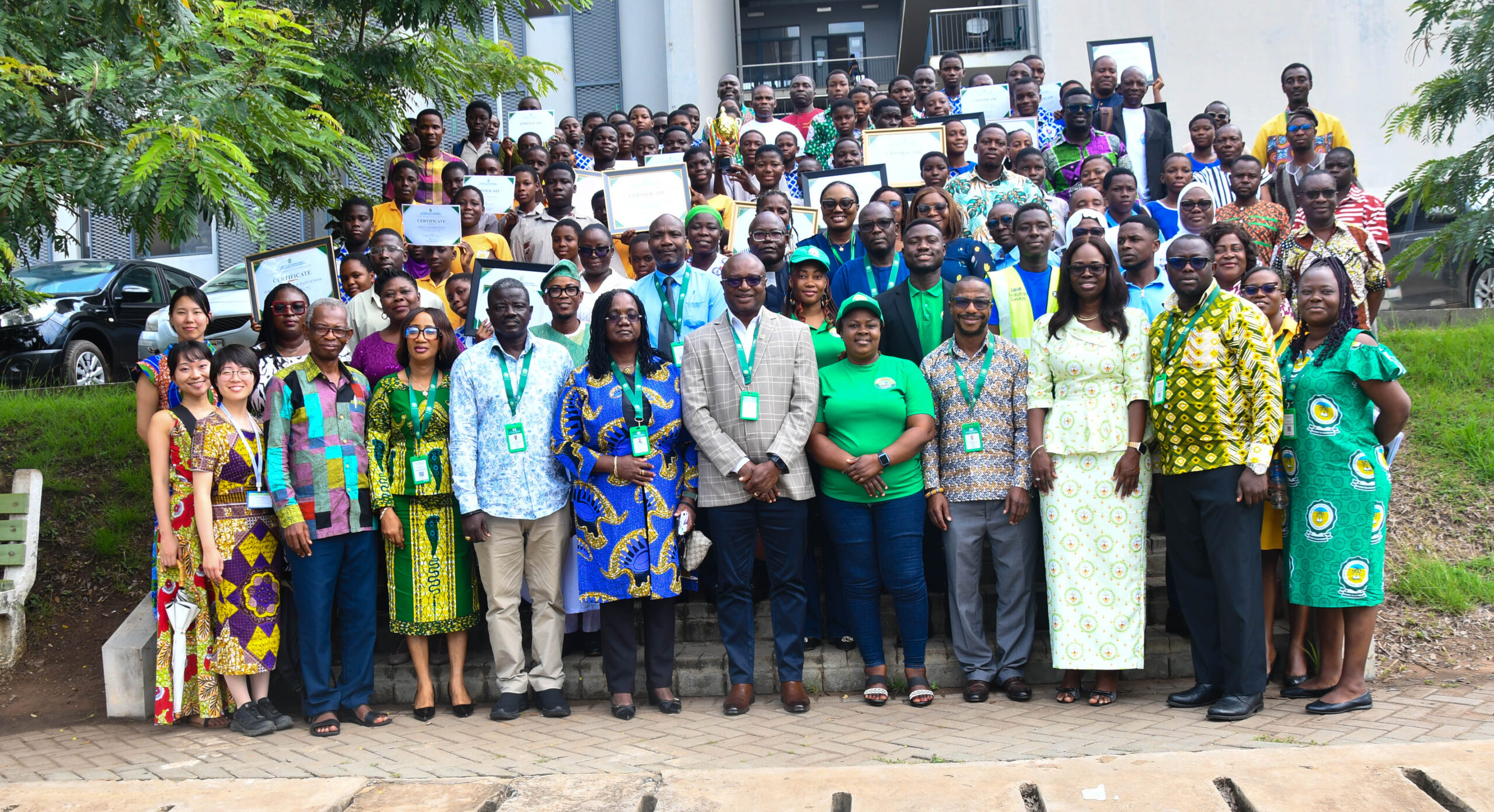
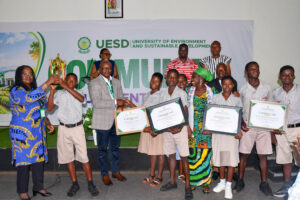
Abrewankor MA Basic School has won the 2026 University of Environment and Sustainable Development (UESD), Community Development Challenge (CDC) Awards, scoring 85 points in the school-based organic gardening competition.
The school, located in Abrewankor, a farming community along the Koforidua-Somanya Road in the Yilo Krobo Municipality, received a tricycle, two cutlasses, two shovels and a framed A3 certificate at the awards ceremony held at the Auditorium, Multipurpose Building of the University.

Asokore Methodist JHS placed second with 78 points, followed by Akuse Presby JHS with 77 points. Aburi Presby ‘B’ JHS came fourth with 76 points, while Koforidua Presby ‘E’ Basic School placed fifth with 71 points. The four runner-up schools received assorted farming tools and equipment, including wheelbarrows, cutlasses, gloves, shovels, hoes, and framed certificates.
The 2026 Challenge was held on the theme, “Promoting Food Security and Climate-Smart Agriculture through Sustainable School-Based Organic Gardening in Ghana,” and coordinated by the Community Engagement and Projects Innovations Unit (CEPIU) under the Office of the Vice-Chancellor.

The annual flagship initiative encourages schoolchildren to identify challenges in their communities and develop practical, innovative, and sustainable solutions. For this year’s challenge, the project was on gardening. Thirty basic schools in the Eastern Region participated in the initial stage of the challenge, with 28 completing it. Participating schools received selected crops to cultivate and maintain over three to six months. A team of experts monitored and assessed the gardens from land preparation to harvesting, evaluating farm layout, soil fertility management, crop quality and health, organic farming practices, weed, pest and disease management, creativity, innovation and teamwork.
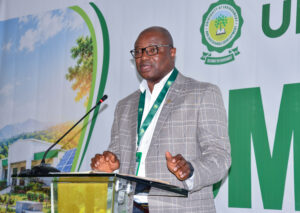
Addressing the gathering, the Vice-Chancellor, Professor Eric Nyarko-Sampson, commended the participating schools, teachers, pupils and CEPIU for their contributions to the successful implementation of the challenge. He applauded the pupils’ commitment to organic gardening and acknowledged the technical team’s efforts in monitoring the gardens and providing guidance throughout the competition.
Professor Nyarko-Sampson encouraged them to apply the knowledge and skills acquired in their homes and communities by promoting organic farming, environmental protection, and food waste reduction. He reaffirmed the University’s commitment to providing the guidance and technical expertise needed to sustain their interest in sustainable agriculture and food production. He expressed appreciation to the individuals and institutions that supported the initiative, describing the challenge as an investment in the future of the pupils and their communities.
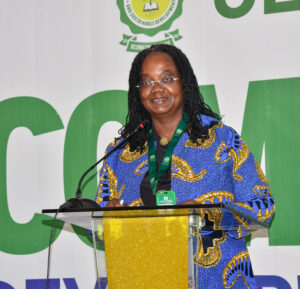
The Registrar, Mrs Mary Abena Agyepong, congratulated the participating schools and pupils on their achievements, commending their innovation, teamwork, resilience and commitment to organic farming and environmental sustainability. She also acknowledged the contribution of teachers in guiding the pupils and encouraged participants to apply the lessons learnt to address challenges in their communities. Mrs Agyepong reaffirmed UESD’s commitment to nurturing young leaders and promoting sustainable development through practical, community-centered initiatives.
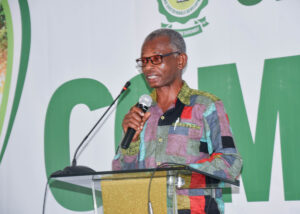
The Eastern Regional School Health Education Programme (SHEP) Coordinator of the Ghana Education Service, Mr Godfried Ofoe Caesar, commended UESD for promoting organic gardening, sustainable agriculture and environmental protection. He urged the pupils to share the knowledge acquired beyond the competition to benefit their schools and communities and reaffirmed the Education Service’s commitment to supporting environmental education and sustainability initiatives.
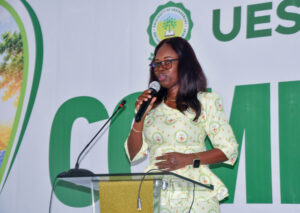
Goodwill messages were delivered by some sponsors of the awards, including Madam Maria Bankas Abalo of the Kofi Tawiah Foundation, Mr Jerome Gabada of Jonah Farms, Mr Abdul Razak of Zoomlion Ghana, and Nene Adema Kwesi, Chief of the Korm Traditional Area. The speakers underscored the importance of organic farming and encouraged communities to embrace sustainable agricultural practices that protect the environment and promote the production of safe and healthy food. They also expressed interest in exploring potential collaborations with UESD to advance environmental sustainability.
Also present at the ceremony were, the Pro-Vice-Chancellor, Professor Edward Wiafe Debrah; Dean of the School of Natural and Environmental Sciences (SNESS), Professor Shine Francis Gbedemah; Deputy Registrar, Dr Hammond Oppong Kwarteng; Director of the Internal Audit Directorate, Ms Joyce Anastasia Sam; Director of the Directorate of Information Technology Services and Systems (DITSO), Dr Emmanuel Kitcher; representatives of the Korm Traditional Area, including Nene Adema Kwesi and Maa Grace Narkie Teye; and members of the University community, alongside teachers and pupils from participating schools.