
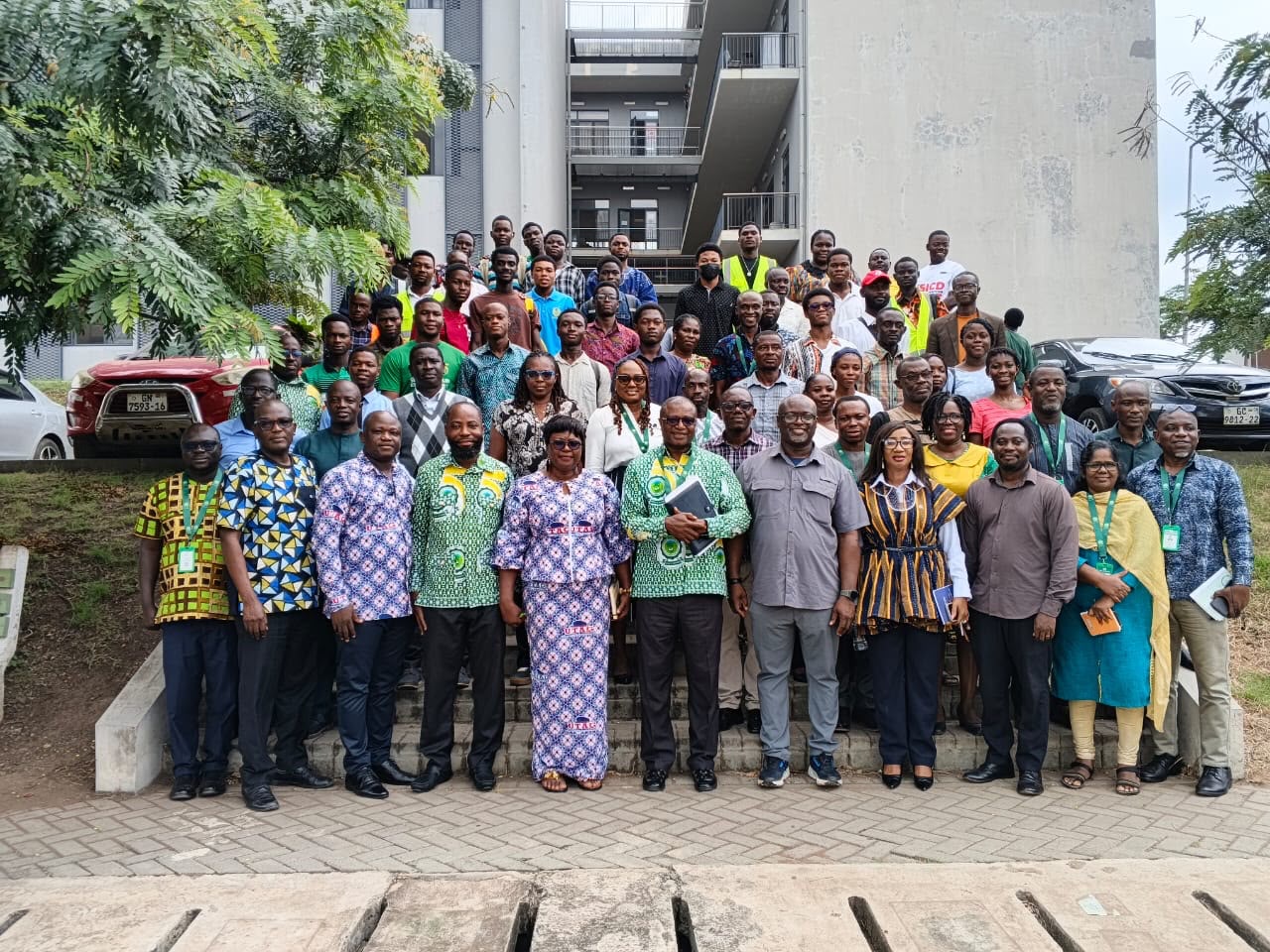
The University of Environment and Sustainable Development (UESD), Somanya, Eastern Region, has reaffirmed its commitment to advancing research excellence by hosting a thought-provoking lecture on emerging research methodologies delivered by Professor Martin Morgan Tuuli of Loughborough University, United Kingdom. The lecture, which coincided with the sixth anniversary of UESD, brought together faculty, researchers, and students to explore innovative approaches that are reshaping academic inquiry and evidence-based decision-making. It was organised by the School of Sustainable Development Seminar Committee in collaboration with the Department of Built Environment.
Speaking on the topic, “Necessary Condition Analysis (NCA), Triple Dividends Quantification (TDQ) and the Critical Incident Technique (CIT): Illustration of Novel Methods in Construction Management Research,” Professor Tuuli challenged researchers to move beyond conventional methods and adopt research approaches that are better suited to addressing complex development problems.


Professor Tuuli, a renowned Behavioural Project Management expert, is Professor of Operations and Project Management and Director of Academic Staffing (Vice Dean) at Loughborough Business School, United Kingdom.
Professor Tuuli underscored the central role of research in driving national development, stressing that meaningful solutions to societal challenges depend on rigorous evidence. He advised researchers to allow their research questions-not familiarity with a particular methodology-to determine the methods they employ.
One of the major highlights of the lecture was his presentation on Necessary Condition Analysis (NCA), an emerging methodology for identifying conditions indispensable to achieving a desired outcome. Unlike traditional statistical techniques that examine relationships between variables, NCA determines the minimum conditions required for success. Using practical examples from education, organisational performance and construction management, he demonstrated how the method helps researchers identify critical success factors that may otherwise be overlooked.
Another highlight was his discussion on Triple Dividends Quantification (TDQ), a framework developed to assess the full value of climate adaptation and resilience investments. Professor Tuuli explained that traditional cost-benefit analyses often fail to capture the long-term benefits of resilience projects. Using Ghana’s Greater Accra Resilient and Integrated Development (GARID) Project as an illustration, he showed how TDQ measures avoided disaster losses, induced economic development, and broader environmental and social benefits, demonstrating that resilience investments often generate returns far beyond their financial costs.
Professor Tuuli also introduced participants to the Critical Incident Technique (CIT), a qualitative research method that collects detailed accounts of participants’ lived experiences rather than relying on direct questioning. He explained that the approach enables researchers to obtain richer, more authentic insights into human behaviour, decision-making and organisational practices while reducing socially desirable responses.
Professor Tuuli emphasised that no research method is inherently superior to another. Instead, he encouraged researchers to remain open to innovative methodologies and to select approaches that best address their research objectives. He stressed that robust methodologies, combined with quality data and sound measurement, are essential for producing credible, impactful and policy-relevant research.
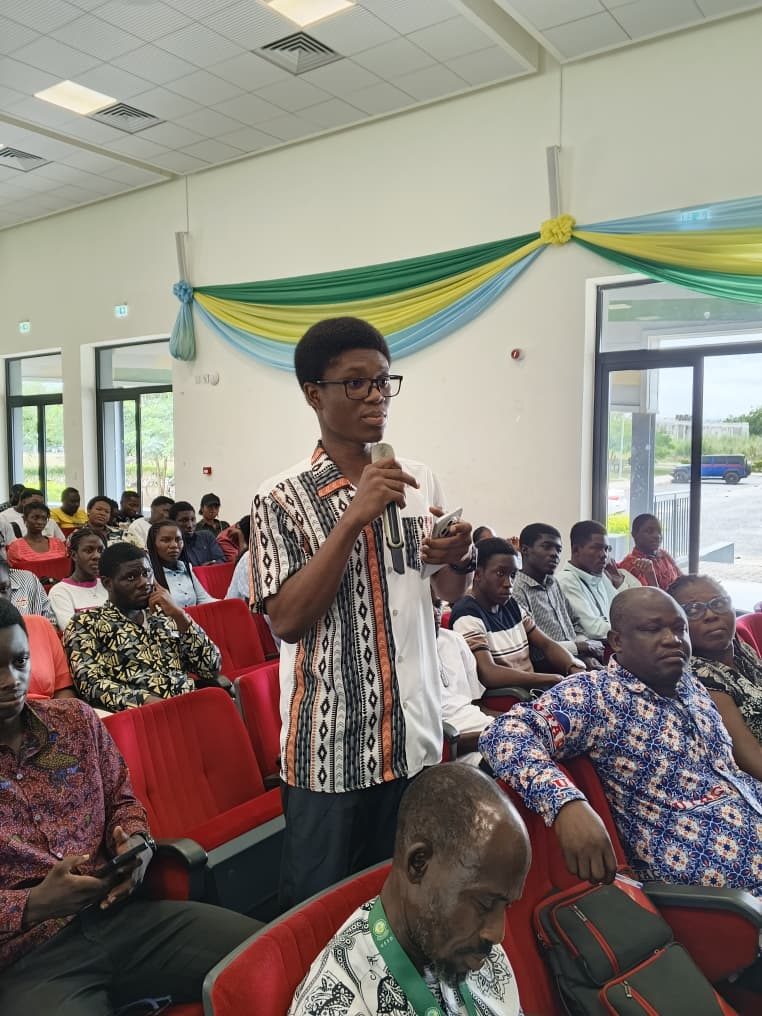
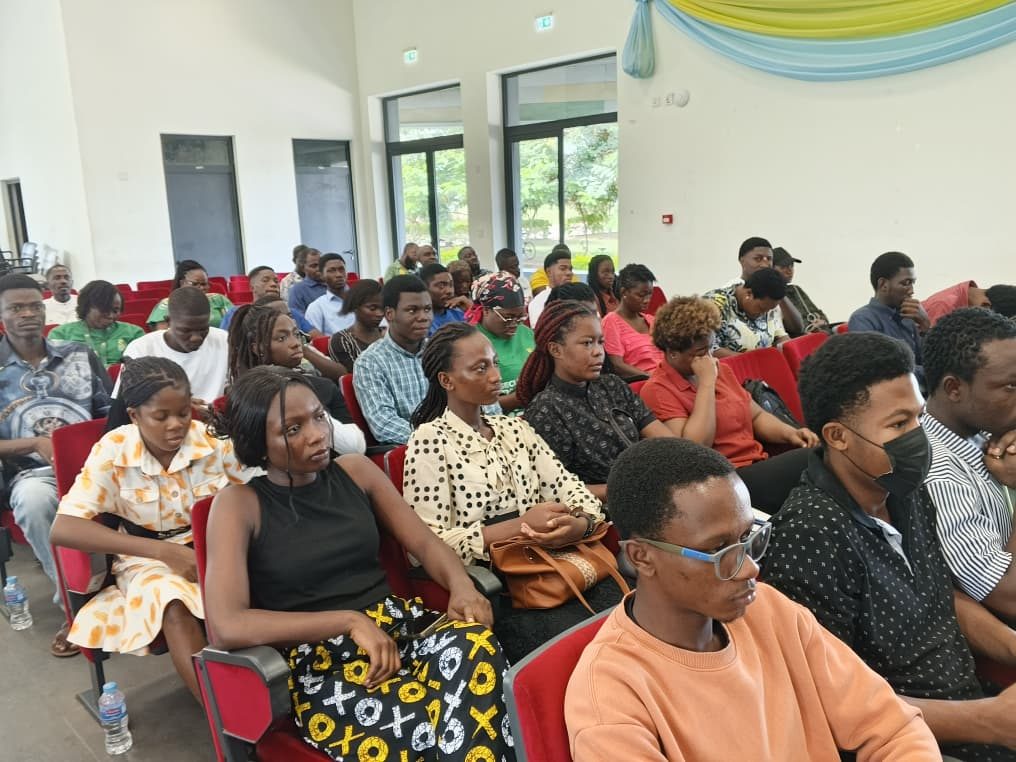
The lecture concluded with an engaging interactive session during which participants sought clarification on the practical application of the three methodologies. Discussions centred on the complementarity of NCA and conventional statistical methods, the assumptions underpinning the Critical Incident Technique, and the application of the Triple Dividends Quantification framework in evaluating development interventions.
The Vice-Chancellor of UESD, Professor Eric Nyarko Sampson, who chaired the lecture, noted that Professor Tuuli’s visit to Ghana presented an opportunity for the UESD academic community to benefit from the expertise of an internationally respected scholar. He reaffirmed the University’s commitment to strengthening research through collaboration with leading academics across the world.