
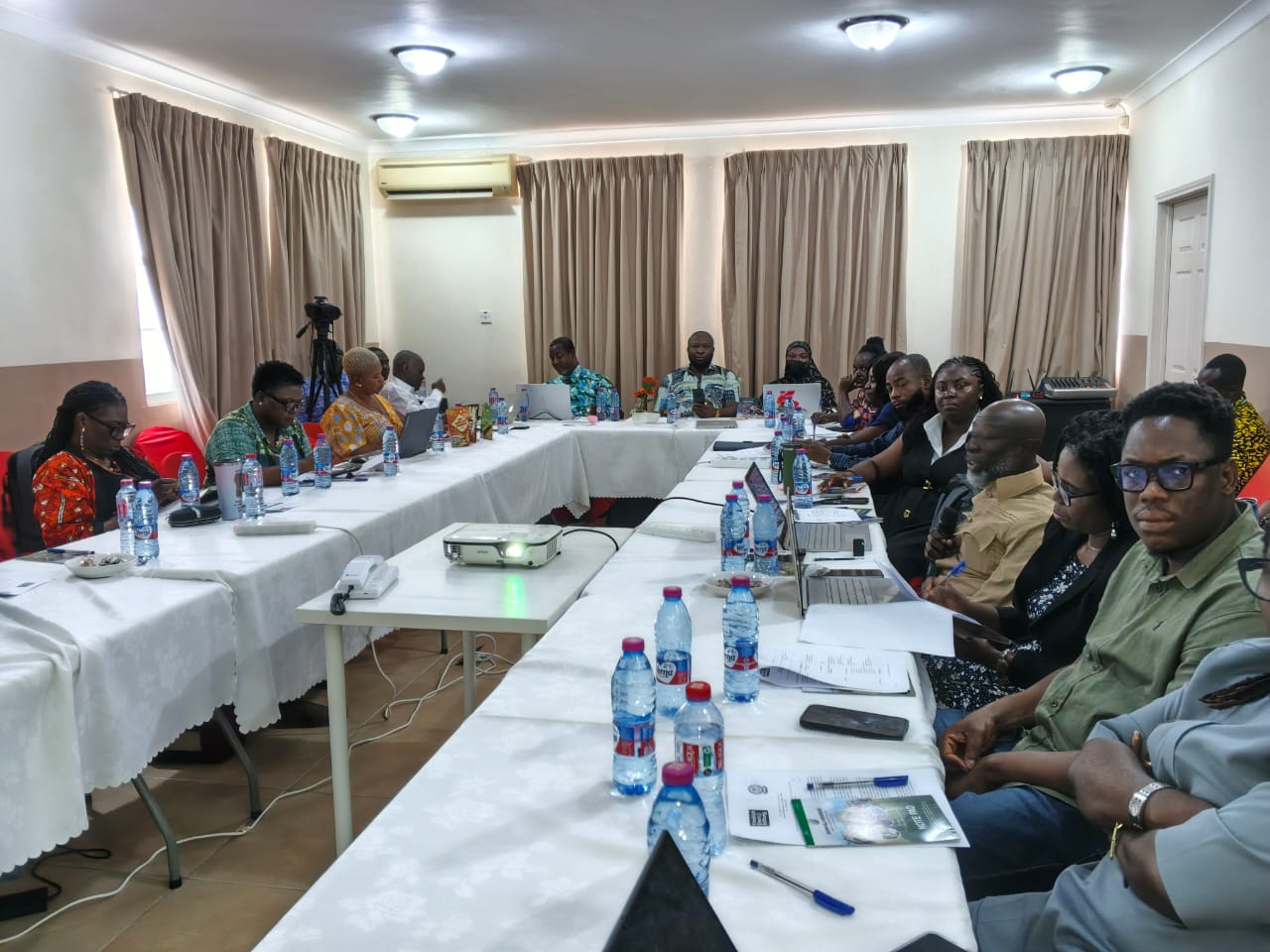
The University of Environment and Sustainable Development (UESD), Somanya, Eastern Region in partnership with the Friedrich-Ebert-Stiftung (FES) Economic Policy Competence Centre, has intensified national conversations on one of Ghana’s most pressing development challenges by convening leading policymakers, scientists, development practitioners, environmental advocates and governance experts at the 2026 UESD-FES Stakeholder Conference.
The two-day conference on: “Almasy, Environmental Contamination and Food Poisoning in Ghana: A Multi-Stakeholder Perspective,” held at Peduase-Aburi in the Eastern Region, moved beyond diagnosing Ghana’s illegal mining crisis to identifying practical, evidence-based pathways for restoring degraded ecosystems, protecting public health and strengthening food security.
The conference demonstrated UESD’s growing role as a national convener of knowledge, bringing together diverse voices to bridge scientific research, public policy and community action at a time when environmental degradation poses an unprecedented threat to Ghana’s sustainable development.
UESD Calls for Science to Drive National Action
In the Vice-Chancellor’s address, Prof. Eric Nyarko-Sampson, through Prof. Felicia Annin, Head of Research and Innovations Unit, he described galamsey as one of Ghana’s most urgent environmental, public health and socio-economic emergencies. He observed that contamination of soils, rivers, crops and aquatic ecosystems has reached alarming proportions, demanding coordinated action that combines scientific research, sound public policy and effective governance.
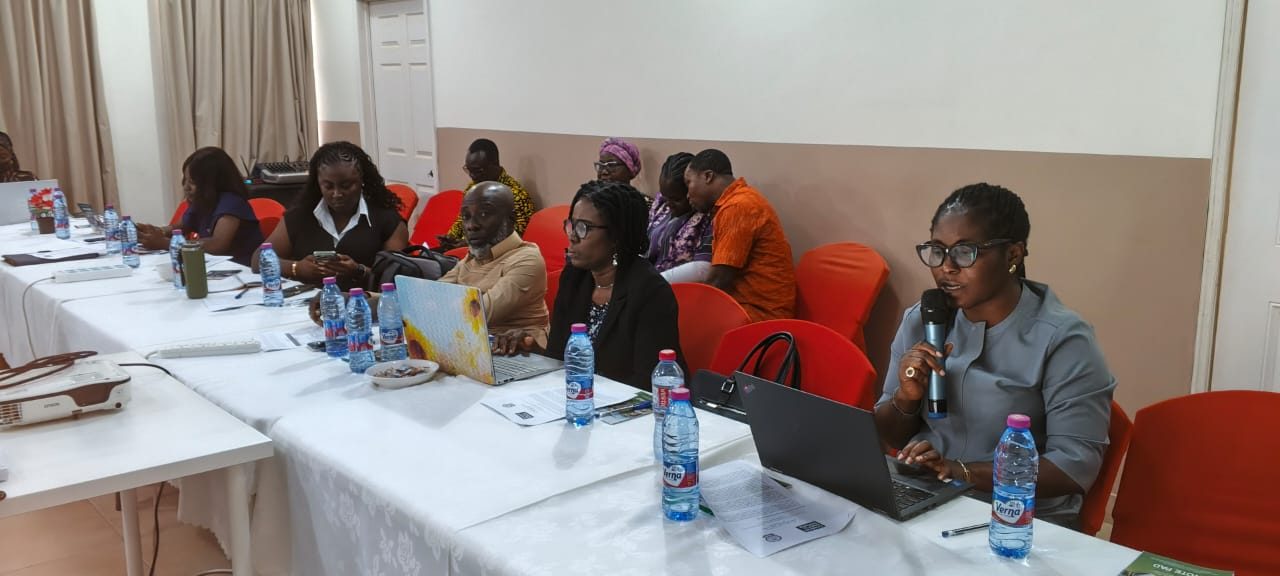
The Vice-Chancellor emphasised that Universities must play a central role in generating evidence, informing policy and developing innovative solutions capable of restoring ecosystems while protecting livelihoods. He therefore called for stronger collaboration among government institutions, academia, researchers, civil society organisations, traditional authorities, development partners and local communities to develop practical, science-based interventions that balance environmental restoration with inclusive economic development.
Ms Eunice Asiedu of FES noted that the consequence of galamsey is now being felt in virtually every Ghanaian household through contaminated food, polluted water and growing public health concerns. She challenged participants to engage in frank, objective and solution-oriented dialogue capable of producing credible recommendations that can influence national policy and improve environmental governance.
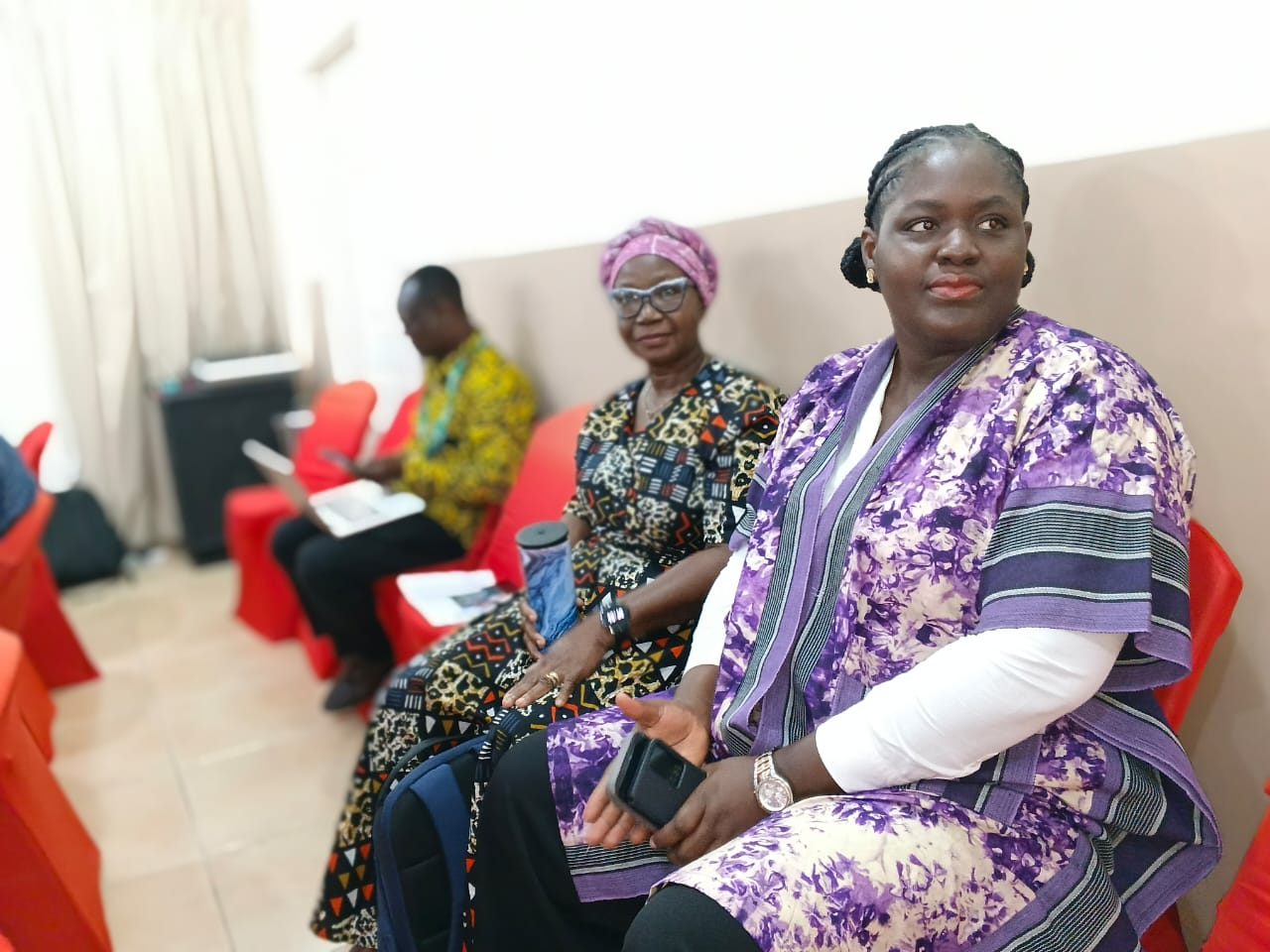
Addresses:
Delivering the Keynote address, the Dean of the School of Sustainable Development, Prof. Anthony Amoah, presented a nuanced analysis of artisanal and small-scale mining (ASM), acknowledging its significant contribution to employment, poverty reduction and Ghana’s gold economy while cautioning against the devastating consequences of unregulated galamsey activities.
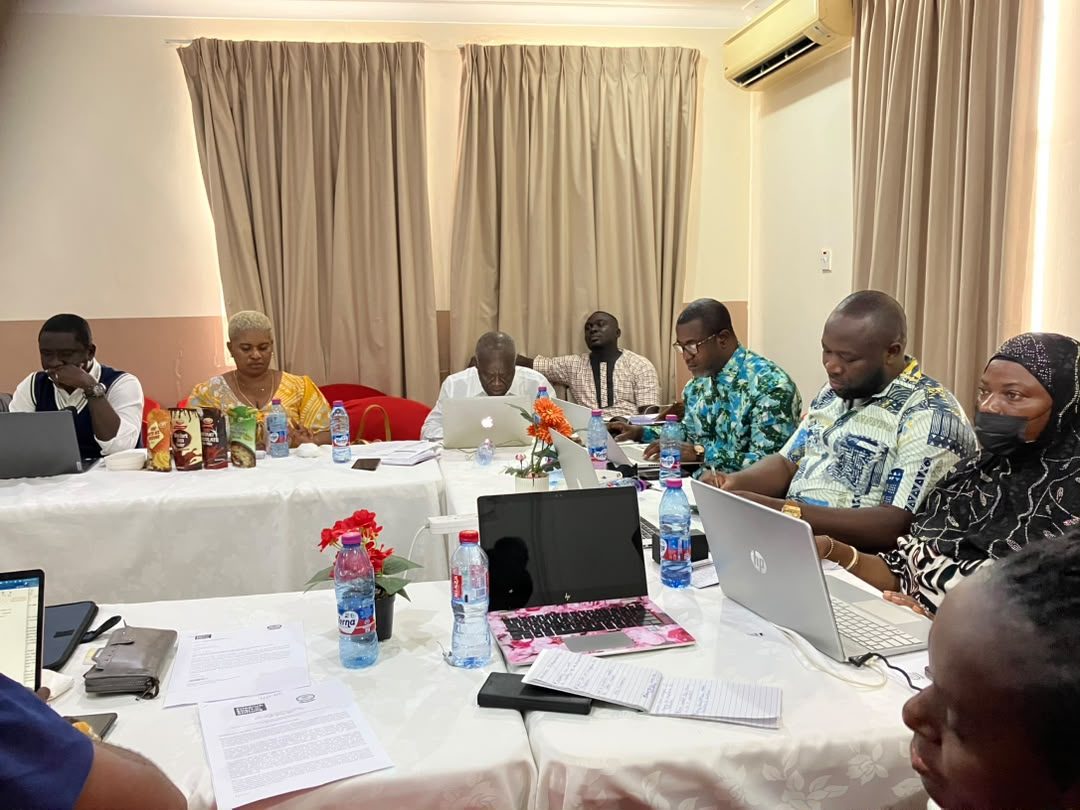
He argued that decades of policy interventions have largely failed because they focused primarily on enforcement without adequately addressing the economic realities that drive illegal mining.To bridge this gap, Prof. Amoah introduced the Integrated Sustainability Action (ISA) Model-an innovative governance framework that seeks to reconcile environmental protection with economic livelihoods.
The model proposes formalising local miners into cooperatives, restricting foreign participation in small-scale mining, assigning clear responsibilities for land reclamation and strengthening monitoring, accountability and enforcement mechanisms.
Rather than viewing enforcement and livelihoods as competing priorities, the ISA Model presents an integrated approach capable of advancing environmental sustainability, food security and inclusive economic development simultaneously.The model generated considerable interest among participants and emerged as one of the conference’s most significant policy contributions.
Scientific Evidence Strengthens Calls for Urgent Action
Adding scientific depth to the discussions, Mr Sadick Adams, Senior Research Scientist at the Council for Scientific and Industrial Research (CSIR), presented compelling evidence on the accumulation of heavy metals in soils, water bodies, crops and aquatic ecosystems. It demonstrated how contaminants associated with illegal mining are entering food chains and posing serious health risks through prolonged human exposure. Mr Adams underscored the need for continuous environmental monitoring, stronger scientific research and evidence-informed policymaking to prevent further deterioration of Ghana’s natural resources.
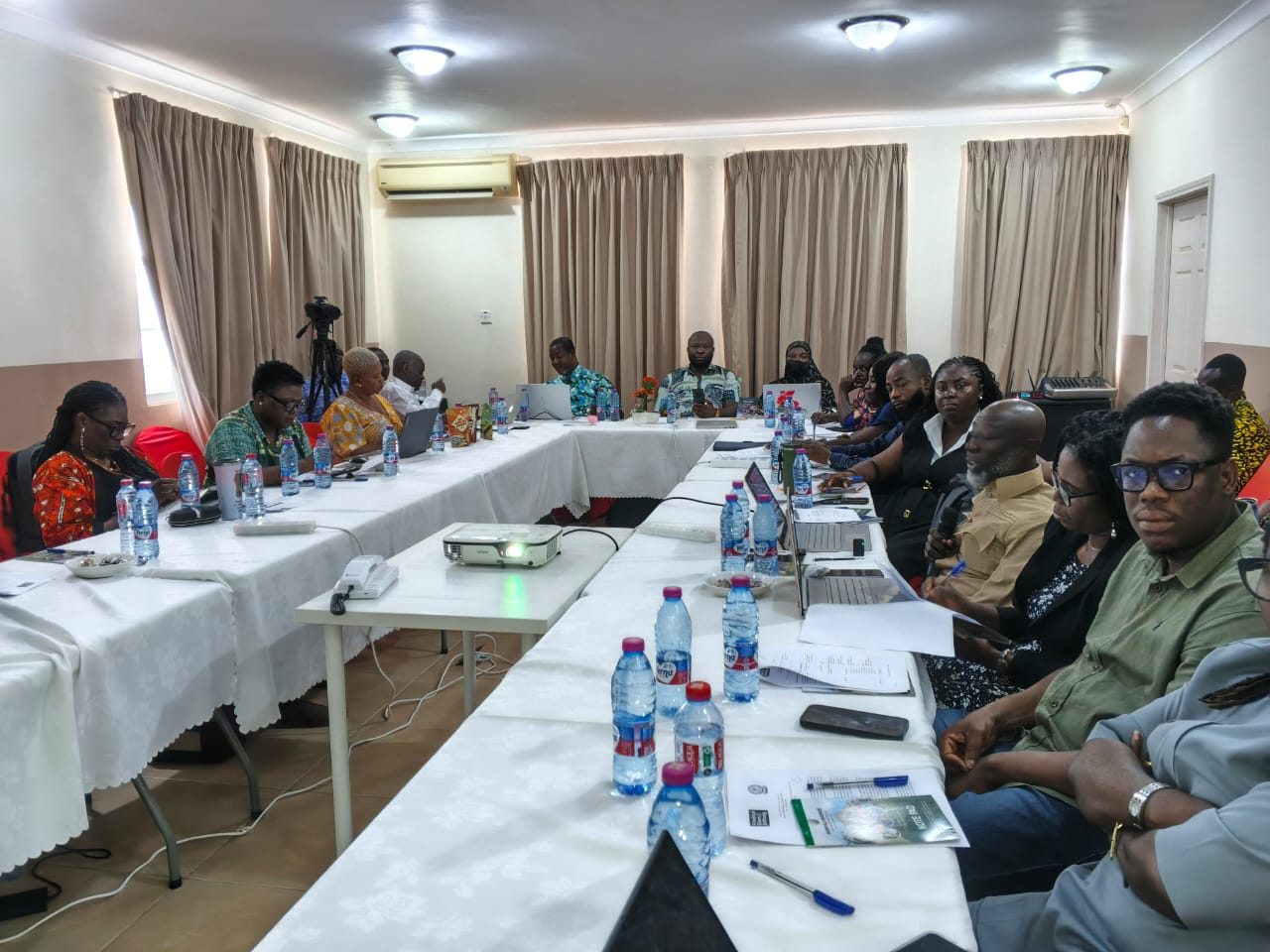
Complementing these findings, Prof. Gibrilla Abass, a faculty member at the Department of Water Resources and Aquaculture Management, called for a collective and multi-sectoral approach to address the environmental and public health impacts of illegal mining (galamsey) in Ghana. Speaking on the theme “Galamsey, Environmental Contamination and Food Poisoning in Ghana: A Multi-Perspective Approach,” Prof. Abass highlighted the effects of mining activities on water bodies, forests, agricultural lands, and food safety, noting that toxic contaminants pose serious risks to human health.
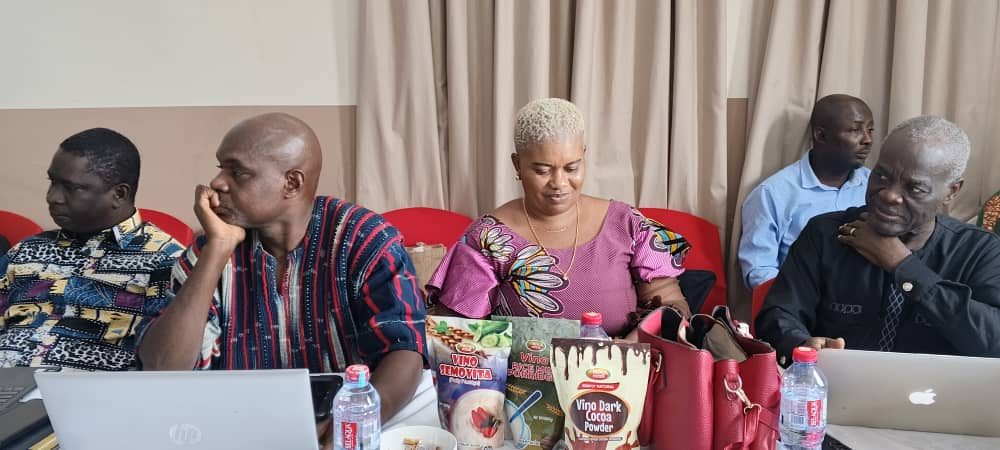
He also noted the interconnected impacts of illegal mining on water resources, fisheries, forests, agriculture and public health. He advocated stronger investment in research, innovation, environmental restoration and sustainable mining practices while urging all sectors of society to assume shared responsibility for safeguarding Ghana’s natural resources.
One of the conference’s defining outcomes was the broad consensus that Ghana possesses adequate laws and institutions to regulate mining activities, but continues to struggle with implementation. Participants observed that weak enforcement, fragmented institutional coordination, political interference and limited accountability remain major barriers to addressing illegal mining effectively. Discussions further underscored that galamsey has evolved into an extensive economic ecosystem supporting numerous livelihoods beyond miners themselves, making simplistic enforcement strategies unlikely to succeed. Participants therefore stressed that sustainable solutions must combine behavioural change, alternative livelihood opportunities, stronger institutional collaboration, community ownership and effective law enforcement. They also agreed that environmental stewardship must become a shared national responsibility rather than the sole obligation of regulatory agencies.
Governance, Leadership and Accountability at the Centre
A panel discussion moderated by Prof. Michael Tuffuor, Head of Department of Sustainable Development and Policy, examined the governance architecture underpinning Ghana’s fight against illegal mining. It featured Mr Tweneboah Koduah of the National Development Planning Commission, Ms Winner Wendy Anane of A Rocha Ghana and Dr Theodora Akweley Asiamah of UESD. The panel concluded that Ghana’s challenge lies less in policy formulation than in consistent implementation.
Panelists called for stronger political will, enhanced institutional accountability, better coordination among regulatory agencies and increased investment in intelligence-led enforcement. They further advocated empowering traditional authorities and local communities while encouraging academia and civil society to provide continuous research, policy advice and evidence-based advocacy.
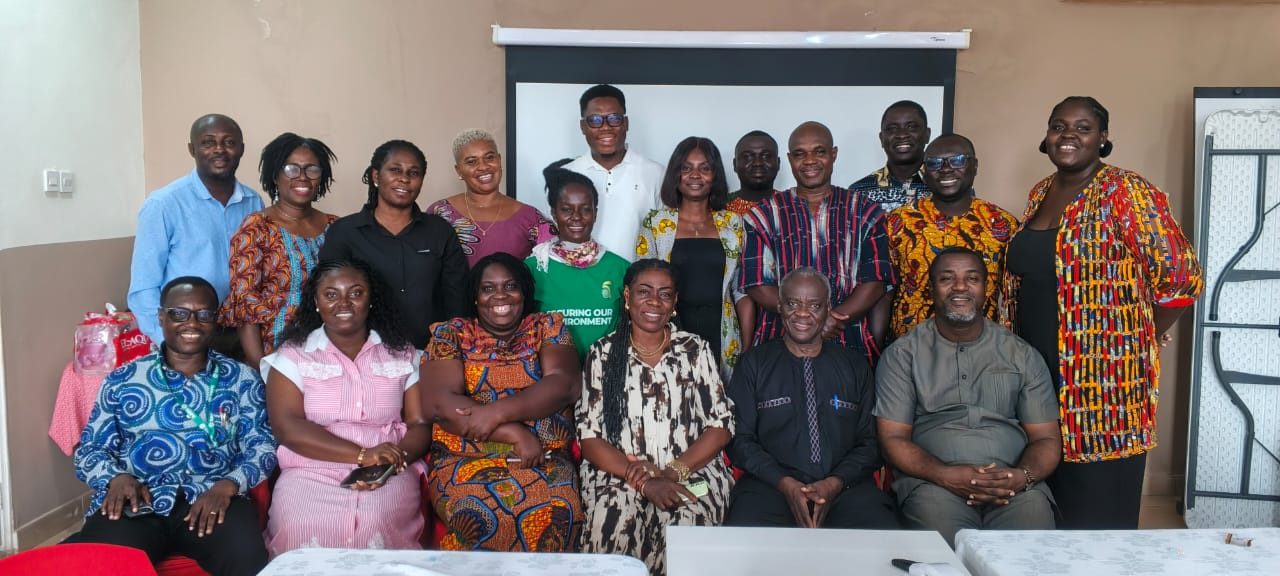
The general discussion, which was moderated by Prof. Daniella Delali Sedegah, focused on practical strategies for addressing illegal mining (galamsey), with participants emphasizing that weak enforcement of existing mining and environmental laws, pol
Beyond the exchange of ideas, the conference reinforced UESD’s strategic role as a national hub for interdisciplinary dialogue on sustainability challenges. By bringing together expertise from academia, government, development organisations, research institutions and civil society, the University continues to demonstrate how higher education institutions can shape national conversations, influence public policy and generate practical solutions to complex environmental problems.