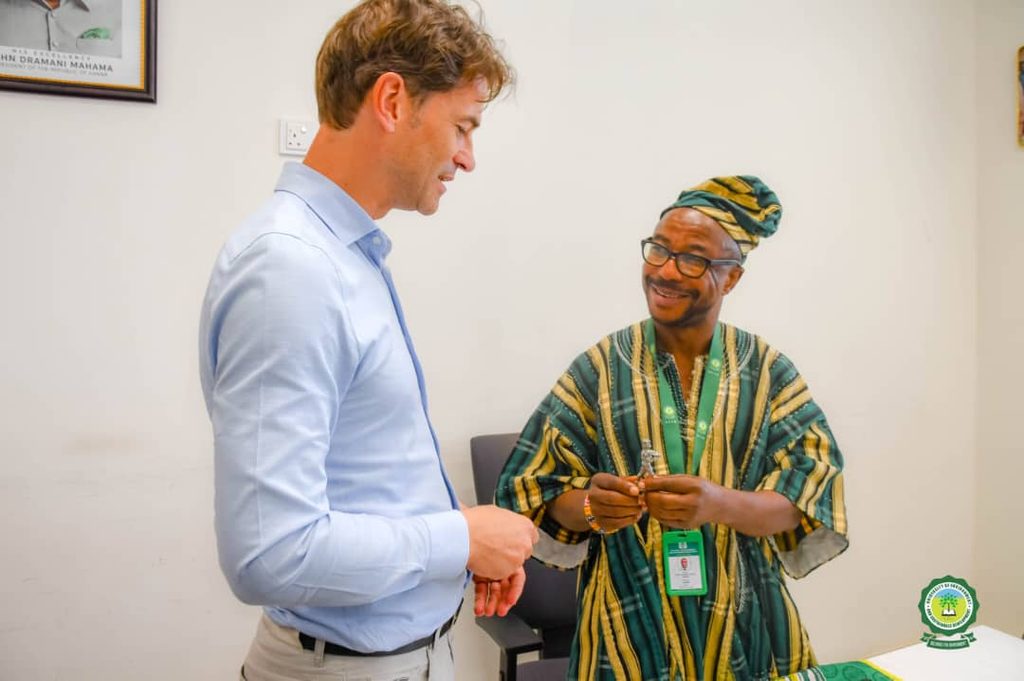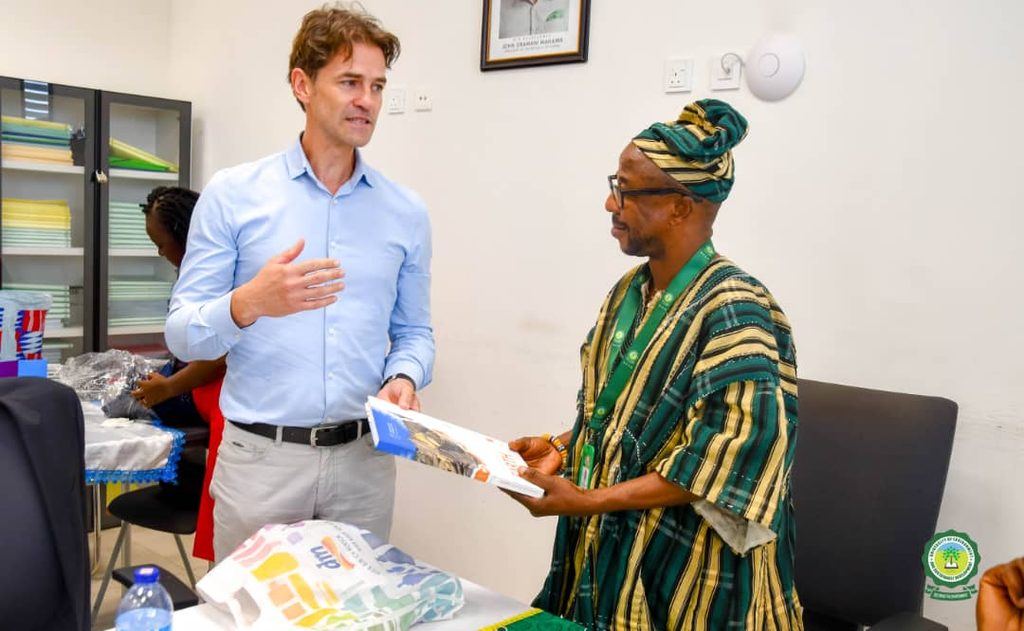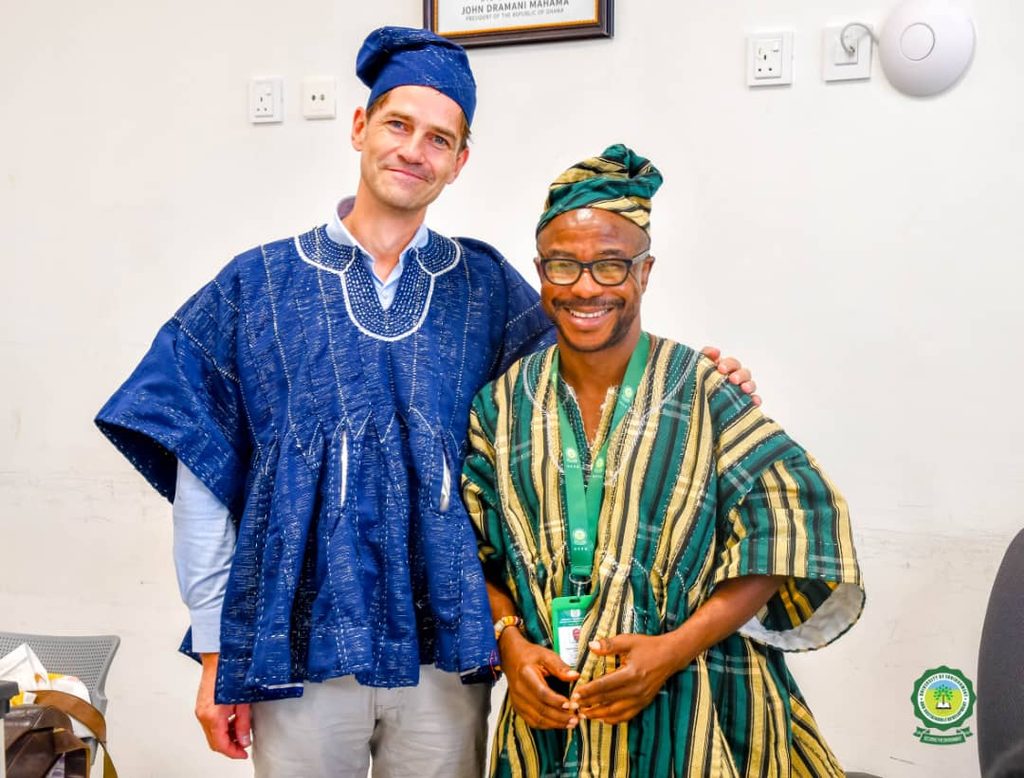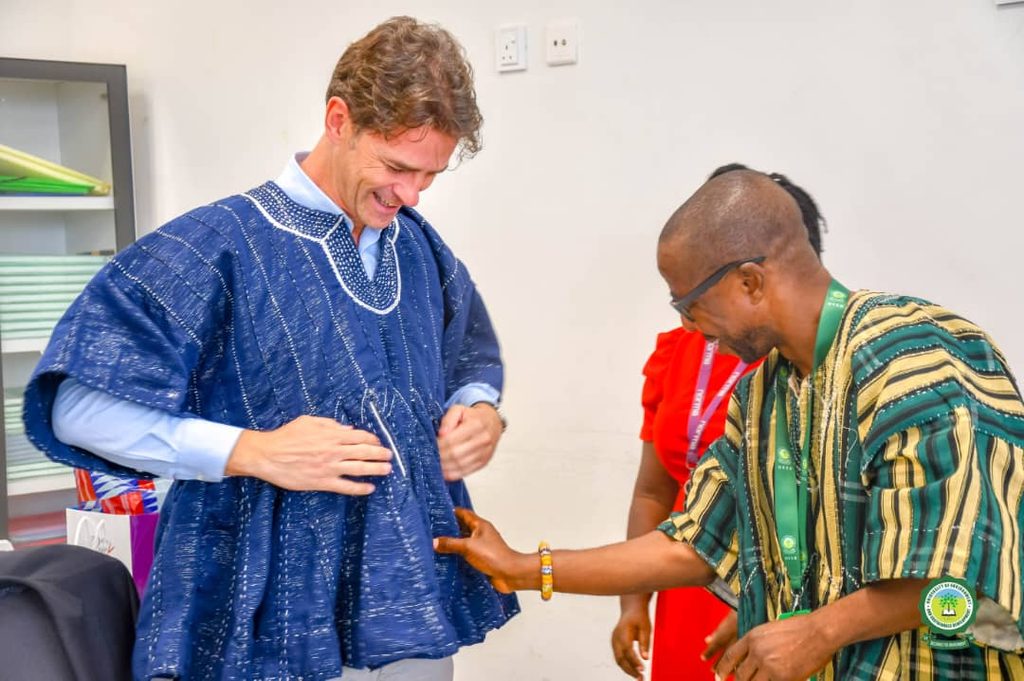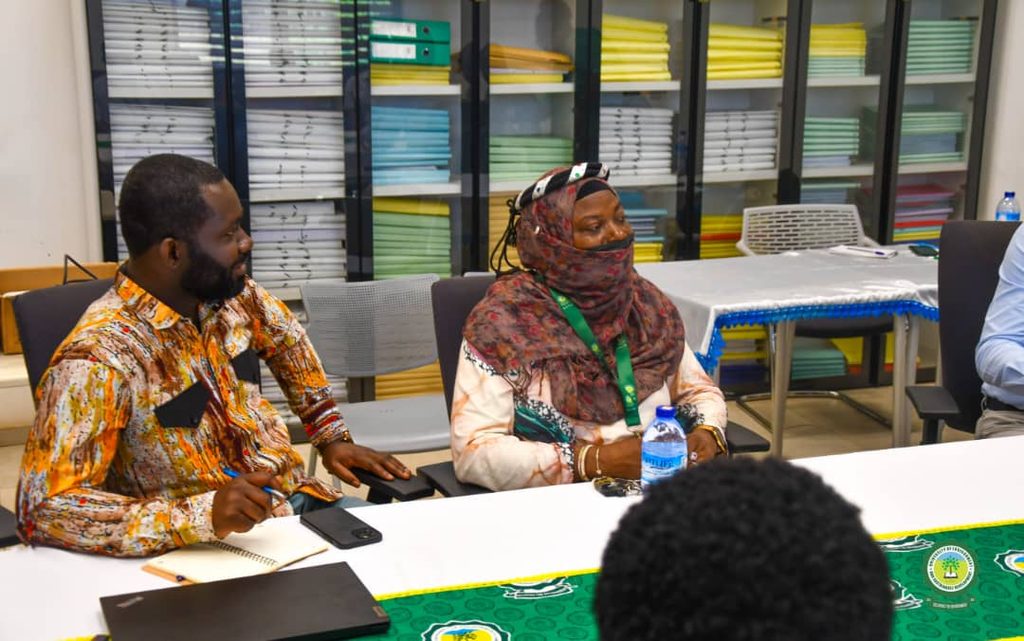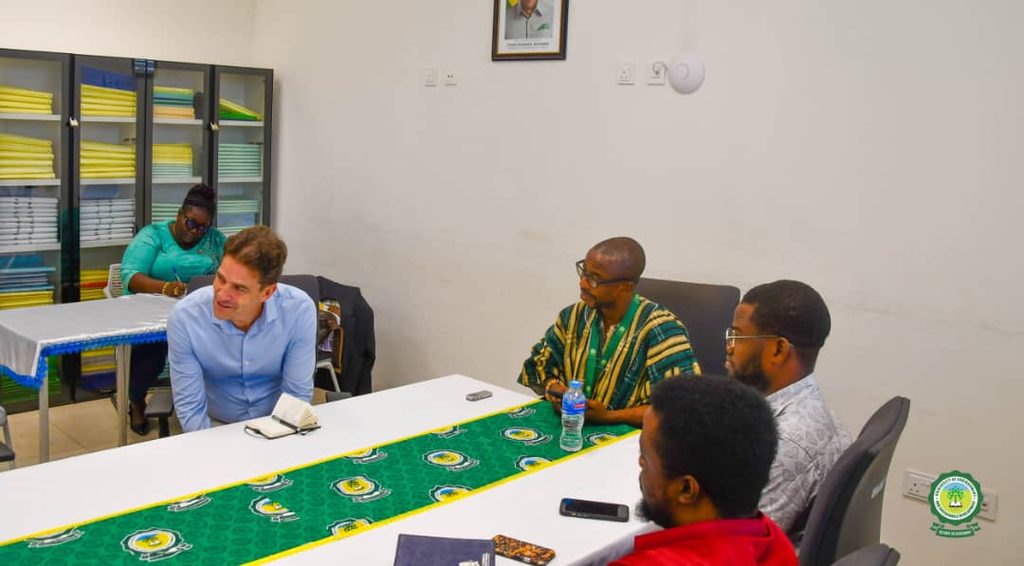
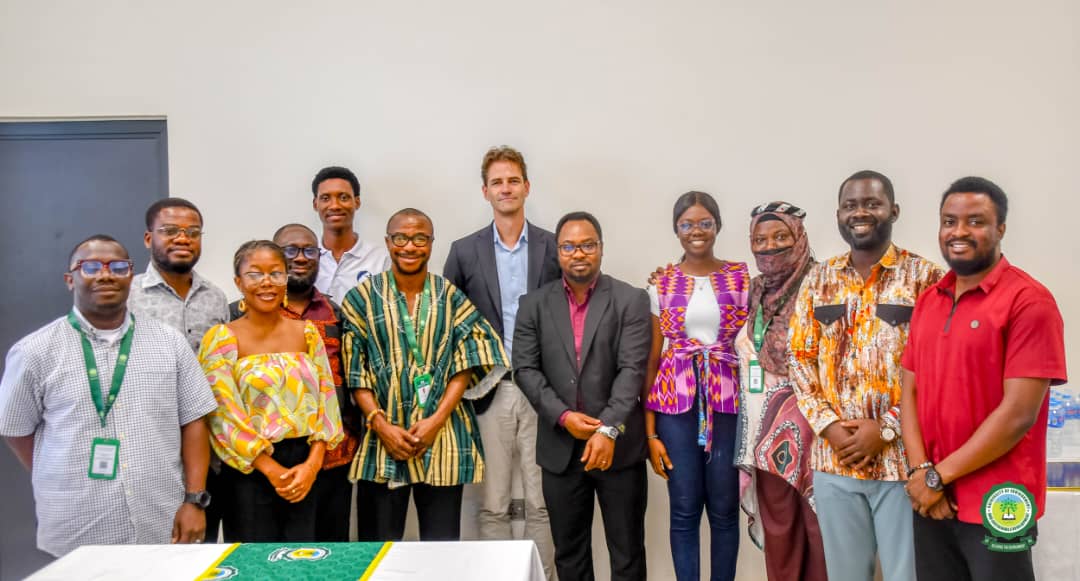
The University of Environment and Sustainable Development (UESD), Somanya, Eastern Region is set to send its first cohort of 12 MPhil and MSc students in Environmental Restoration Studies to the Technical University of Freiberg (TUBAF), Germany, for a six-month student exchange programme.
The students, from the Department of Geography and Earth Sciences, are expected to gain international academic and research experience while exploring practical approaches to environmental restoration, mining rehabilitation, soil and water management, and post-mining landscape recovery.
The exchange forms part of the growing academic collaboration between UESD and TUBAF, which has already facilitated research activities, lectures, staff exchanges, and institutional visits. It is expected to deepen the collaboration between the two institutions while providing the students with knowledge and experiences that can contribute to their academic, professional, and research development.
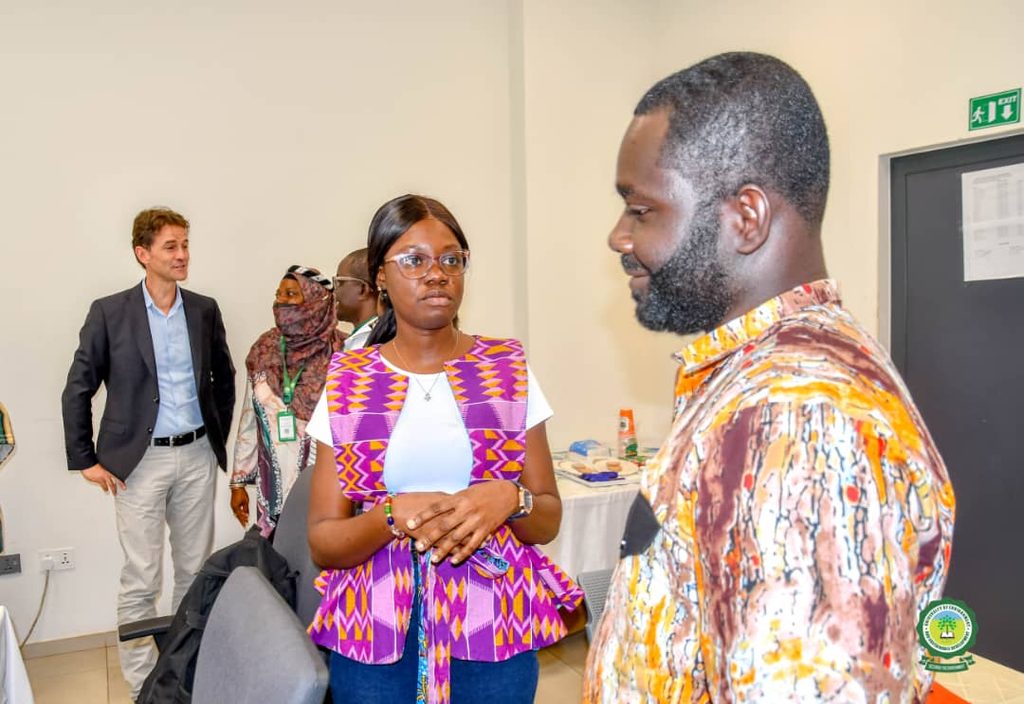
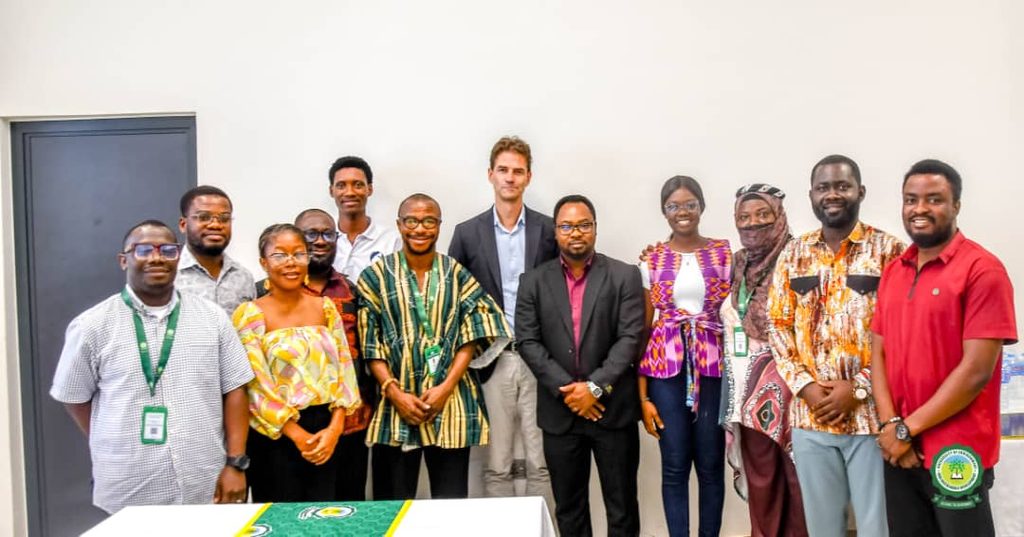
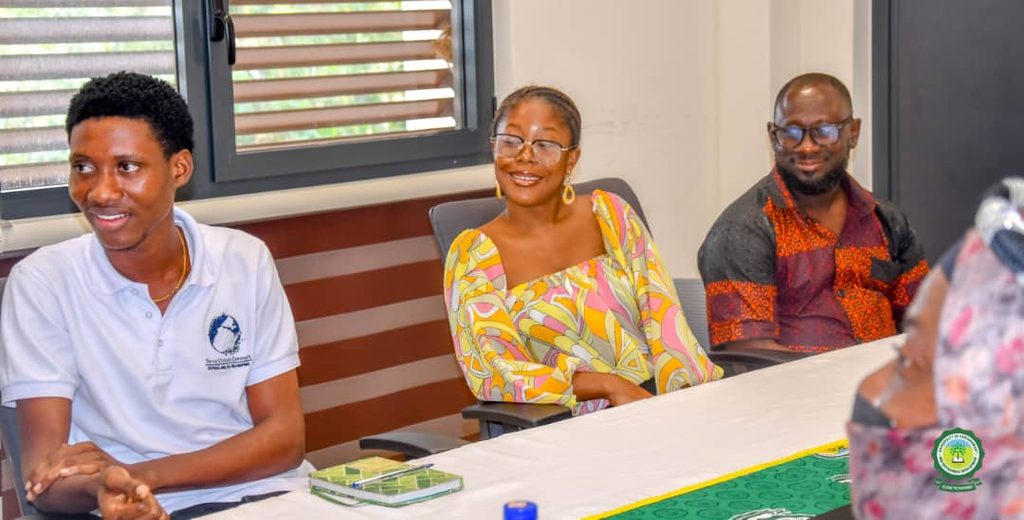
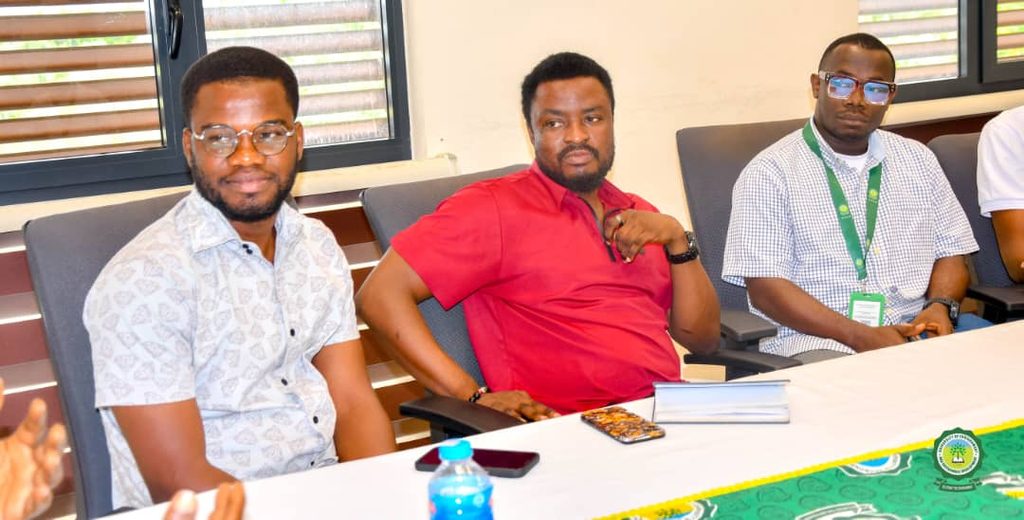
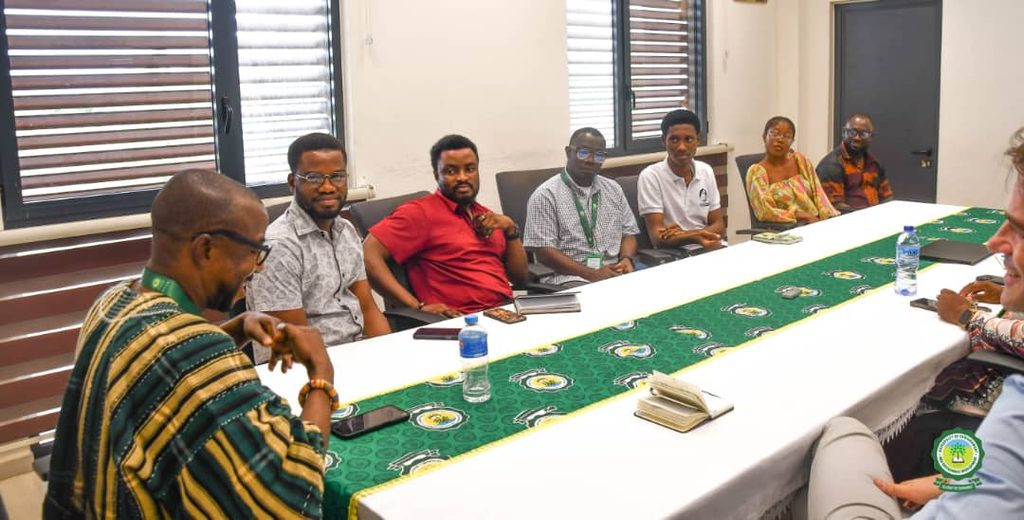
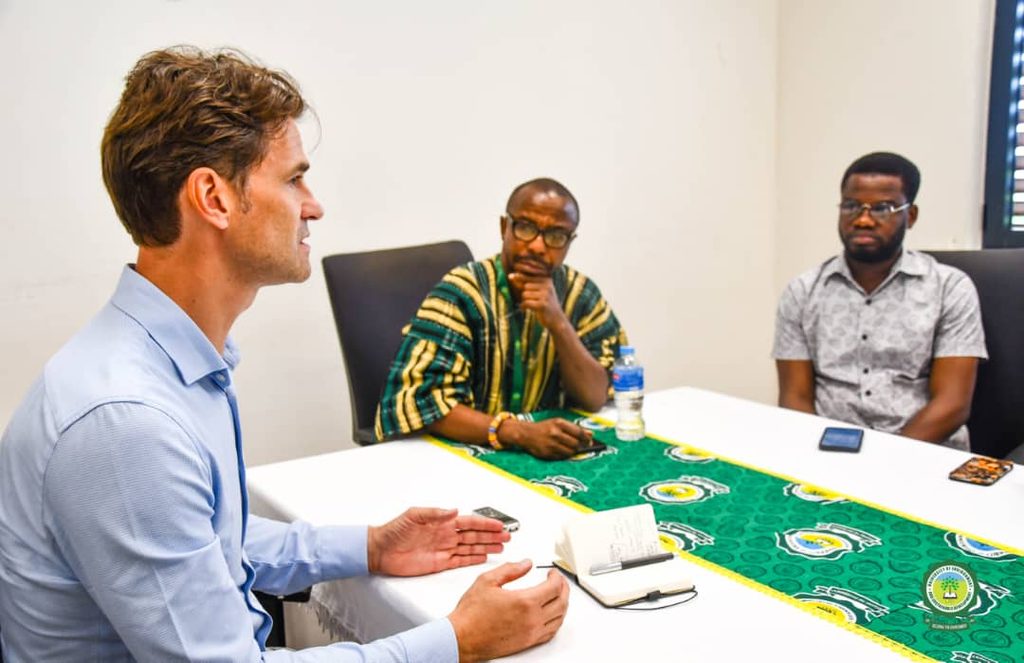
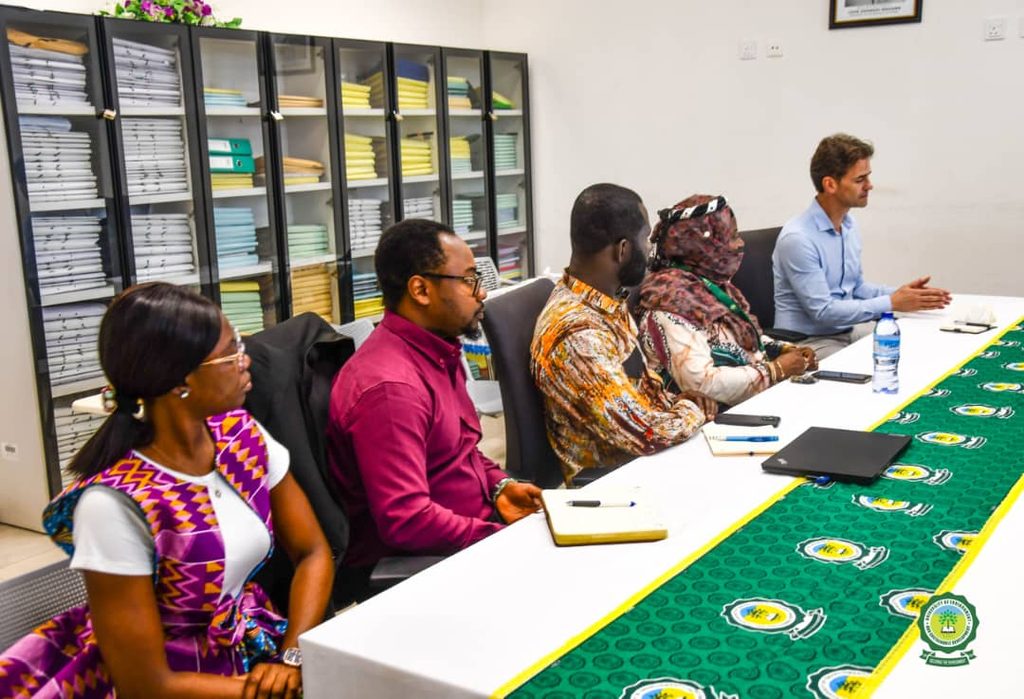
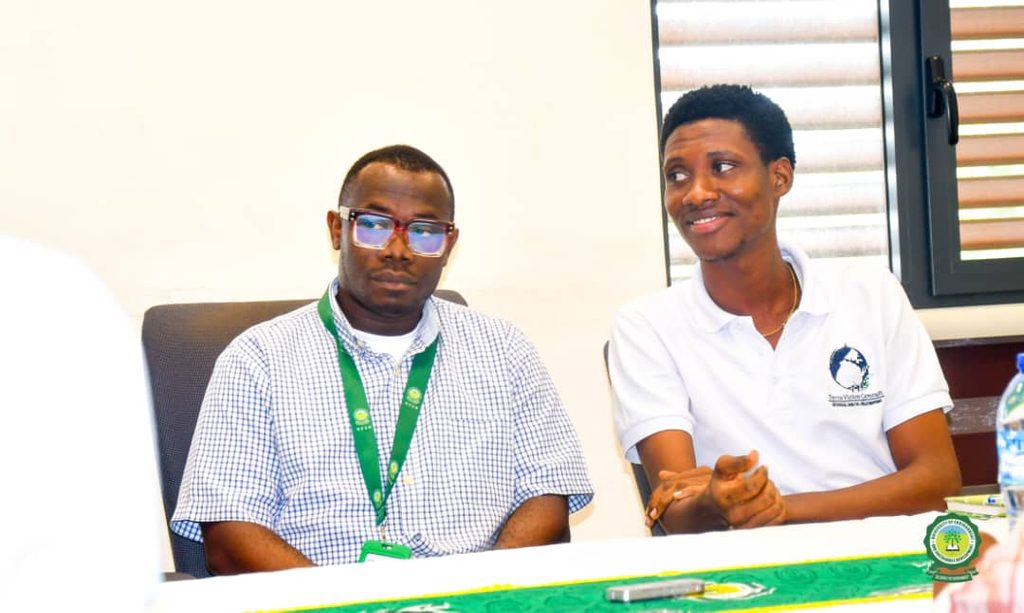
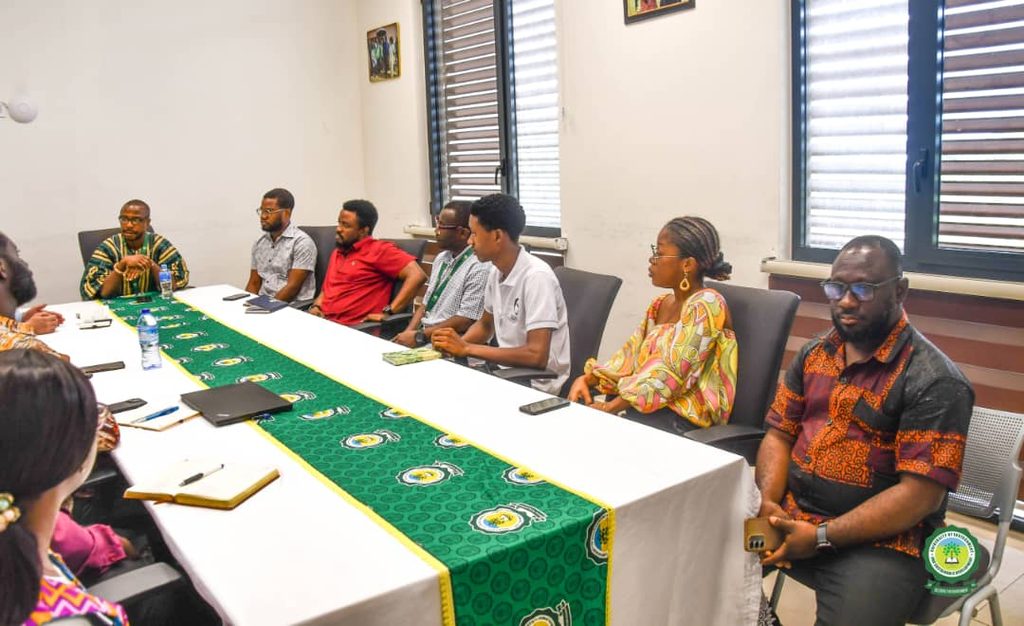
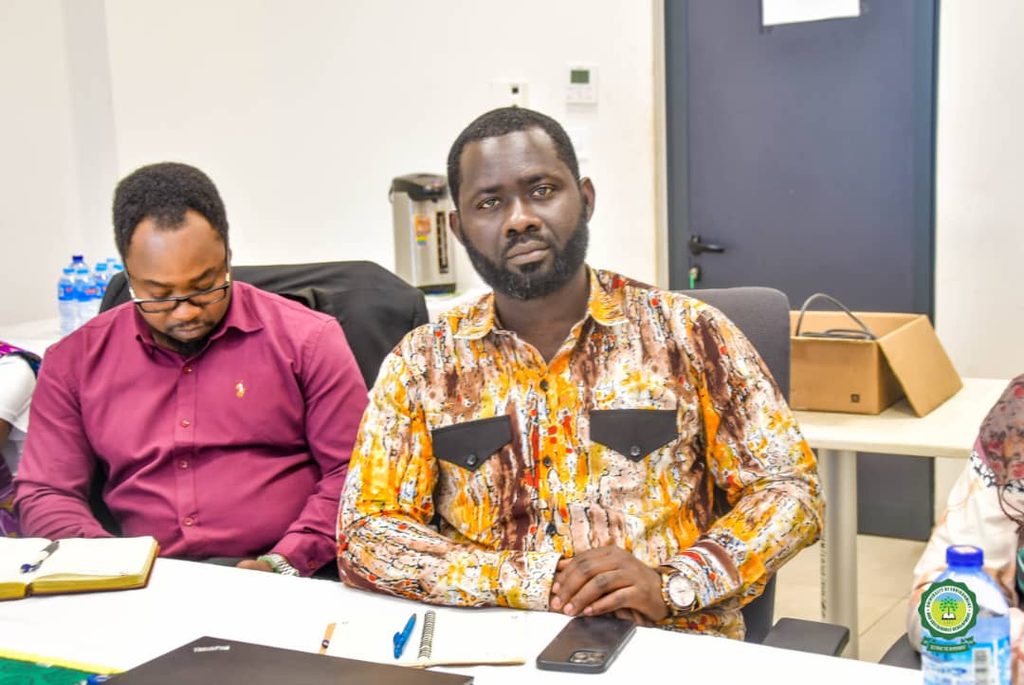
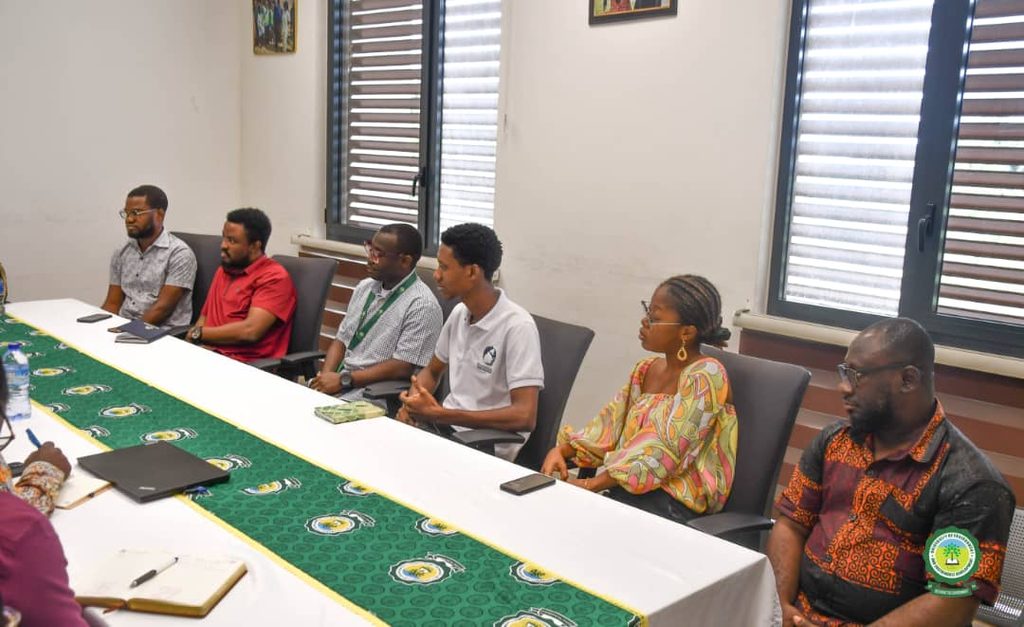
Speaking at a meeting with a delegation from TUBAF, the beneficiary students and some faculty members at the UESD Council Chamber, the Pro Vice-Chancellor, Prof. Edward Wiafe Debrah, highlighted the significance of the exchange programme and explained that the 12 students were selected based on their strong academic performance. He expressed the hope that the opportunity would enable the students to broaden their horizons, gain new experiences, and further strengthen the relationship between UESD and its international partners. He encouraged them to take advantage of the opportunity, perform well academically, and return with experiences that could contribute to their personal and professional development.
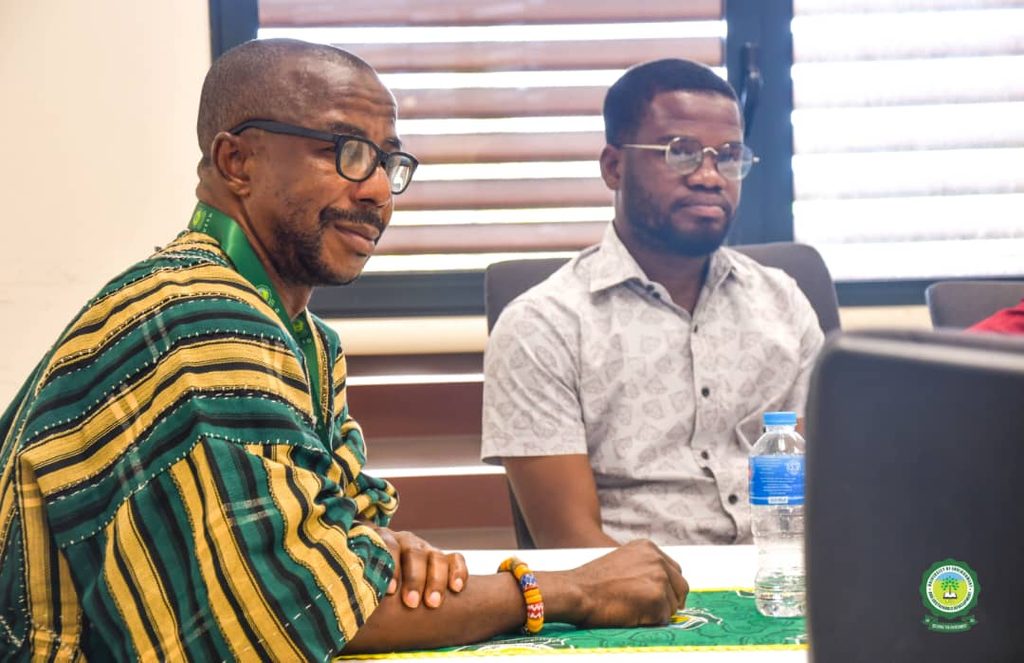
Prof. Wiafe Debrah also explained that the courses to be undertaken at TUBAF have been mapped to correspond with UESD courses, making them transferable to the students’ programmes at UESD. He further encouraged the students to embrace the cultural exchange component of the programme and actively engage with their new environment.
The leader of the delegation, Professor of Surface Mining and Recultivation, Prof. Martin Kressner, reflected on the development of the collaboration between the two institutions. He explained that the relationship grew from efforts to establish cooperation in sustainability, eventually developing into academic, research, staff, and student exchanges. He noted that the partnership had already facilitated visits between the institutions, research activities, lectures, and staff exchanges. He expressed the importance of building reliable institutional relationships and creating opportunities for students and academics to learn from one another.
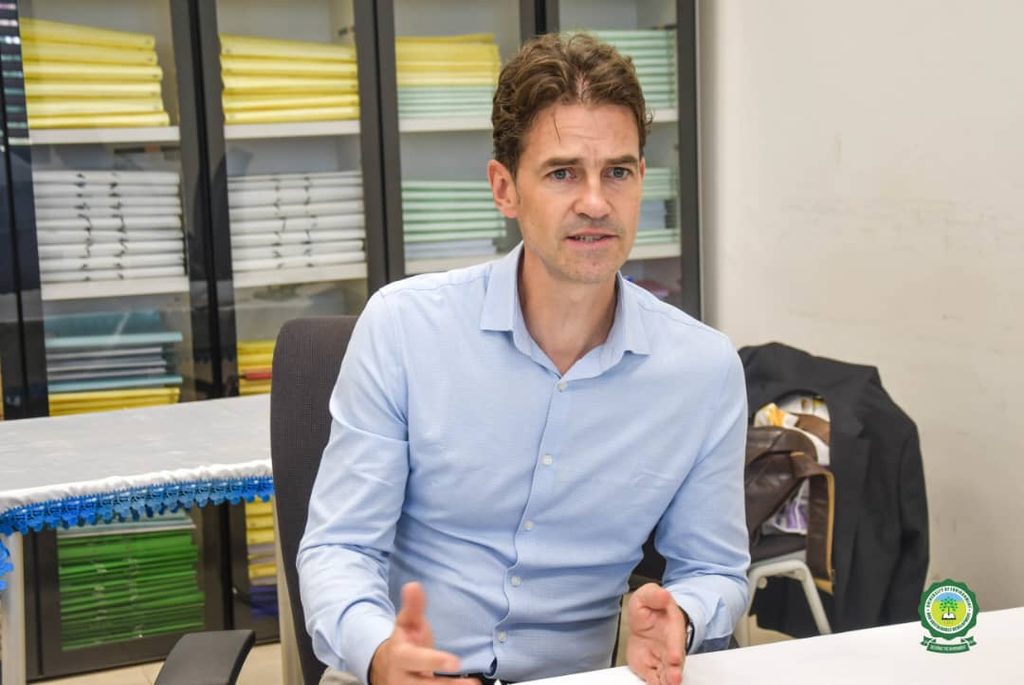
Prof. Kressner also explained the role of the buddy system at TUBAF, noting that the students would have access to international students who could assist them with their initial adjustment, including navigating the city, transportation, accommodation, and other practical matters.
Dr. Ing. Martin K. Mensa the international coordinator for Yemaya at TUBAF introduced the students to TUBAF’s academic and research environment, particularly its expertise in surface mining, recultivation, post-mining landscape rehabilitation, and soil and water management.
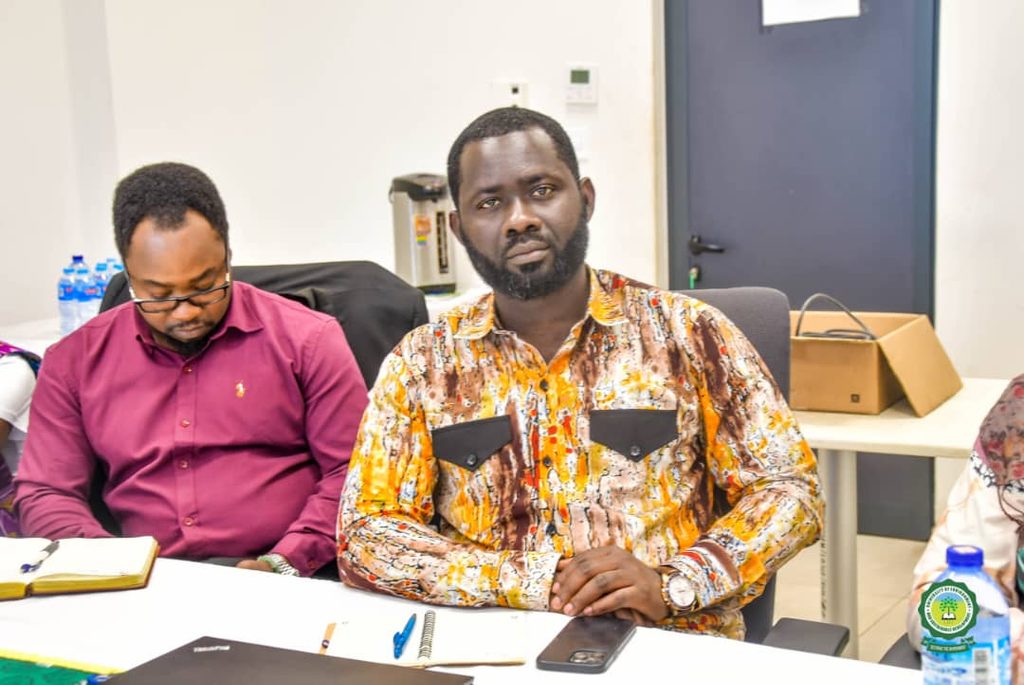
He highlighted TUBAF’s extensive experience in the rehabilitation of former mining areas and its multidisciplinary approach to addressing environmental and mining-related challenges. He also pointed to the university’s laboratory and research facilities, encouraging students to develop clear academic and research interests and make use of the opportunities available to them.
Addressing questions about future PhD opportunities, Dr. Mensah explained that such opportunities would depend on available research topics, projects, and funding. He, however, noted that expanding research activities could create opportunities for PhD students in the future. He stressed that strong academic performance would be fundamental to such opportunities.
Also, part of the delegation was a Lecturer at the University of Mines and Technology and former research associate in Germany, Dr. Kofi Moro, who served as a mentor to the students, urged them to approach the exchange with an open mind, discipline and a willingness to learn from the German academic and research environment.
The Head of the Department of Geography and Earth Sciences, Dr. Fatima Eshun, reminded the students that, as the first cohort, they would be ambassadors of UESD. She urged them to uphold the University’s HOPE values-Honesty, Opportunity, Perseverance, and Entrepreneurship-and set a positive precedent for future participants.
The students raised questions about course selection, practical and field-based training, thesis opportunities, credit transfer, accommodation, transportation, and visa arrangements. They also expressed interest in gaining hands-on experience in environmental restoration and mining-related activities.