
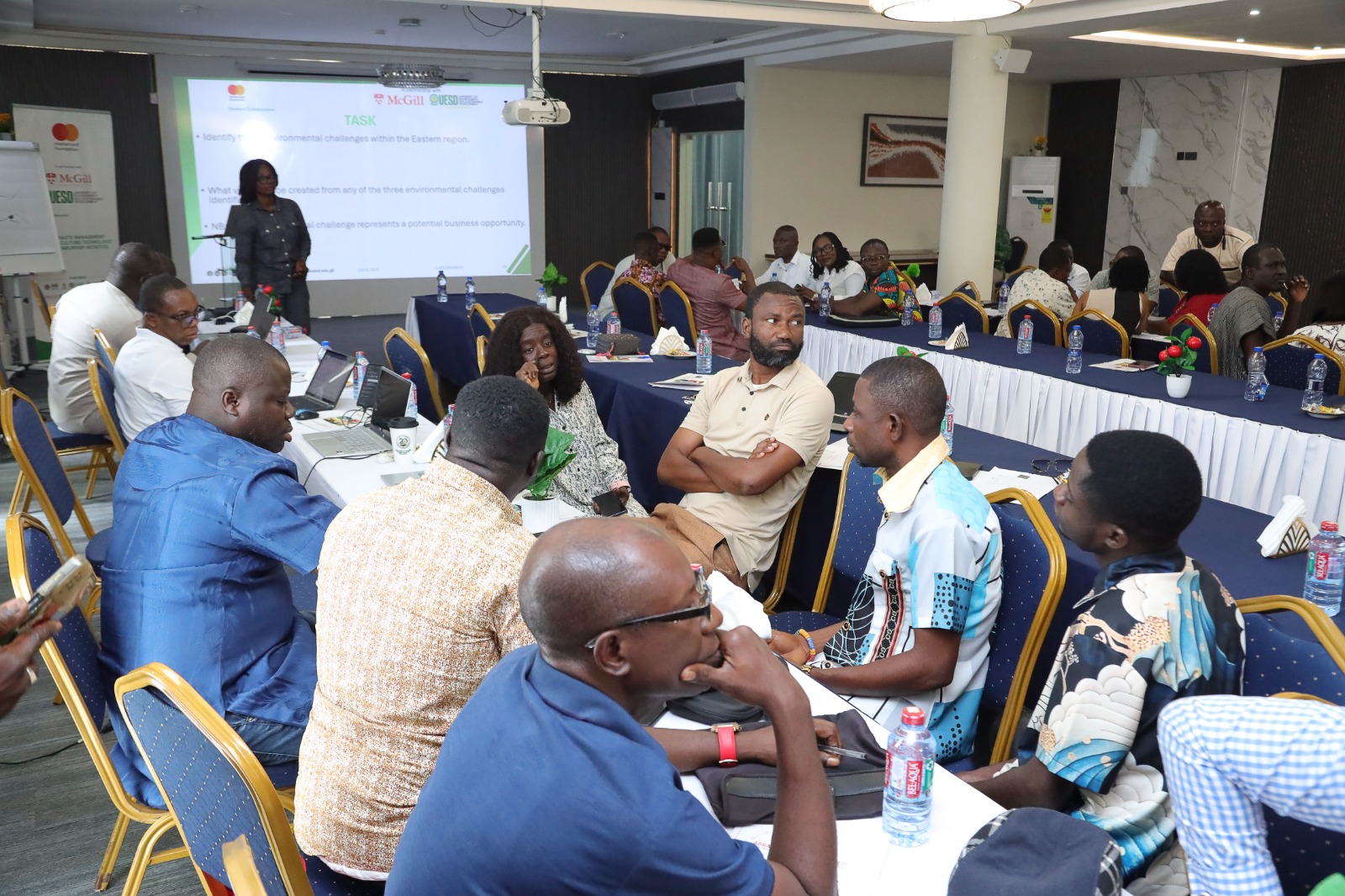
The University of Environment and Sustainable Development (UESD), Somanya, Eastern Region, through its Nkabom Collaborative, has taken a major step towards strengthening environmental journalism by equipping members of the Ghana Journalists Association (GJA) with the knowledge and skills required to report accurately and effectively on green innovation, climate action, food systems, entrepreneurship, and sustainable development.
The two-day media sensitisation workshop, held in Koforidua under the theme “Reporting Green Innovation: Strengthening Media Engagement for Sustainable Development,” brought together selected journalists from the Eastern Region to deepen their understanding of emerging sustainability issues and to position the media as strategic partners in advancing Ghana’s green development agenda.
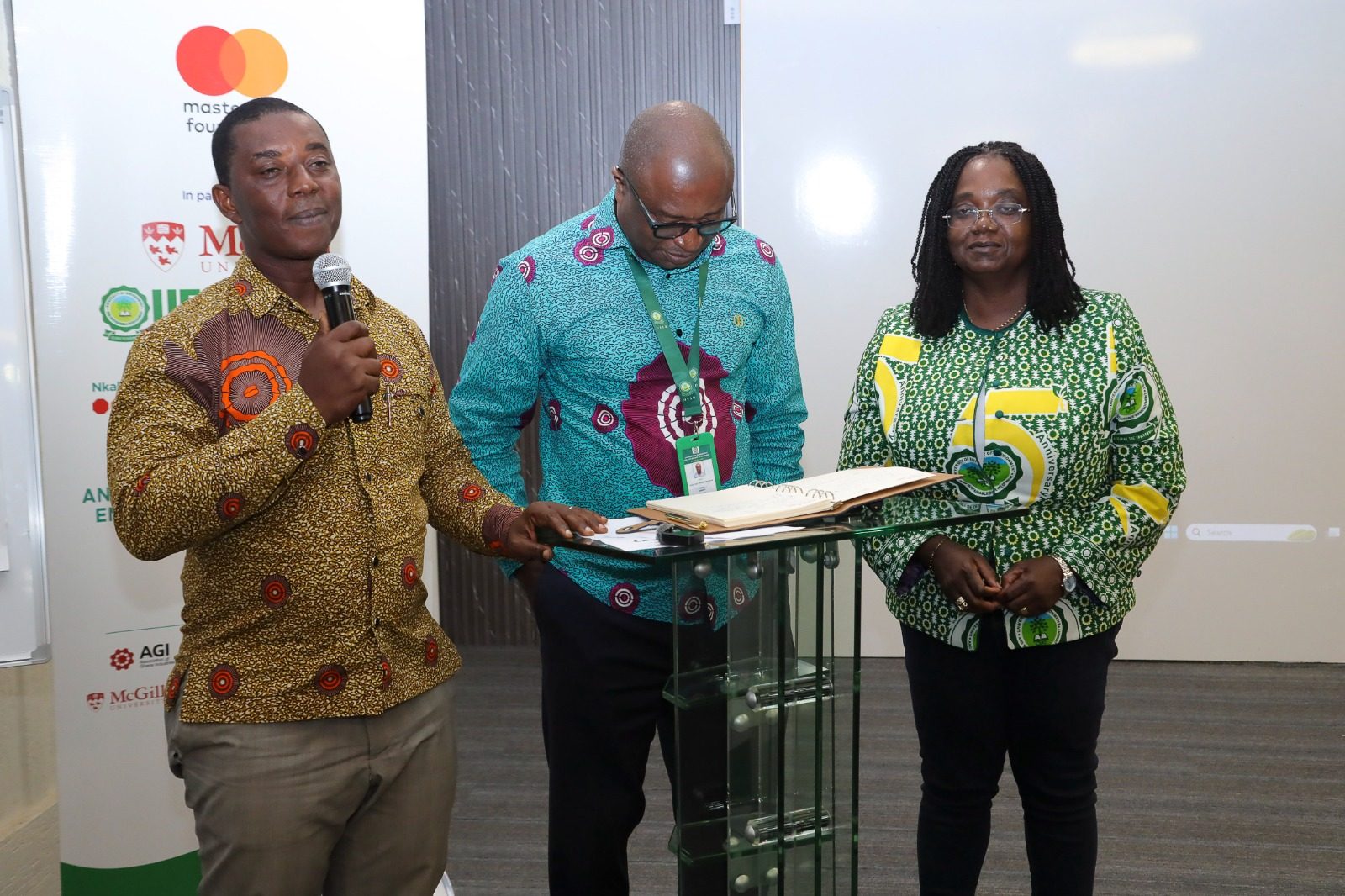
The workshop forms part of the Mastercard Foundation Young Africa Works initiative being implemented under the Nkabom Collaborative, a partnership involving the University of Environment and Sustainable Development (UESD), Koforidua Technical University (KTU), Kwame Nkrumah University of Science and Technology (KNUST), University of Ghana (UG), University of Health and Allied Sciences (UHAS), Ashesi University, the Association of Ghana Industries (AGI), and McGill University, Canada.
The Project Investigator (PI) and Vice-Chancellor of UESD, Professor Eric Nyarko-Sampson, underscored the indispensable role of the media in promoting sustainable development and ensuring that scientific innovations reach policymakers, investors, development partners, and local communities. He explained that the Initiative seeks to tackle youth unemployment while addressing environmental degradation through education, entrepreneurship, research, and community engagement.
Professor Nyarko-Sampson disclosed that new academic programmes, including Bachelor of Technology degrees in Agro-Waste Processing and Aquaculture Technology, alongside diploma and certificate courses, have been developed to equip young people with industry-relevant skills. The Initiative will also provide scholarships, mentorship opportunities, and targeted admission pathways for women, persons with disabilities, refugees, and youth from underserved communities.
He therefore appealed to journalists to become partners in promoting evidence-based reporting on green innovation and to highlight stories that demonstrate practical solutions to environmental and socio-economic challenges.
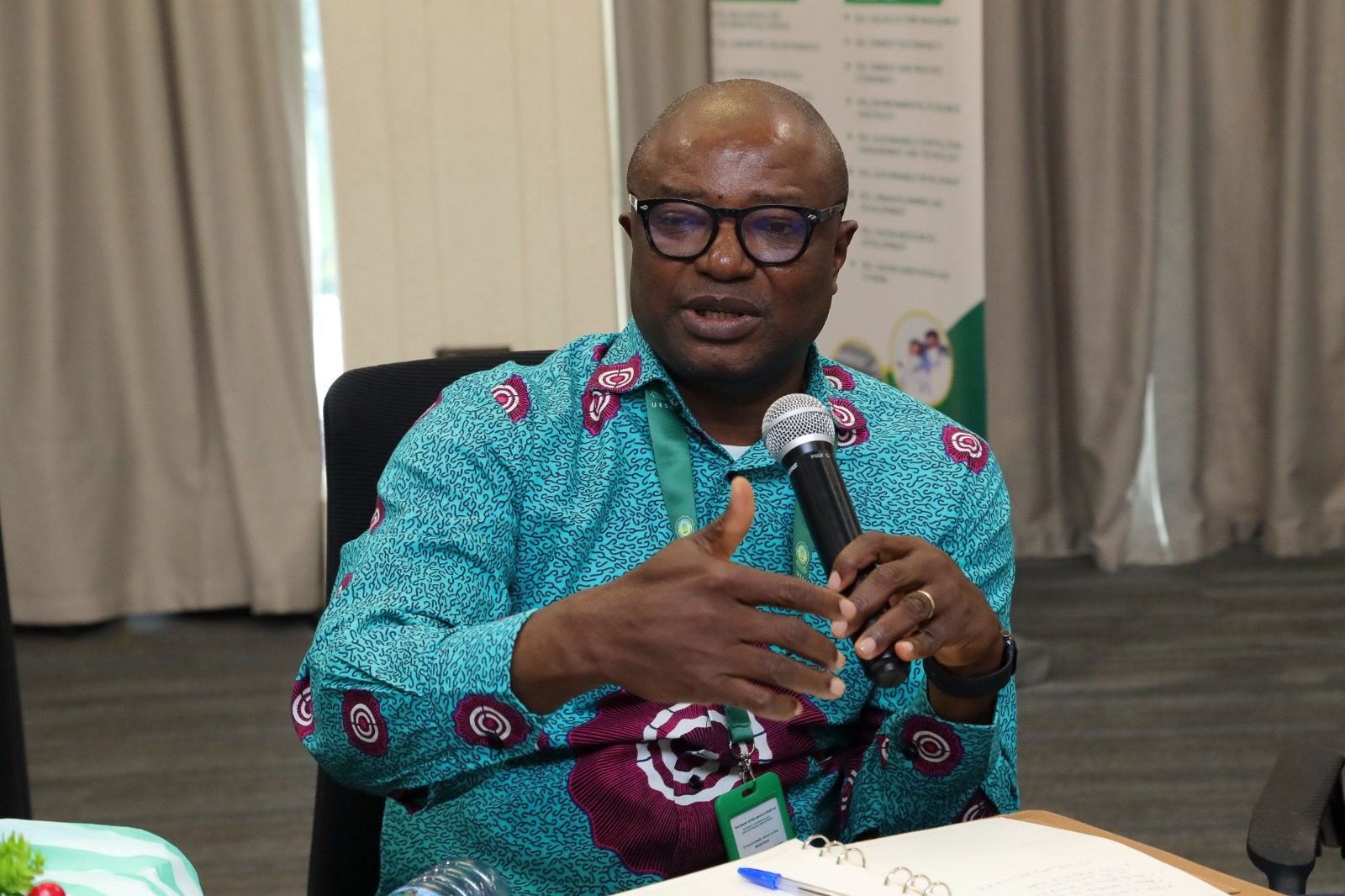
The Coordinator of the Nkabom Collaborative at the University of Environment and Sustainable Development (UESD), Prof. Edward Wiafe Debrah, who is also the University’s Pro Vice-Chancellor, said UESD is strategically positioned to successfully implement the Nkabom Project because of its mandate and expertise in environmental sustainability and community engagement. He explained that during the project’s first year, comprehensive baseline studies were conducted to assess the needs of target communities and identify priority intervention areas. According to him, the findings revealed two major national challenges requiring urgent attention: ineffective waste management and the growing demand for sustainable sources of protein.
Prof. Debrah noted that the Nkabom Project was designed to address both challenges simultaneously by transforming agricultural waste into valuable resources while promoting aquaculture and entrepreneurship as pathways to employment and improved livelihoods. He added that the initiative has created opportunities for both academic and non-academic beneficiaries, with about 140 young people already trained in agro-waste management, aquaculture, and entrepreneurship.
He announced that as part of the Collaborative’s upcoming activities, a Business Fair will be held in September to provide a platform for businesses operating within the agri-food systems value chain to exhibit their products and services. The event will also enable students to showcase the practical skills and innovations they have acquired through the project, while fostering networking, market linkages, and entrepreneurial opportunities.


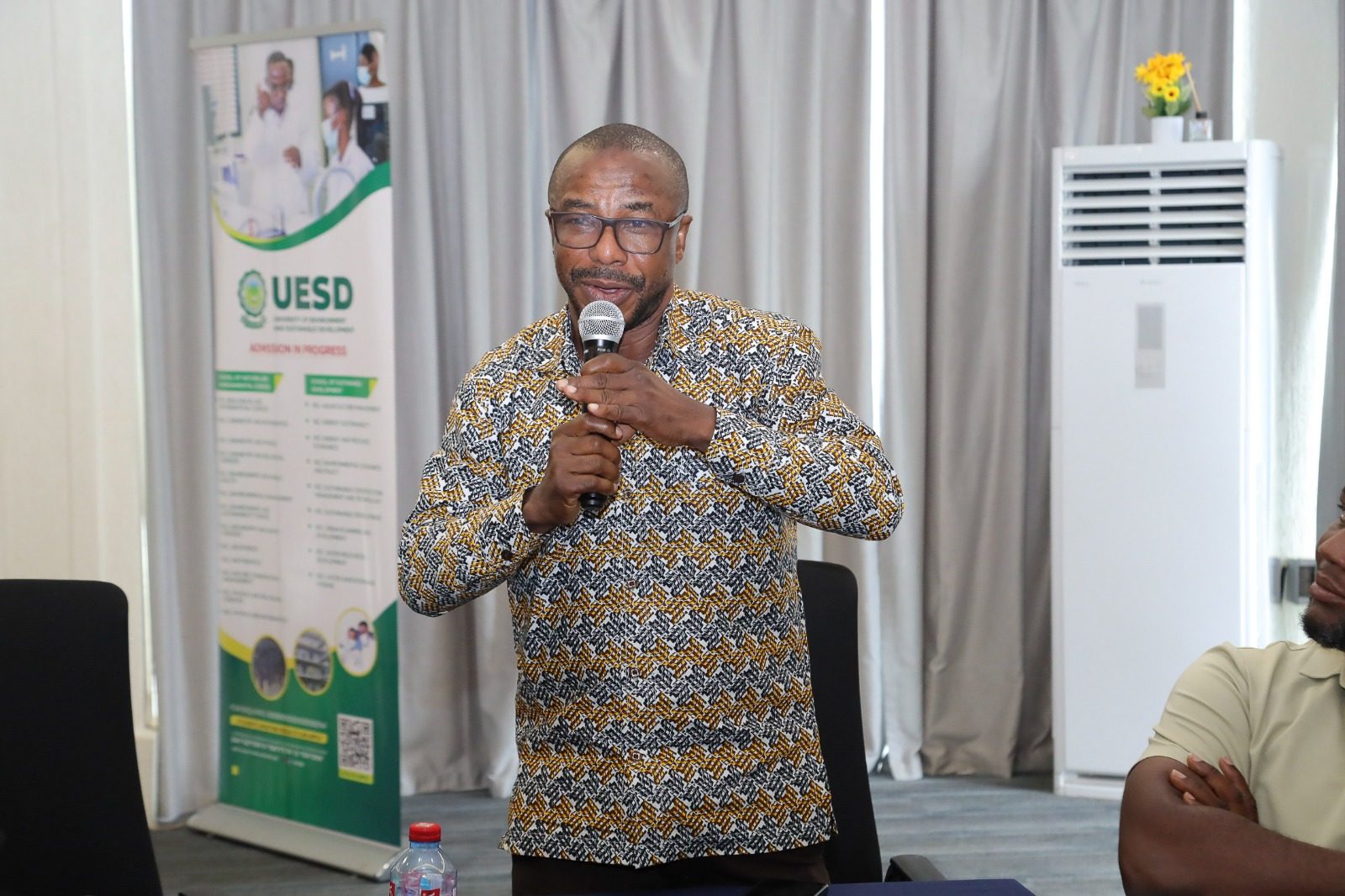
The Eastern Regional Chairman of the Ghana Journalists Association, Mr. Stephen Ampem-Darko, Koranteng, commended UESD for organising the workshop at a time when climate change, environmental degradation, and sustainable development have become pressing national concerns. He announced the Association’s commitment to building the capacity of journalists in environmental reporting, strengthening collaboration with UESD and other institutions, and promoting consistent coverage of sustainability issues throughout the year.
Turning Agricultural Waste into Wealth
One of the major presentations focused on Agro-Waste Management and Circular Economy Opportunities, delivered by the Agro-Waste Lead of the Nkabom Collaborative, Professor Richard Amfo-Otu. He revealed that Ghana loses an estimated US$1.9 billion annually through post-harvest losses while huge quantities of agricultural residues are burnt or discarded, resulting in environmental pollution and significant economic losses.
Prof. Amfo-Otu explained that adopting a circular economy offers Ghana the opportunity to convert waste into valuable products, reduce pollution, create employment, and promote sustainable industrial development. Participants were introduced to the 10Rs of Circularity-Refuse, Reduce, Renew, Reuse, Repair, Refurbish, Remanufacture, Repurpose, Recycle, and Recover-which encourage maximum resource utilisation and minimal waste.
Professor Amfo-Otu disclosed that Diploma and Bachelor of Science programmes in Agro-Waste Technology are currently at the final stages of accreditation, while five industry-oriented short courses have already been developed in Compost Production, Briquette and Biochar Production, Agro-Waste Feed Production, Pulp for Paper Production, and Biogel Fuel Production.
He announced that thirty young people have completed compost production training under the project, with additional cohorts expected to undergo similar practical training in the coming months.
He noted that agricultural residues from mangoes, cassava, coconut, maize, rice, and oil palm can be transformed into compost, livestock feed, biochar, briquettes, biodegradable packaging materials, and industrial products that can generate new businesses and green jobs. He urged journalists to tell stories that showcase local innovations and inspire investment in circular economy solutions.
Aquaculture as a Driver of Food Security
Presenting on Aquaculture Technology and Sustainable Food Systems, the Aquaculture Pillar Lead, Dr. Christian Larbi Ayisi, described aquaculture as one of the fastest-growing food production sectors globally and a critical solution to Ghana’s food security challenges.
He explained that declining wild fish stocks resulting from overfishing, pollution, and climate change make sustainable aquaculture essential for meeting the country’s increasing demand for fish. Dr. Ayisi introduced participants to emerging technologies transforming the aquaculture industry, including hatchery innovations, improved feed formulation, Recirculating Aquaculture Systems (RAS), Aquaponics, Integrated Multi-Trophic Aquaculture (IMTA), Artificial Intelligence, Internet of Things (IoT) technologies, drones, and automated water quality monitoring systems. He noted that sustainable aquaculture contributes not only to increased fish production but also to environmental protection, employment creation, improved nutrition, and economic growth.
Highlighting UESD’s commitment to Ghana’s blue economy, he announced ongoing plans to strengthen academic programmes from diploma to doctoral levels in Aquaculture Technology, Sustainable Aquaculture and Biotechnology, and Blue Economy Innovation and Entrepreneurship.
Dr. Ayisi called on journalists to bridge the gap between scientific research and society by producing evidence-based reports that explain complex issues in simple language while promoting informed public discourse on food security and environmental sustainability.
Entrepreneurship Begins with Solving Problems
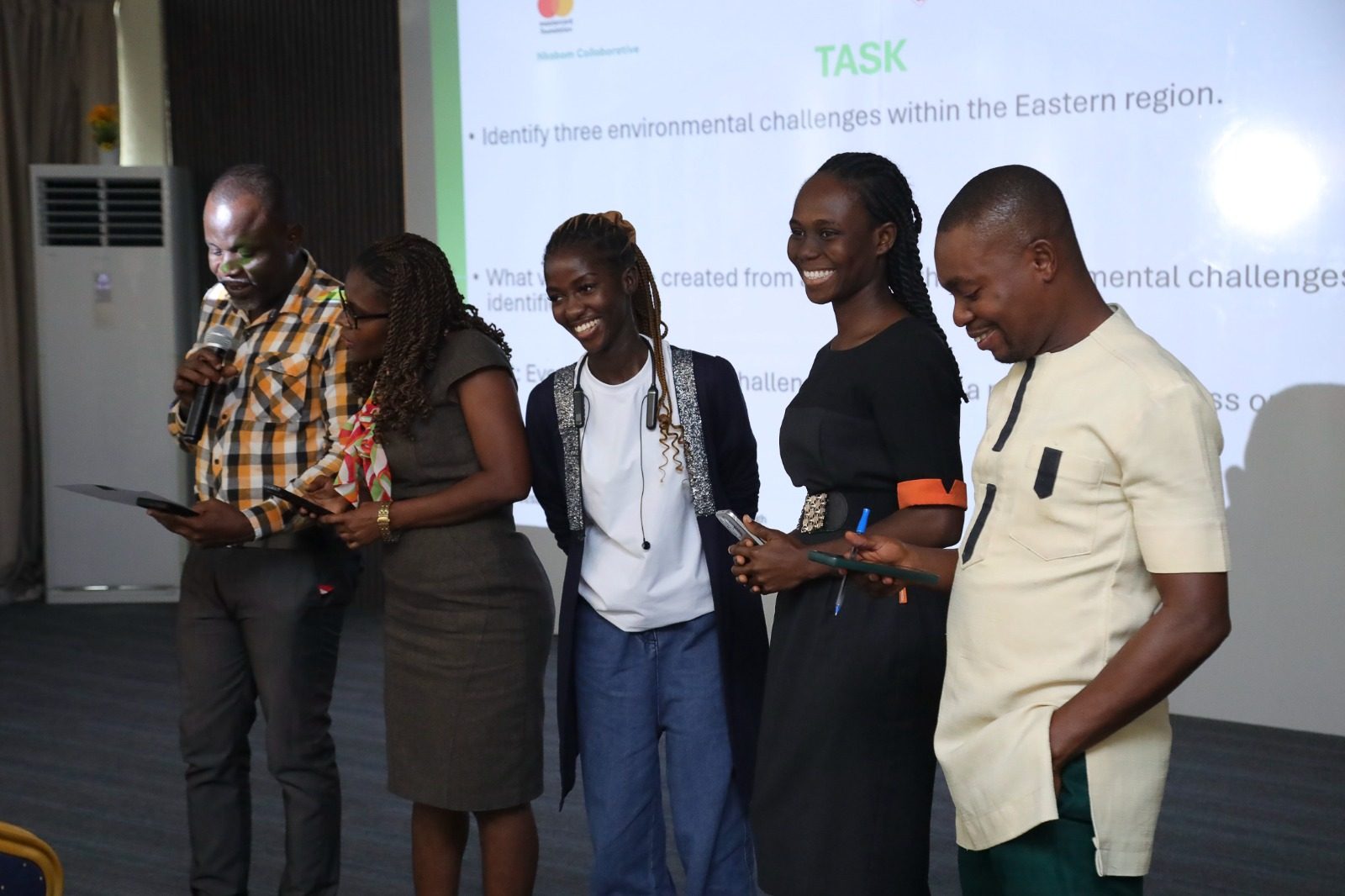
Delivering the session on Entrepreneurship and Green Jobs, Entrepreneurship Lead Dr. Eunice Stella Nyarko adopted an interactive approach by presenting participants with the story of a young graduate who transformed plastic waste into pavement blocks, creating employment while reducing environmental pollution.
The practical exercise challenged journalists to identify the newsworthiness of the story and explore possible reporting angles. The discussions highlighted entrepreneurship as the ability to identify societal problems and develop innovative solutions that create value while improving people’s lives.
Dr. Nyarko encouraged participants to view every environmental challenge as a business opportunity capable of generating jobs and improving livelihoods. She cited examples such as producing organic fertiliser from cocoa husks, manufacturing briquettes from agricultural waste, processing cassava into flour, and producing fish feed locally.
She also introduced participants to the concept of the green economy, explaining that sustainable development depends on balancing economic growth, environmental protection, and social inclusion.
Participants also received a presentation on Communication and Sustainability Reporting, which equipped them with practical skills for effectively communicating sustainability initiatives, translating technical information into compelling stories, and promoting public awareness of environmental and development issues.
Media as Partners in Sustainable Development
Participants received practical guidance on environmental reporting, sustainability communication, solution journalism, and practical news writing, equipping them to produce balanced, evidence-based, and impactful stories.
The sessions encouraged journalists to move beyond routine event reporting by investigating environmental issues, highlighting innovative solutions, amplifying community voices, and holding institutions accountable for sustainable development commitments.
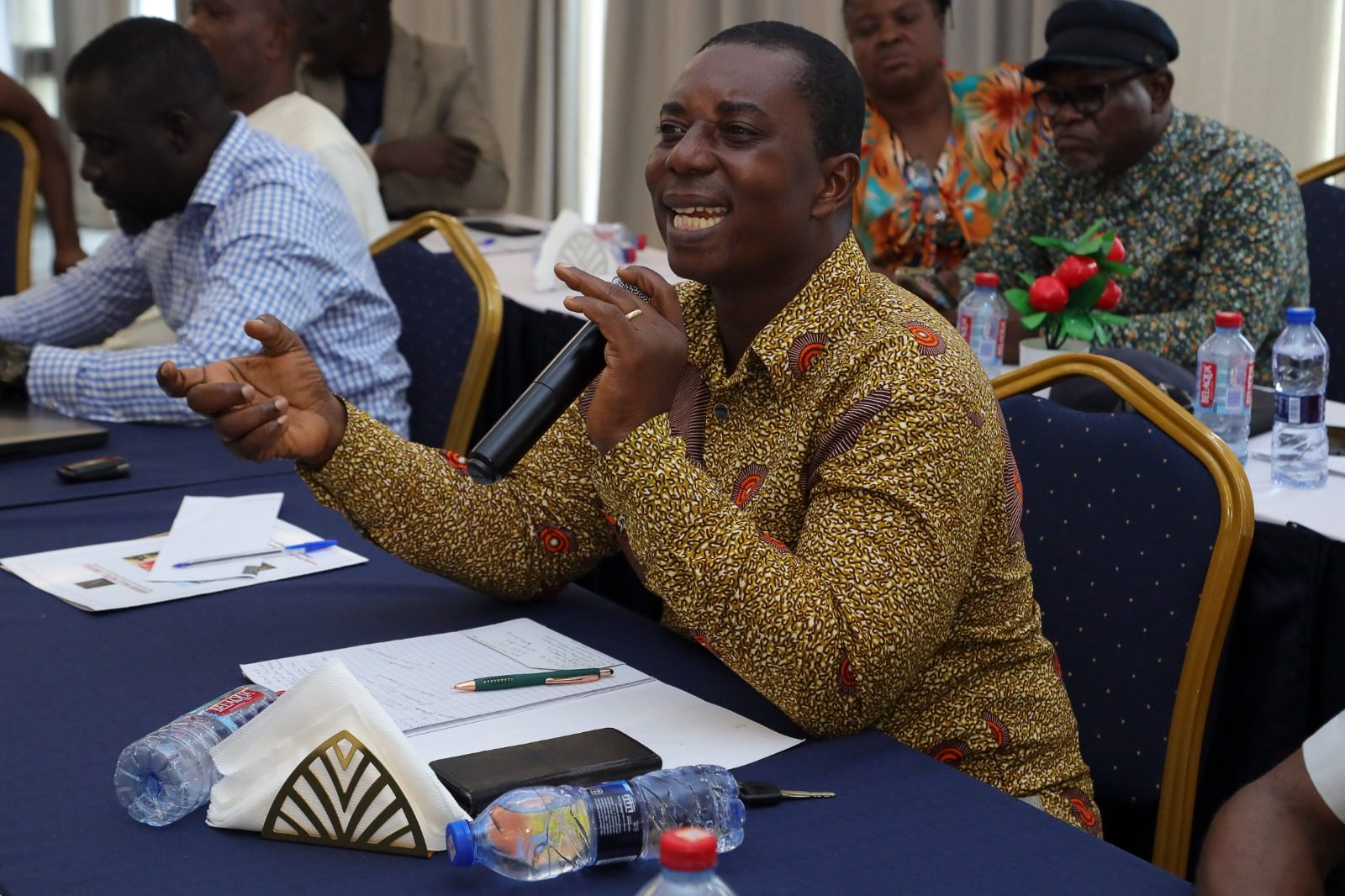
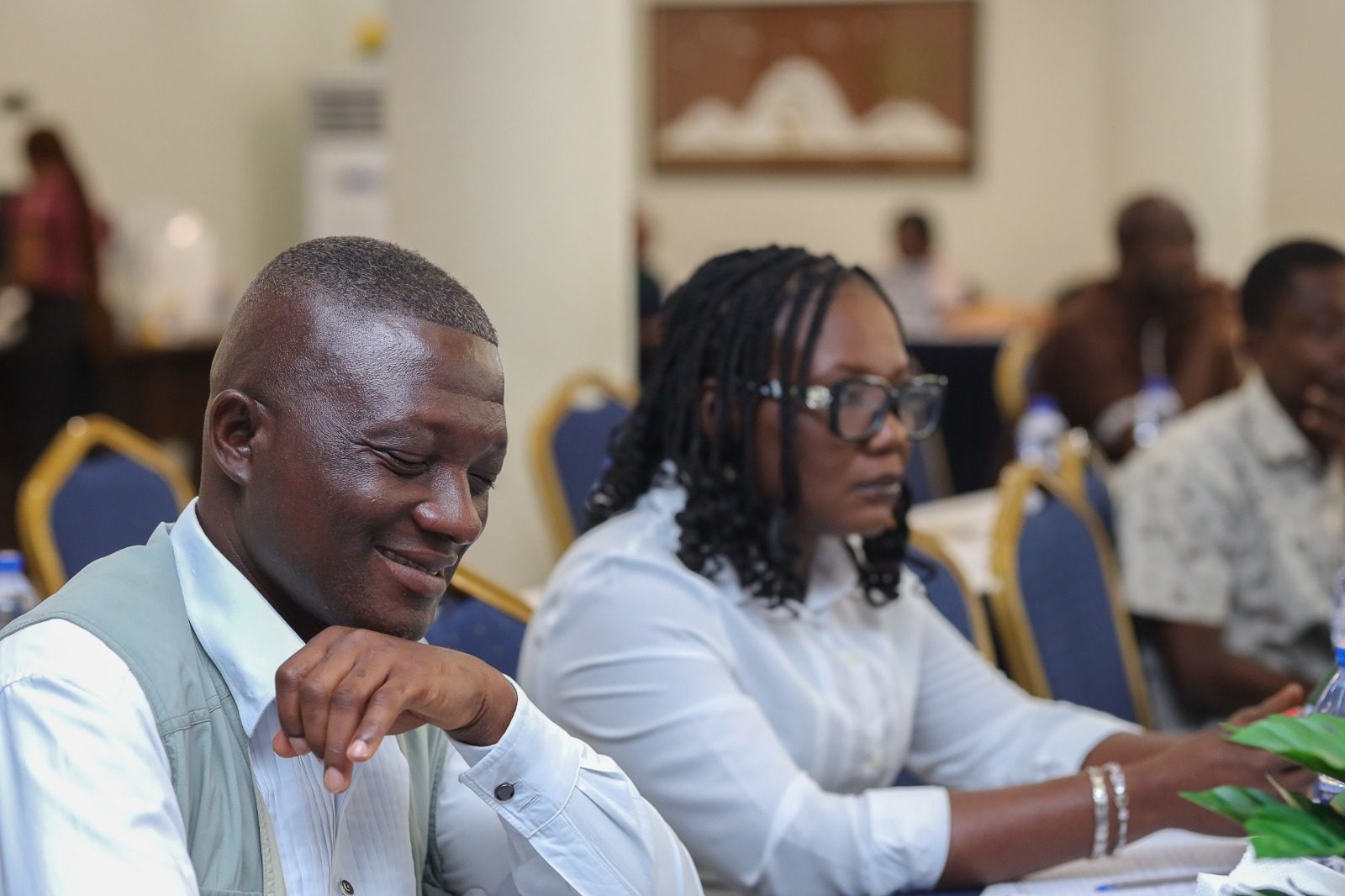
The workshop also provided opportunities for discussions, networking, and experience sharing between journalists, researchers, and project implementers.