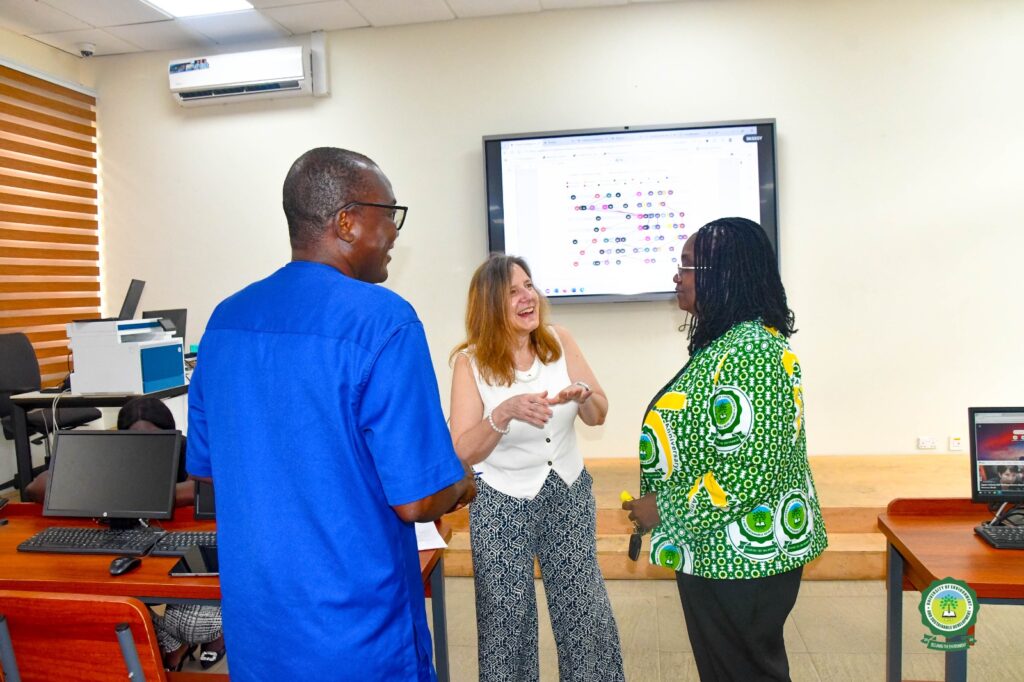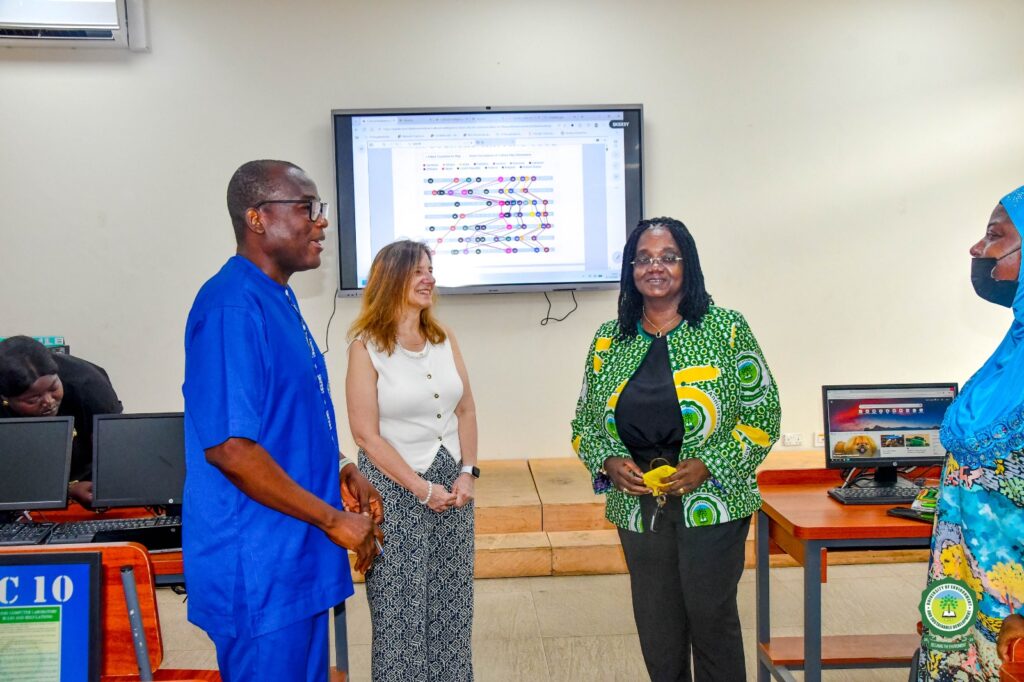
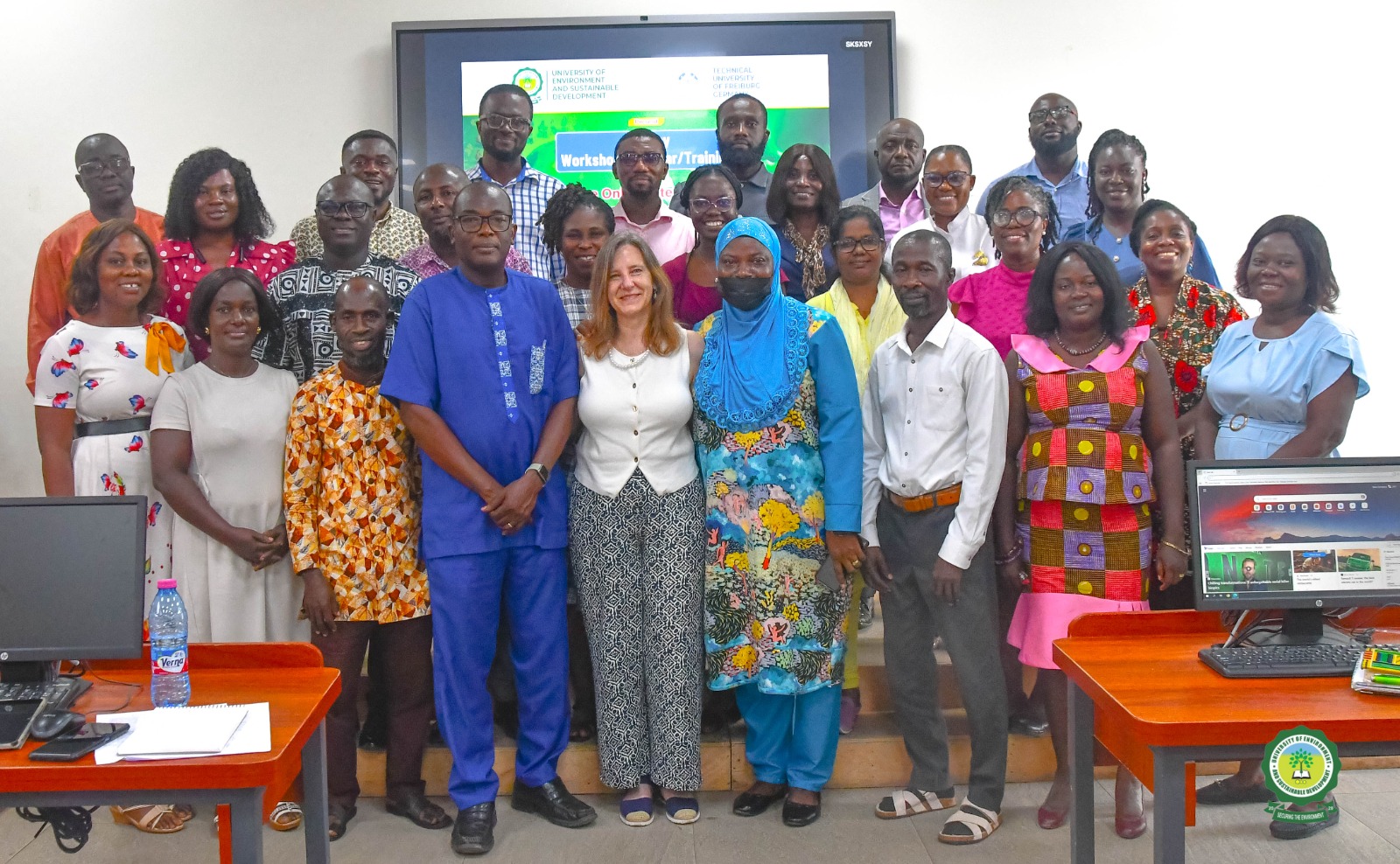
The University of Environment and Sustainable Development (UESD), Somanya, Eastern Region, in partnership with the Technical University of Freiberg, Germany, has organised a three-day seminar under the Collaborative Online International Learning (COIL) initiative for staff and students.
The seminar is part of ongoing academic exchange activities under the Erasmus Programme, which promotes international collaboration, improves teaching and learning, and equips participants with global skills.
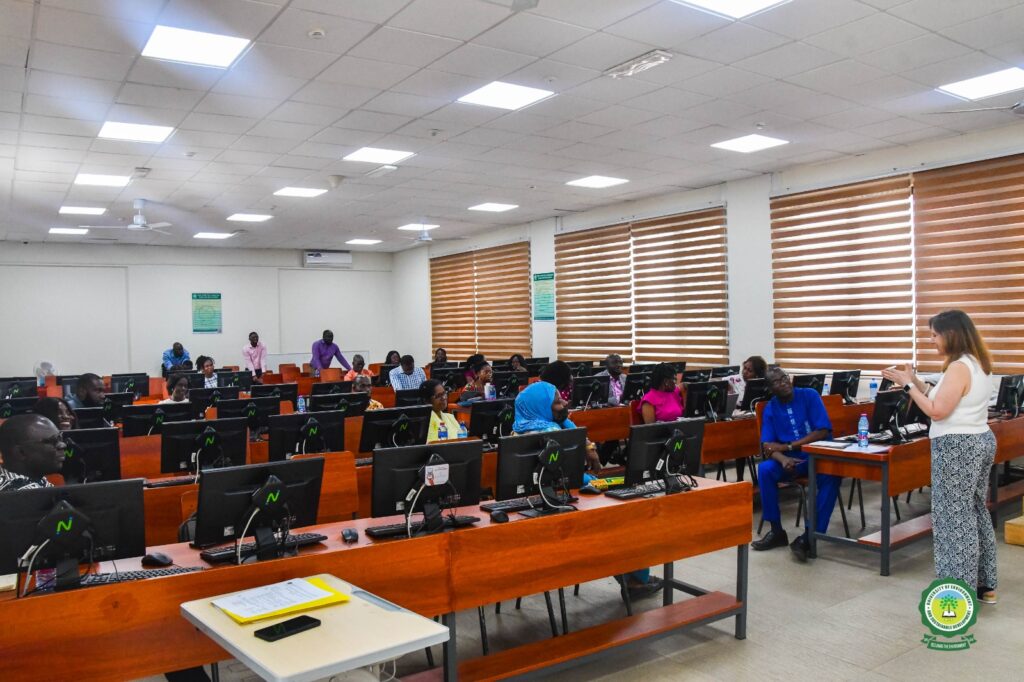
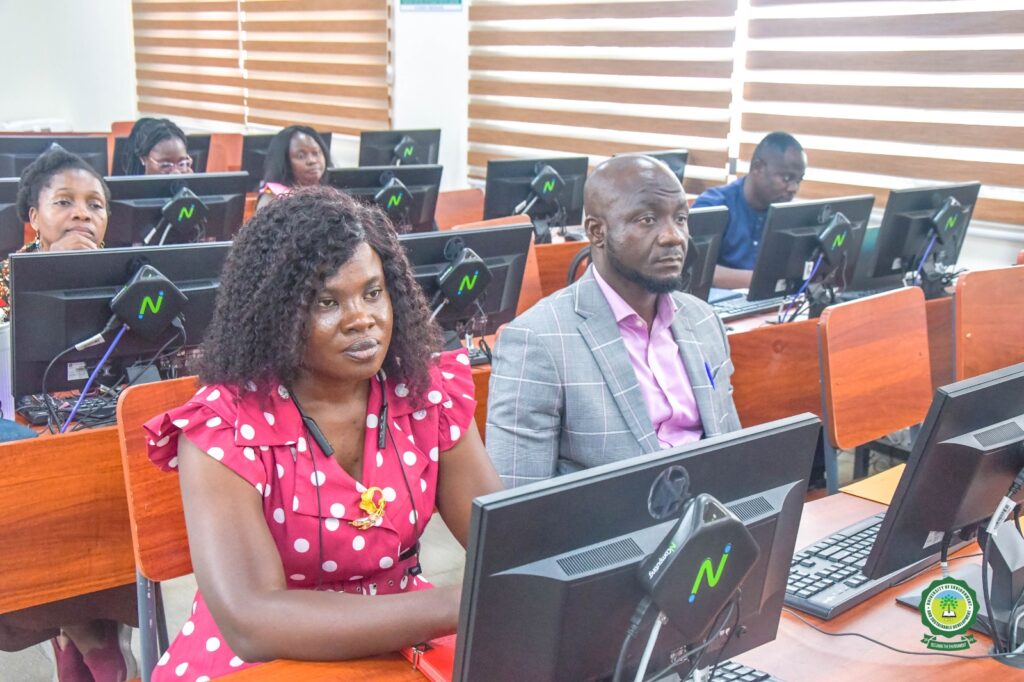
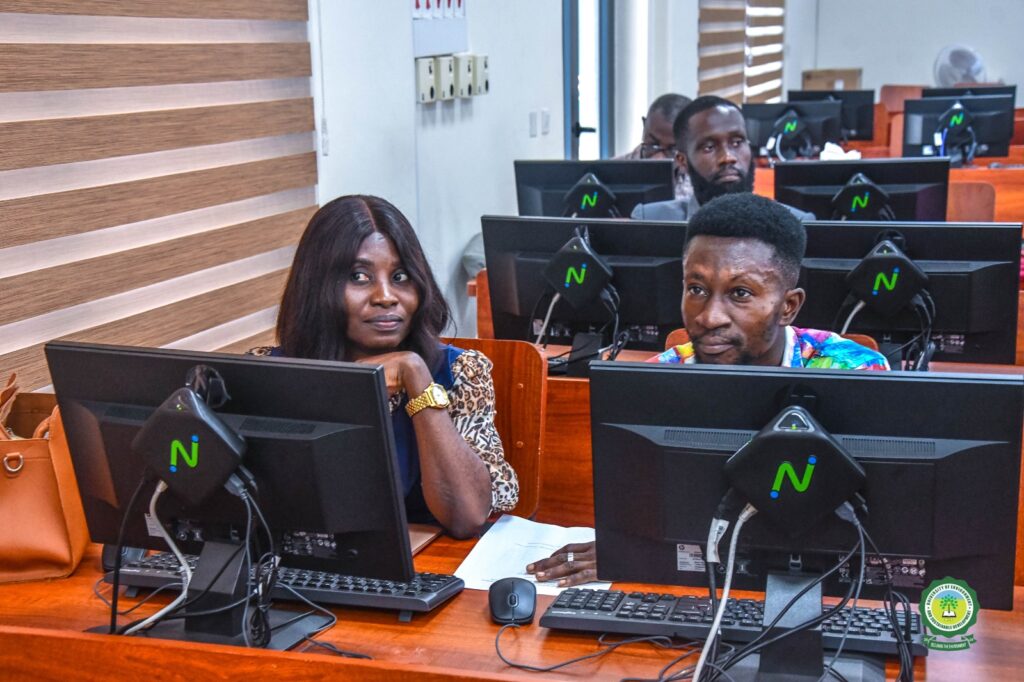
Chairman for the seminar, Prof. Shine Francis Gbedemah, underscored the importance of international partnerships in advancing the University’s vision. He noted that the COIL initiative provides a unique platform for knowledge sharing and intercultural engagement, enabling both staff and students to benefit from global academic exposure without the need for physical mobility.
The Erasmus Programme Coordinator at UESD, Dr. Fatima Eshun, introduced the guest facilitator, Darlene Ann Kilian, a Visiting Scholar from TUBAF.
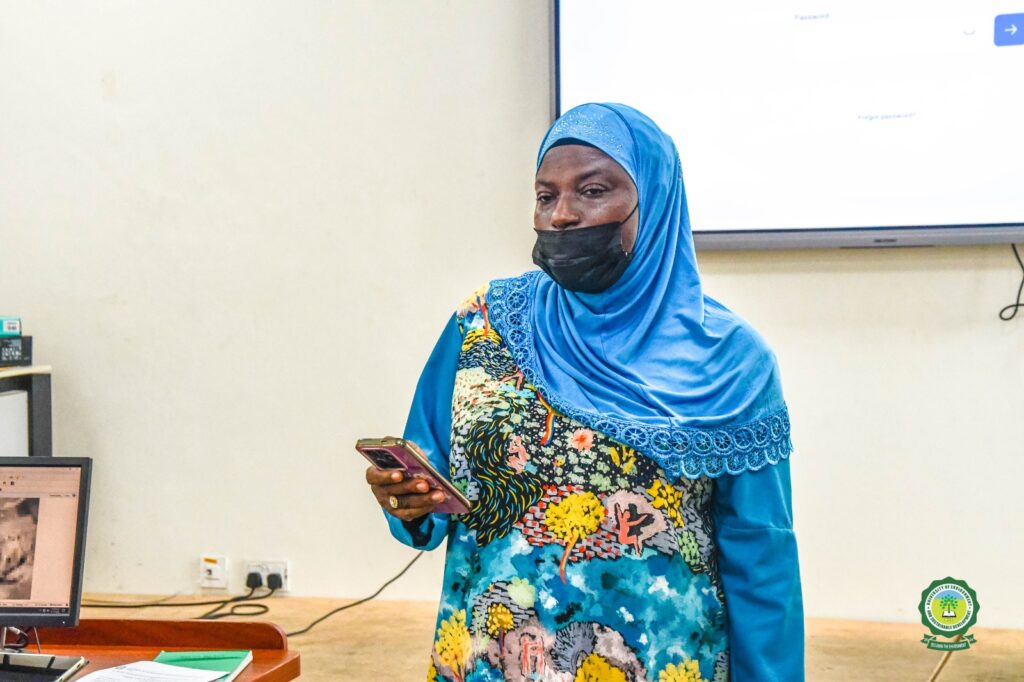
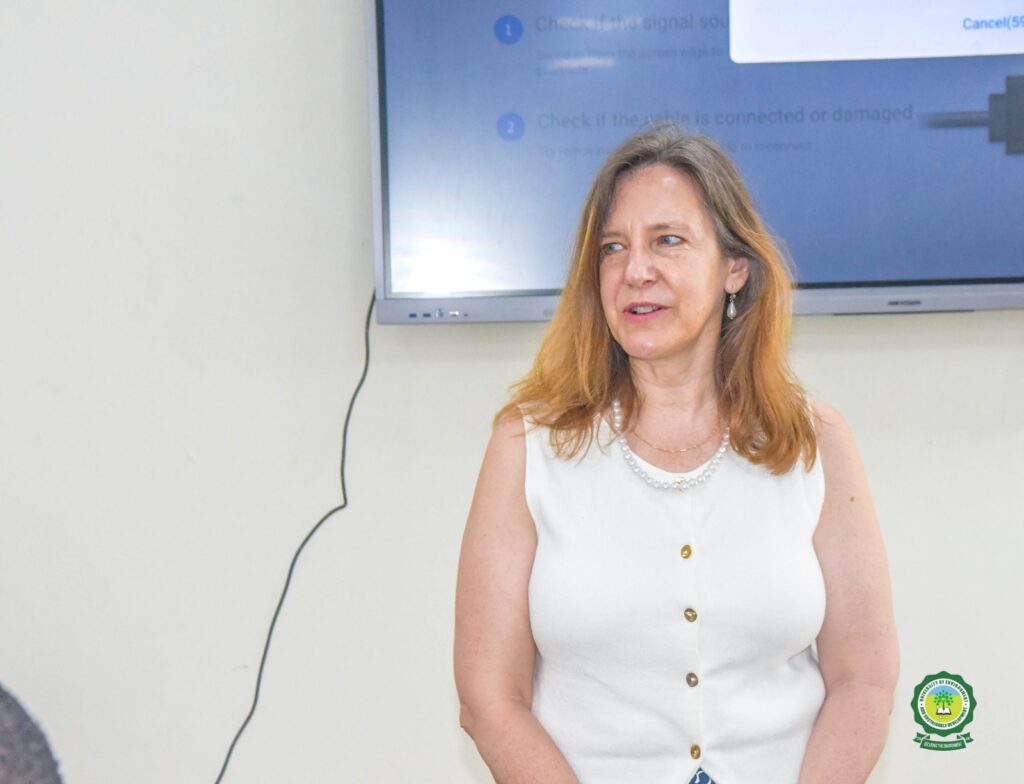
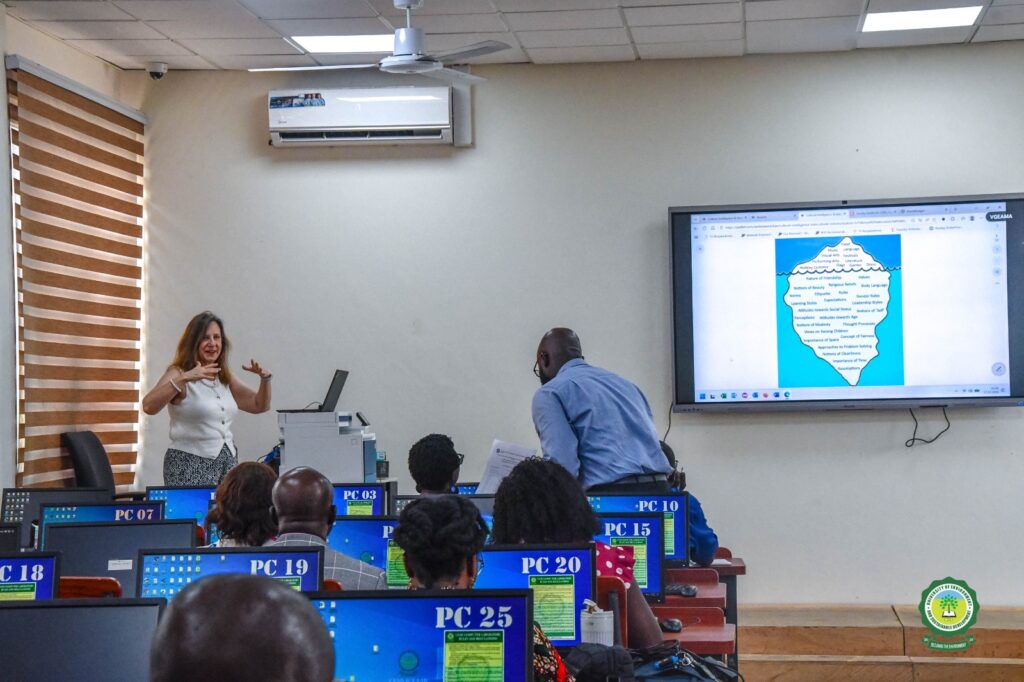
In her presentation, Ms. Kilian highlighted ongoing collaborations between UESD and TUBAF, including the Yamaya Project, which has supported doctoral training and faculty exchanges. She also introduced a newly established programme offering selected Master’s students the opportunity to study in Freiberg for a full semester. She encouraged participants to take advantage of these opportunities and develop an interest in experiencing the German educational system.
She further discussed influential frameworks developed by scholars such as Geert Hofstede, Erin Meyer, and David Livermore, focusing on cultural dimensions and cultural intelligence as essential tools for navigating global environments.
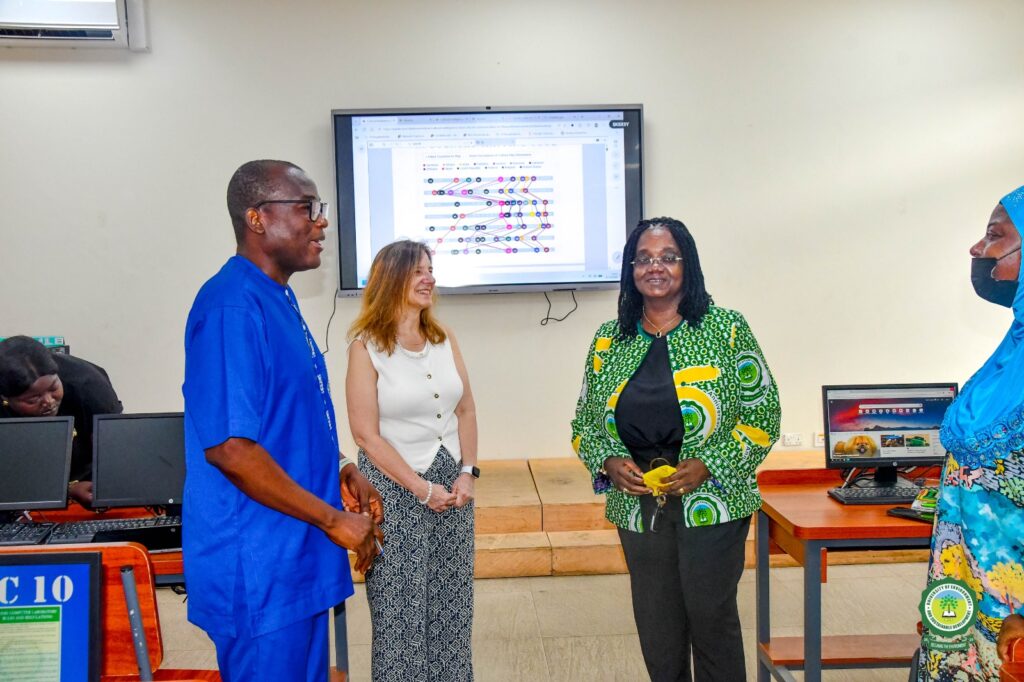
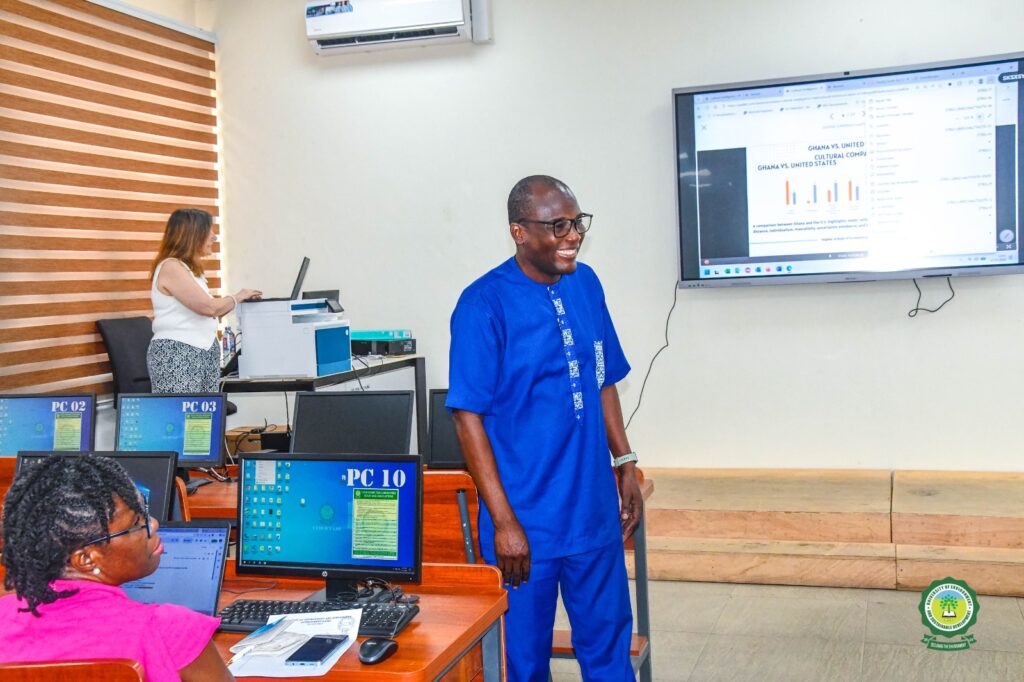
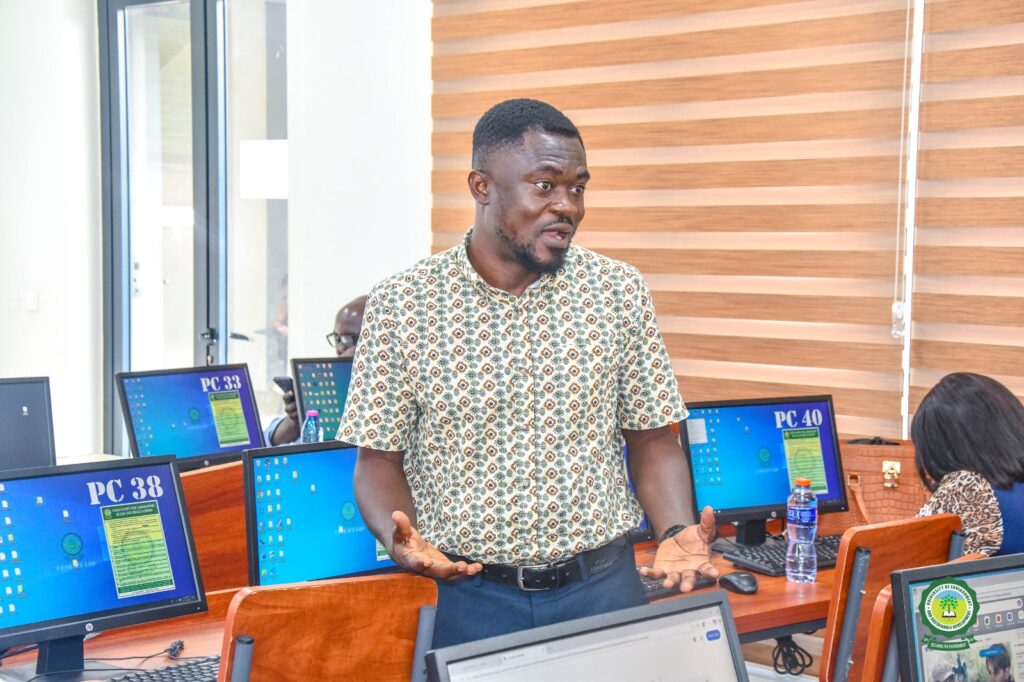
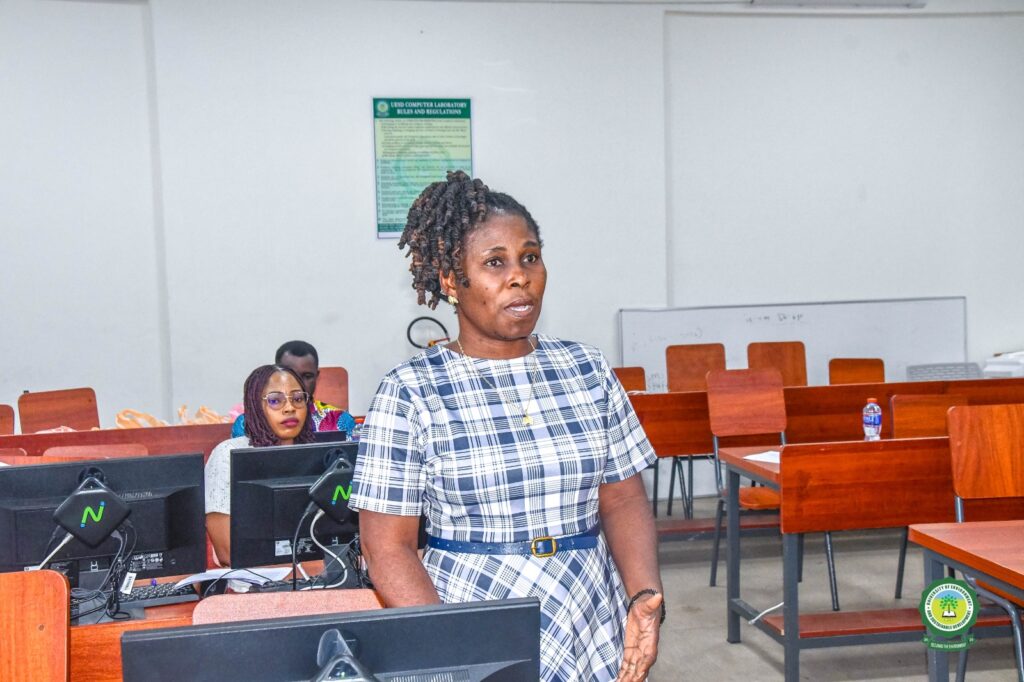
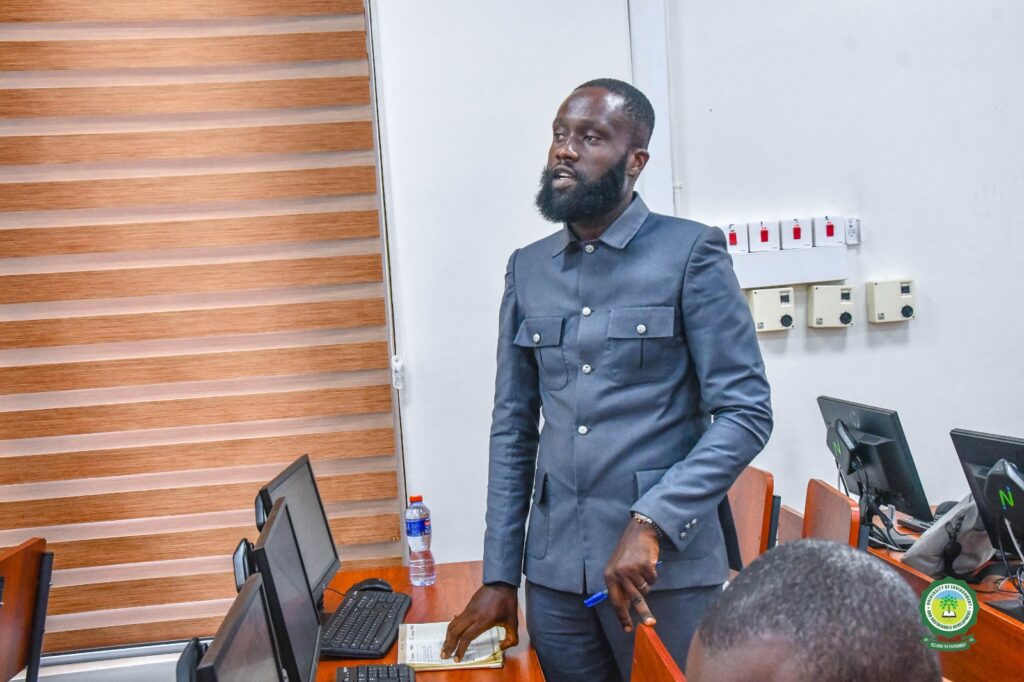
Additionally, Ms. Kilian introduced digital learning tools, such as Padlet, which enabled participants to access shared resources, collaborate, and extend learning beyond the seminar sessions. internationalisation and strengthened its strategic partnership with TUBAF. It also highlighted the growing importance of virtual exchange initiatives such as COIL in fostering global collaboration, inclusivity, and innovation
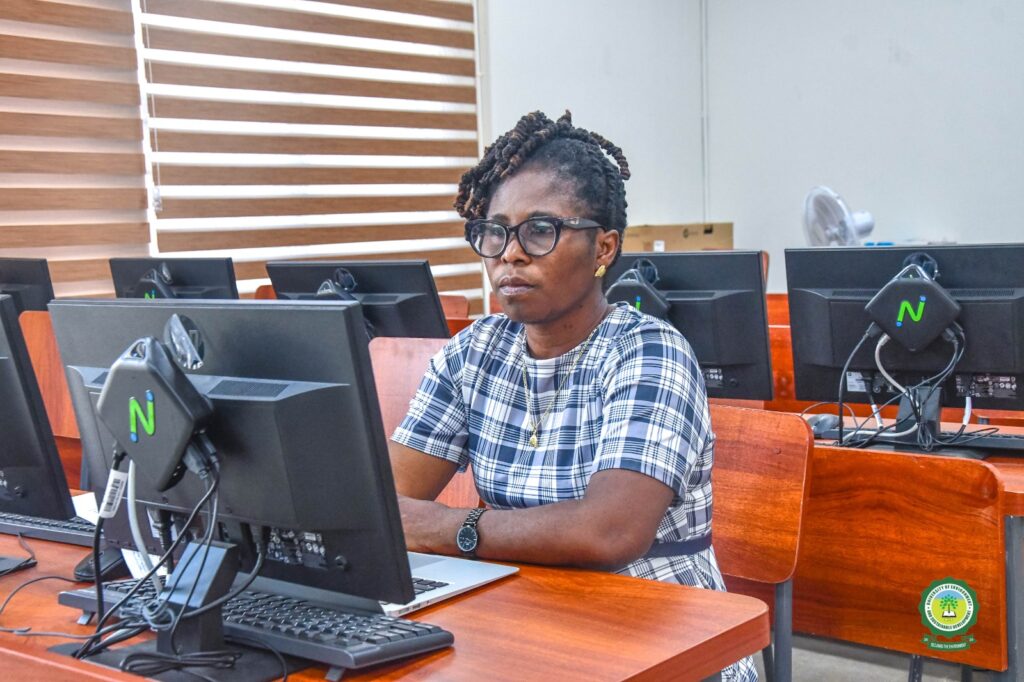
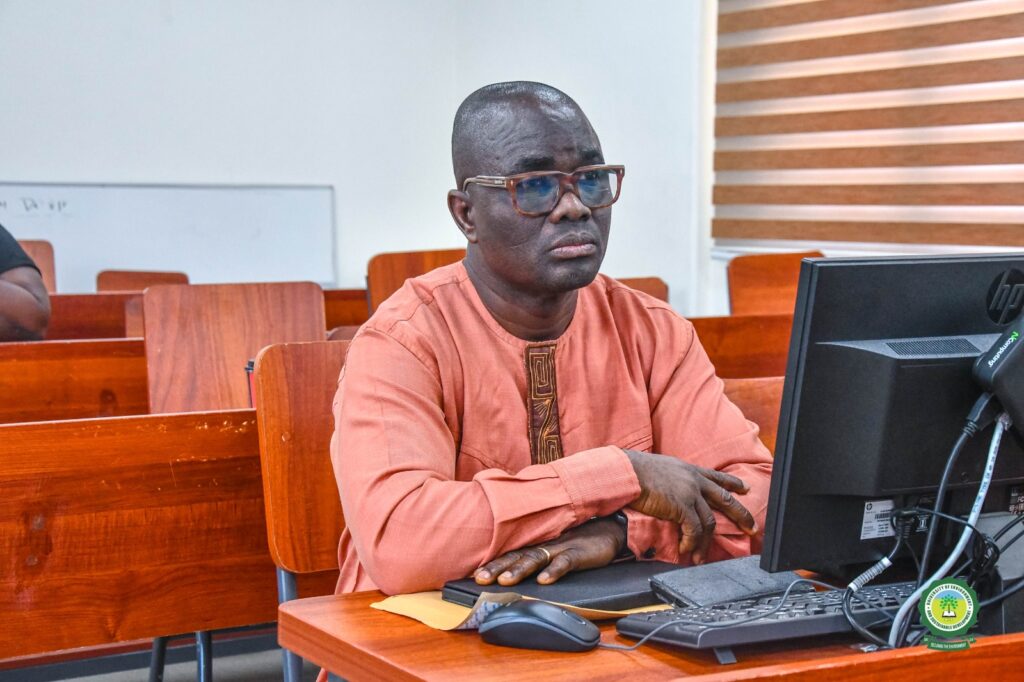
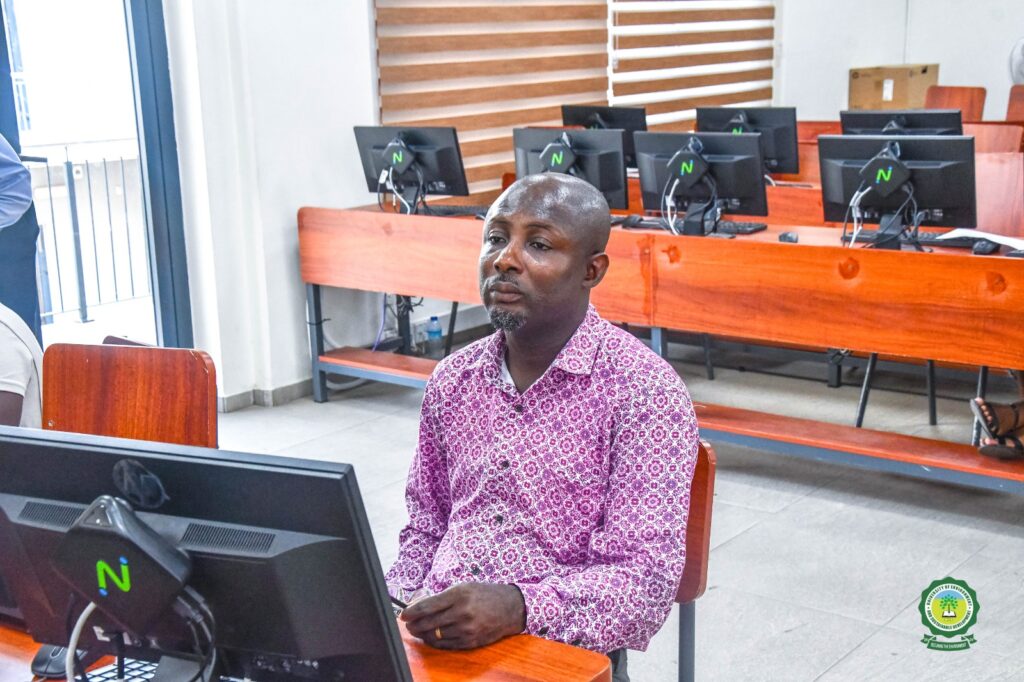
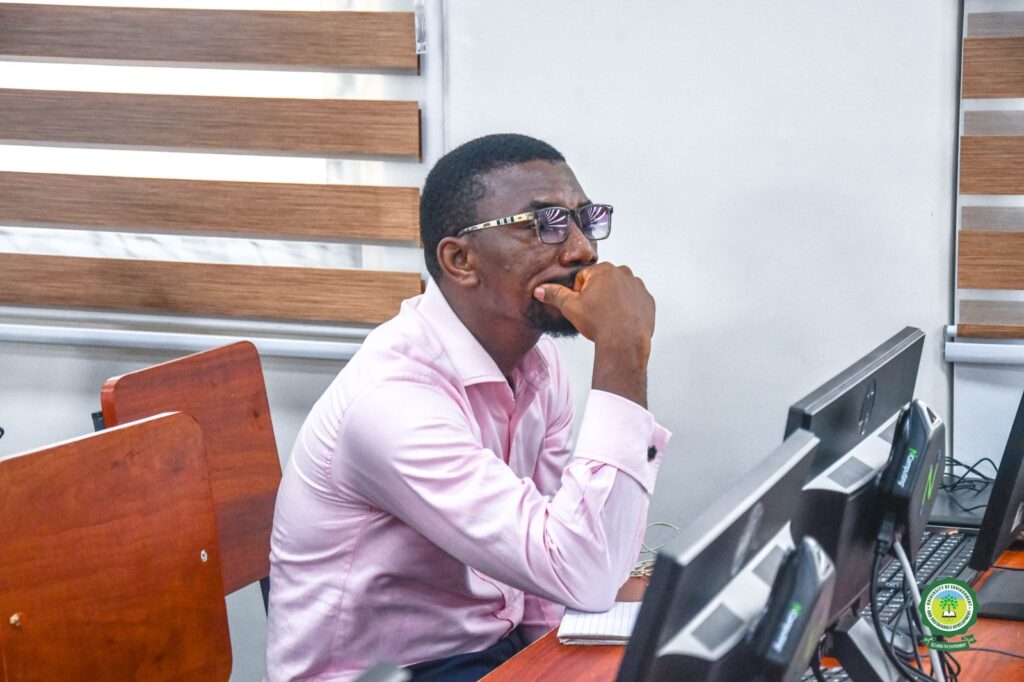
The seminar featured interactive case studies that allowed participants to examine real-life intercultural scenarios and develop practical strategies for effective communication across diverse environments. Key issues explored included leadership styles, feedback mechanisms, time orientation, and relationship-building within different cultural contexts.
Day Two of the seminar featured training sessions on Collaborative Online International Learning (COIL) and Project-Based Learning (PBL) methodologies for both academic and administrative staff. Day Three was dedicated to academic communication support, particularly for students and staff preparing for international engagements. These sessions focused on cross-cultural communication, academic presentations, and effective participation in global academic settings, equipping participants with the confidence and competence required for meaningful international collaboration.