
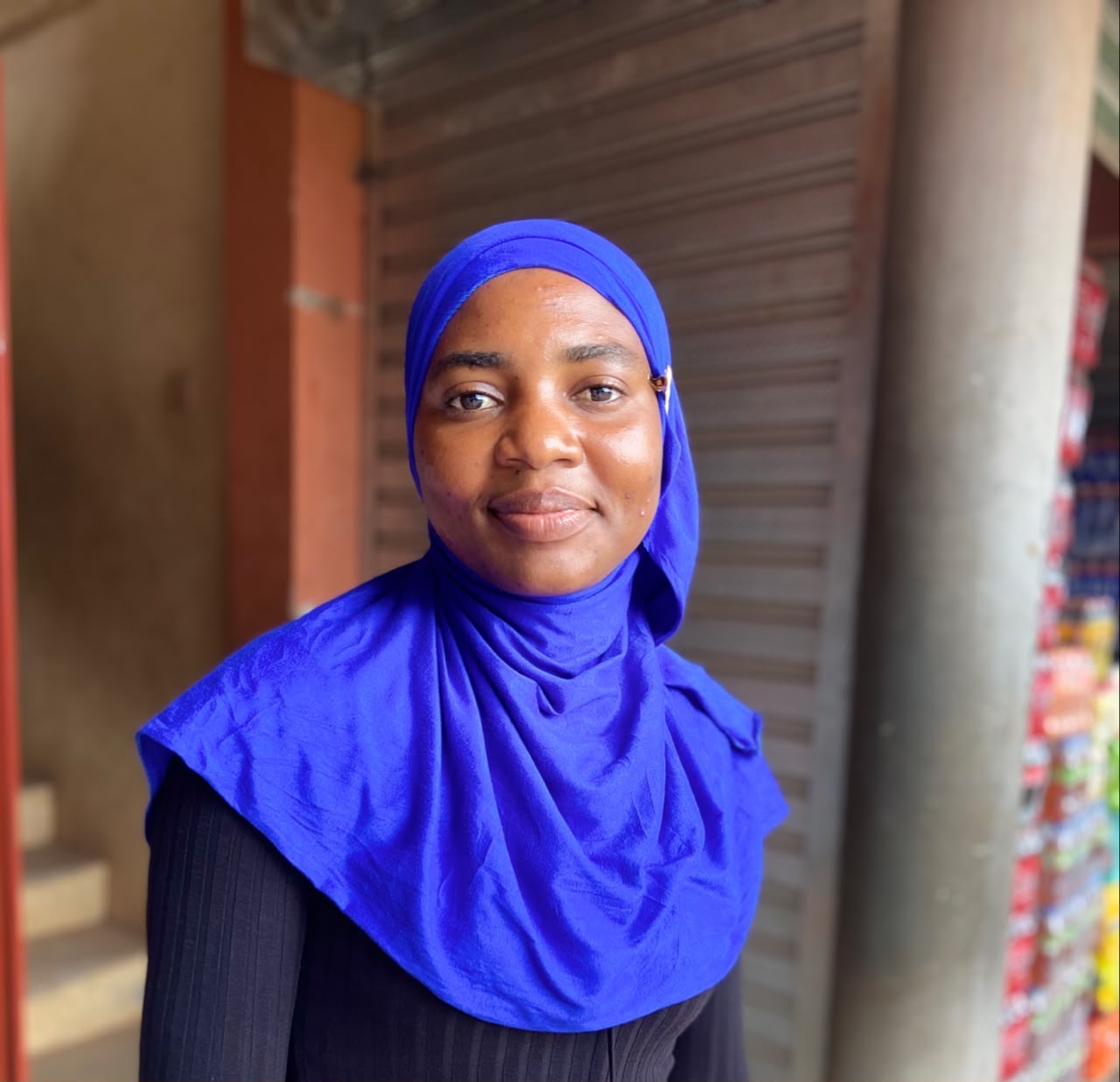
What if the most valuable thing a University could produce is not a degree, but a person whose character cannot be bought?
That question lies at the heart of the story of Asana Abubakar Daasibi, a Level 400 student of Environment and Public Health at the University of Environment and Sustainable Development (UESD), Somanya, whose decision to return six thousand (GH¢6,000.00) mistakenly credited to her bank account has earned her national admiration and a GH¢10,000 reward from GCB Bank PLC.
Many have celebrated Asana’s honesty. Others have praised GCB Bank for recognising and rewarding integrity. Both are deserved, but beyond the headlines, Asana’s story raises a more profound question: Where does such integrity come from?
At UESD, the answer begins long before students enter a lecture theatre. Every new student is introduced to a unique values-based orientation known as the HOPE Roadshow. It is not the typical orientation programme that focuses only on academic regulations, course registration, or campus life. Instead, it is an intentional effort to shape character from day one.
The HOPE Roadshow extends beyond students to include staff and Management, reinforcing UESD’s shared values across the University community. By engaging everyone, it fosters a culture where these values are consistently reflected in leadership, service, and everyday interactions.
Students are challenged to understand that becoming a UESD graduate means embracing the University’s core values of Honesty, Opportunity, Perseverance, and Enterprising (HOPE). They are reminded that while knowledge can earn them qualifications, it is character that will earn them society’s trust.
These conversations continue throughout students’ academic journey—through teaching, community engagement, leadership programmes, and everyday campus life. The goal is to produce graduates whose competence is matched by conscience while fostering a University community where staff, Management, and students embody the values they promote.
For the Vice-Chancellor, Professor Eric Nyarko-Sampson, Asana’s decision is powerful because it suggests those lessons are taking root. When she chose to return money that did not belong to her, she was not merely obeying the law. She was living the values that UESD deliberately seeks to cultivate. That is why her story is seen not as an isolated act of honesty but as evidence that the University’s philosophy of education is working.
It is a story about values and the choices young people make when no one is watching. It is about the kind of graduates Universities should strive to produce and the kind of society Ghana hopes to build. That is why Asana’s honesty represents something much bigger than a banking transaction. “It confirms that the values we deliberately instil in our students are taking root,” he says.
Professor Nyarko-Sampson has consistently maintained that Universities must be judged not only by the qualifications they award but also by the character of the graduates they produce. While academic excellence opens doors, integrity determines how far one goes and the impact one makes. “We are committed to producing graduates who will distinguish themselves through integrity and become responsible leaders in society,” he emphasises.
That commitment lies at the heart of UESD’s Mission: to produce graduates equipped with relevant knowledge and skills to become agents of change in environment and sustainable development. For the University, sustainable development is impossible without ethical leadership. Communities thrive with trust, institutions flourish with honesty, and environmental stewardship succeeds with accountability.
Asana’s story is more than a personal success; it demonstrates that education extends beyond lectures, examinations, and degrees to shaping values that guide every decision. As Prof Nyarko-Sampson says, “We are committed to producing graduates who will distinguish themselves through integrity and become responsible leaders in society.” Increasingly, those words are reflected in the lives of UESD students.
Previous incidents, including the return of a lost wallet with all its contents intact, and an iPhone 16 among others, are further evidence that the University is building a culture where honesty is not exceptional but expected.
In an age when success is too often measured by wealth, influence, or academic certificates alone, UESD is making a different statement: the true measure of education is the character it builds.
Asana’s story also reminds us that integrity often begins quietly. She did not return the money because she expected applause. In fact, after reporting the mistaken transfer, she simply went back to her studies. It took the thoughtful intervention of a colleague, who believed such honesty deserved public recognition, to bring her story to light. By sharing it on Facebook and urging GCB Bank PLC to acknowledge her conduct, that colleague transformed a private act of integrity into a national conversation about values.
GCB Bank PLC equally deserves commendation for responding positively. Rather than allowing the incident to pass unnoticed, the Bank chose to celebrate honesty. Its decision to reward Asana, appoint her as a Bank ambassador, and offer her a National Service opportunity sends a message that Ghana needs now more than ever: integrity should not only be expected-it should be celebrated.
Asana’s story should resonate beyond UESD, challenging universities to consider not only the knowledge they impart but also the values they nurture. It reminds students that character is defined by the choices made when no one is watching and that national development depends on citizens whose honesty builds trust and strengthens institutions.
Long after the 10,000-cedi reward is spent, Asana Abubakar Daasibi’s greatest legacy will be the reminder that education fulfils its highest purpose when it produces graduates whose integrity is their greatest qualification.
Perhaps that is the real story. Not that a student returned money. But that a University set out to produce graduates of integrity, and one young woman showed Ghana what that looks like.