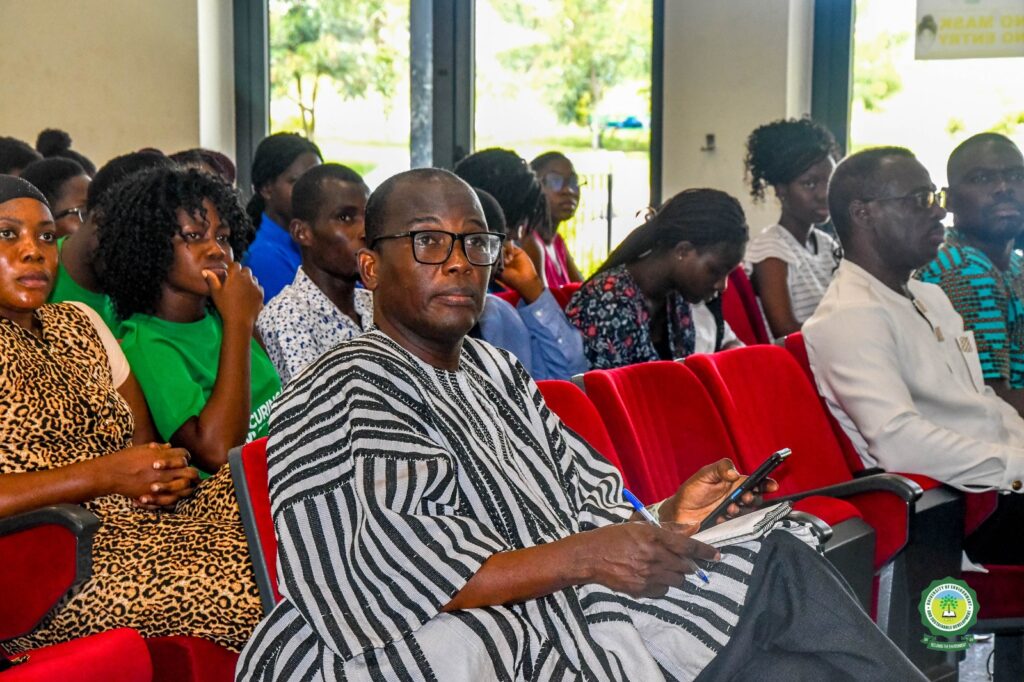
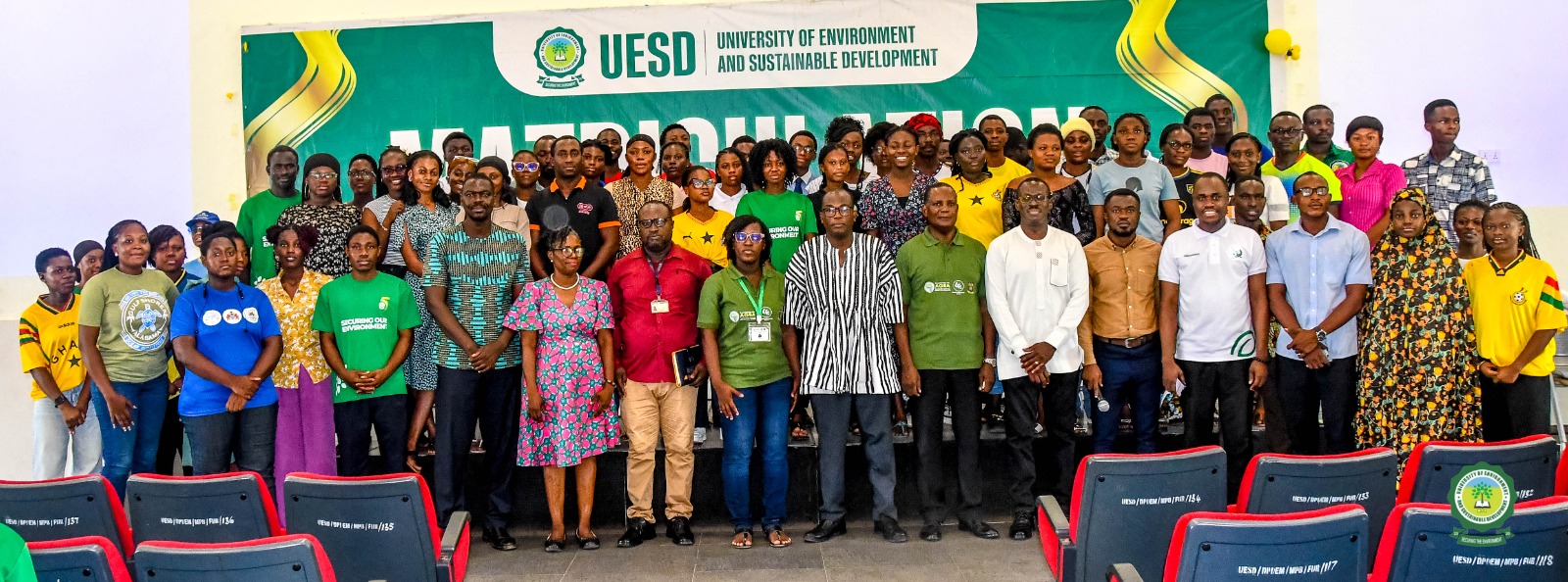
The School of Sustainable Development (SSD) and the School of Natural and Environmental Science (SNES) have organized a seminar to equip young people with practical, employable skills in Ghana’s food system under the Empowering Youth with Employable Skills (EYES) Project.
The seminar, held in collaboration with the Alliance for a Green Revolution in Africa (AGRA), the Leventis Foundation Ghana, and the University of Ghana, brought together students, faculty, and development partners to discuss pathways for youth employment in agriculture.




In his opening remarks, the Dean of SNES, Prof. Shine Francis Gbedemah, raised concerns about the growing unemployment situation in Ghana and challenged participants to rethink their career paths. He asked, “Who doesn’t want to be employed, and who wants to be self-employed?” stressing that the country’s employment situation is serious. He encouraged students and staff members to take advantage of such opportunities to acquire additional skills that could supplement their income and prevent them from joining the ranks of unemployed graduates.

Speaking on behalf of the Dean of SSD, Prof. Micheal Tuffour, the Head of Department of Sustainable Development and Policy described the EYES Project as a very good programme and urged students to take full advantage of it. He explained that the initiative aligns with key Sustainable Development Goals of the United Nations, including poverty reduction, zero hunger, quality education, and decent work.
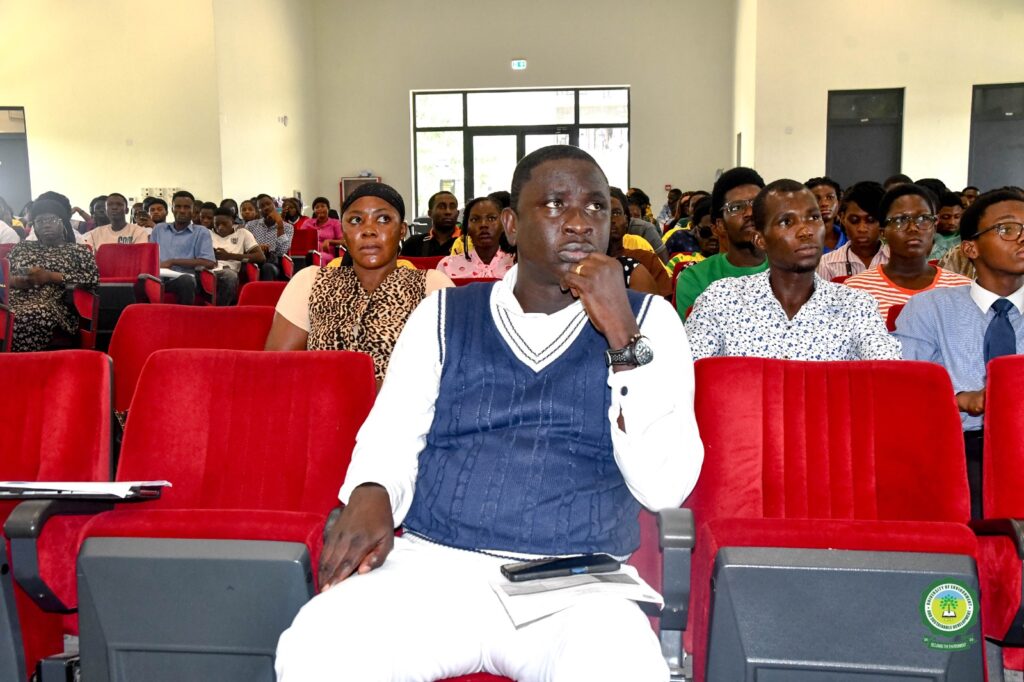
Providing an overview of the project, National Coordinator of the EYES Project, Ghana, Mr. Ebenezer Budu-Biney, explained that it seeks to address declining youth participation in agriculture and low adoption of technology in the sector. He noted that Ghana faces a challenge with an aging farming population and warned that failure to act could worsen the country’s food security situation.



He stated that the project is designed to expose young people,particularly women and persons with disabilities, to opportunities along the agricultural value chain, equip them with practical skills, and support committed participants with starter packs. He added that the initiative bridges the gap between academic training and industry needs, ensuring that participants gain hands-on experience.
Mr. Budu-Biney further highlighted that the project is expanding beyond training centres into communities across five Regions, including the Eastern Region, is targeted at youth between the ages of 18 and 35 and aims to transform traditional farming into a modern, technology-driven and business-oriented sector.
Addressing participants on gender and safeguarding, Ms. Grace Amo, Gender and Safeguarding Officer for the EYES Project, stressed the need for a safe and inclusive learning environment. She explained that the programme is committed to ensuring equal participation, with a strong focus on increasing female involvement.
“We want at least 50 percent participation from women,” she said, adding that the initiative seeks to challenge traditional barriers that limit opportunities for women. She emphasized that safeguarding is non-negotiable, noting that the program maintains zero tolerance for abuse, harassment, and discrimination.
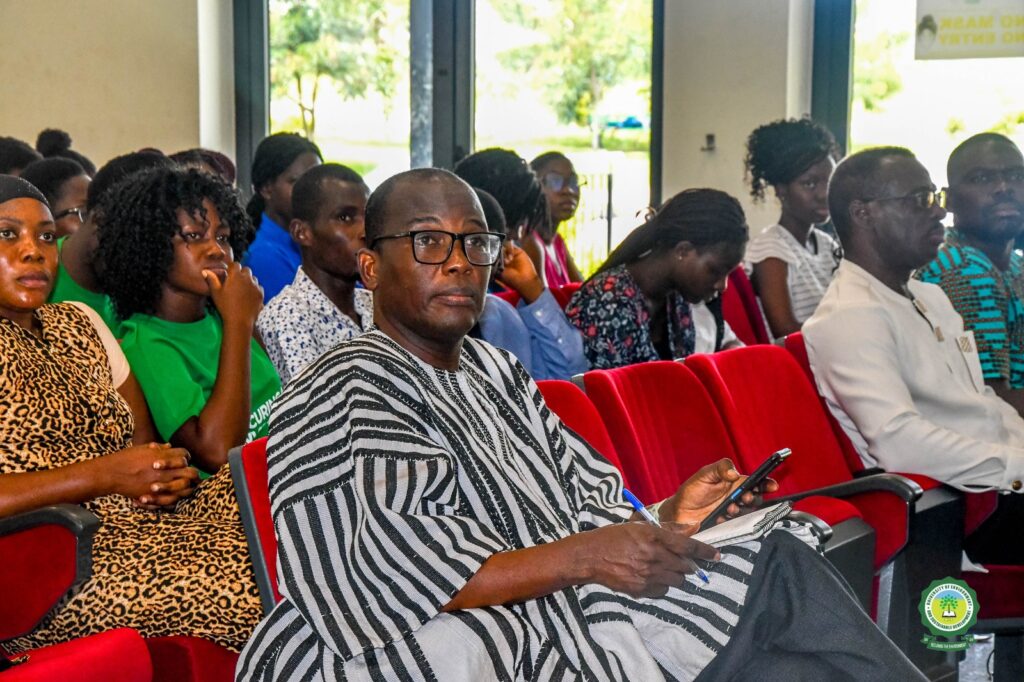


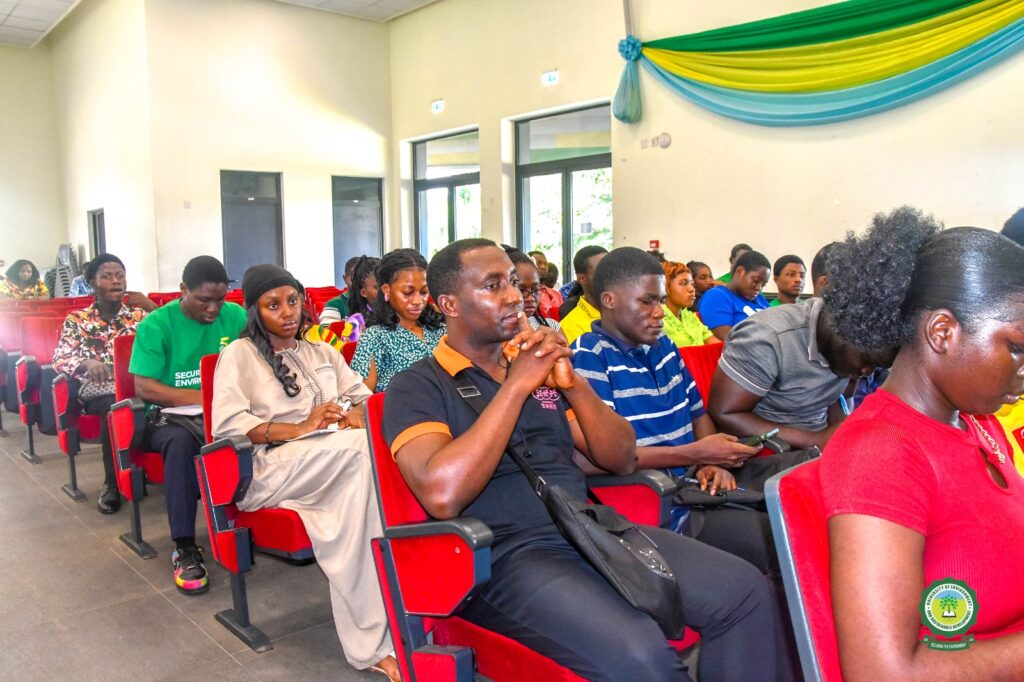
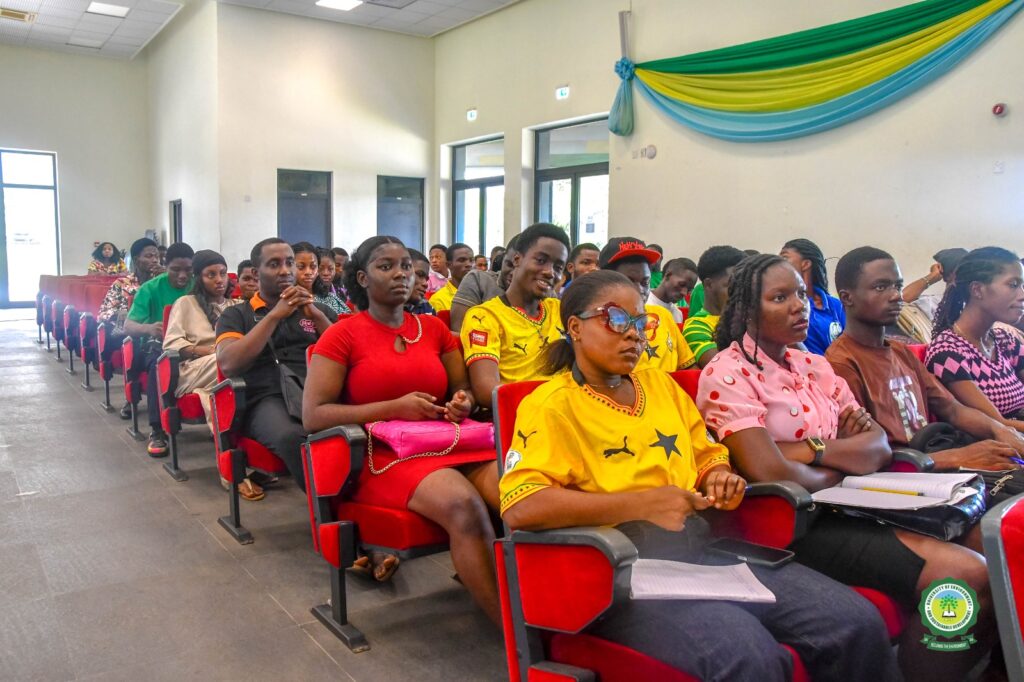
Ms. Amo also outlined expected codes of conduct, urging participants to treat one another with respect and dignity, maintain professional boundaries, and report any form of misconduct. “This program is not just about skills training; it is about ensuring that everyone feels safe, respected, and empowered to succeed,” she stated.
In his presentation on the agricultural value chain, Prof. Ken O. Fening, Monitoring and evaluation officer with the EYES project highlighted the vast opportunities within the sector, describing it as a continuum from production to consumption. He encouraged students to take pride in agriculture and view it as a viable and profitable career path.
According to him, “The money is in the food,” emphasizing that opportunities exist not only in farming but also in processing, transportation, marketing, and value addition. He further urged students to leverage their academic knowledge, particularly in areas such as technology and innovation, to create solutions within the sector. Agriculture offers multiple entry points for entrepreneurship, including small and medium-scale enterprises, which remain key drivers of job creation in Ghana, he concluded.
The seminar ended with an interactive question-and-answer session, where participants engaged speakers on issues related to training opportunities, agribusiness development, and career pathways within the food system.