
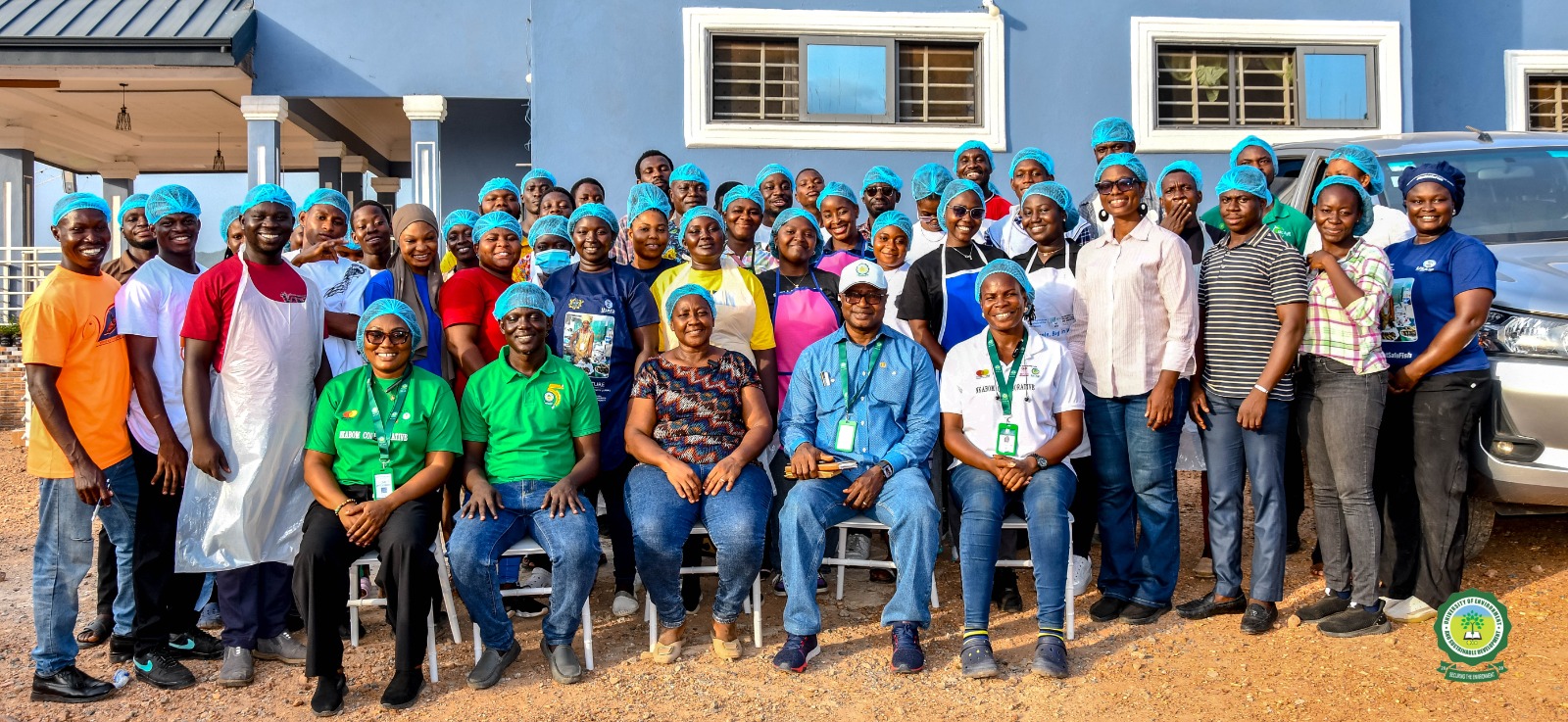
The crackling sound of firewood, the aroma of smoked fish, and the steady movement of hands at work marked a memorable practical session for trainees in Cohort One of the Nkabom Collaborative-UESD Training in Fish Processing Technology.
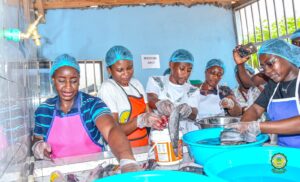
After five days of intensive classroom engagement on campus, participants from the University of Environment and Sustainable Development (UESD) were taken into the field for hands-on training with renowned fish processor, Madam Doris Hagan, a seasoned practitioner with more than two decades of experience in the industry.
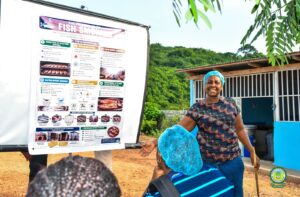
At her processing site in Atimpoku, Madam Hagan exposed the trainees to the practical realities of fish smoking, value addition, product development, storage, and packaging. The session gave participants the rare opportunity to bridge theory with practice as they actively engaged in cleaning, preparing, smoking, and packaging fish products.
Madam Hagan, who has trained several organisations, groups, and individuals over the years, demonstrated various techniques that improve fish quality, preserve nutritional value, and increase market appeal.
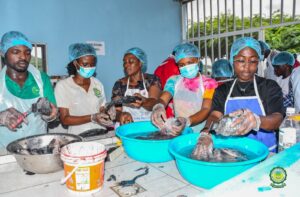
Participants also learned innovative ways of reducing waste and turning by-products into useful products such as fish oil, fertilizer, and powdered fish products.
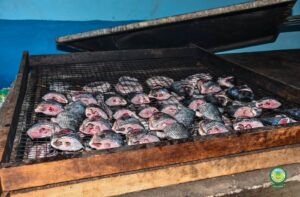
In separate interviews, participants described the training as practical, insightful, and transformative, saying it had exposed them to modern fish processing techniques, value addition, packaging, and business opportunities within the fisheries sector. Some participants who were already into fish processing noted that the programme had broadened their knowledge and introduced them to improved methods of reducing waste and increasing income. Others who were new to the sector expressed interest in venturing into fish processing after the training, stating that the hands-on practical sessions at Atimpoku had boosted their confidence and inspired them to explore entrepreneurship opportunities in aquaculture and fish processing.
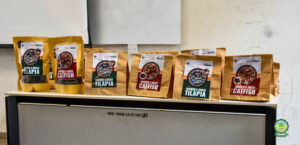
The five-day training session ended with a closing ceremony at the University. In his remarks, the Vice-Chancellor and Principal Investigator of the Nkabom Collaborative-UESD project, Prof. Eric Nyarko-Sampson, expressed satisfaction with the outcome of the five-day Fish Processing Technology training and congratulated participants on their commitment. He noted that interactions with participants showed the impact of the programme and highlighted the importance of the broader Young Africa Works initiative in equipping young people with practical skills for sustainable livelihoods.
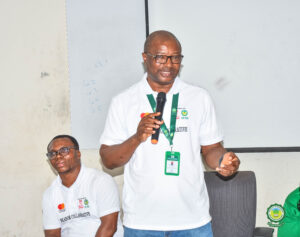
He encouraged participants to continue sharing the knowledge acquired and to take advantage of opportunities available through the UESD Innovation and Business Hub to develop their ideas and businesses. He also urged both existing and aspiring fish processors to embrace networking and collaboration to ensure growth and success, while assuring participants that the Nkabom Collaborative-UESD project would continue to train and support more young people in aquaculture and agribusiness.
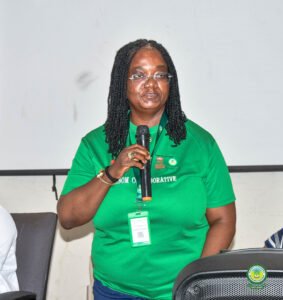
The Project Administrator of Nkabom Collaborative-UESD and Registrar of the University, Mrs. Mary Abena Agyepong, urged the participants to remain connected through the Nkabom Collaborative network, continue sharing ideas, and support one another beyond the training.“Be a multiplier. Train others or talk about this training to people in your community. That is how true transformation will happen,” she added.
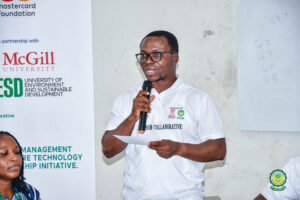
The Education Lead of the project, Prof. Richard Amfo-Otu, also commended the participants for their dedication throughout the programme and encouraged them to translate the knowledge acquired into practical solutions that would help address malnutrition and food insecurity. He explained that fish processing plays an important role in reducing post-harvest losses and improving access to protein-rich food products.
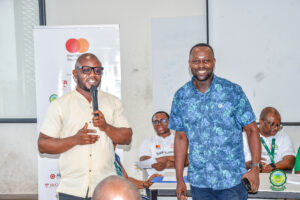
Representatives from the UESD Innovation and Business Hub also interacted with the participants, introducing them to opportunities in entrepreneurship development, networking, mentorship, grant writing, and business incubation. The team encouraged participants with business ideas to work with the Hub to refine and commercialise their concepts.
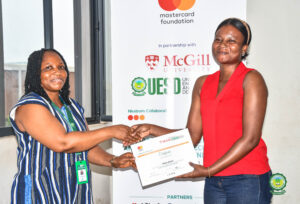
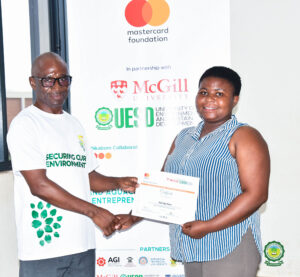
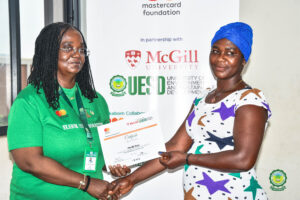
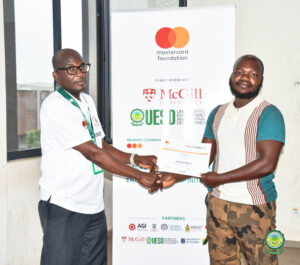
Certificates were presented to the 41 participants who completed the training.
The Nkabom Collaborative-UESD initiative continues to equip young people and entrepreneurs with practical skills in sustainable aquaculture and agribusiness to improve livelihoods and create employment opportunities.