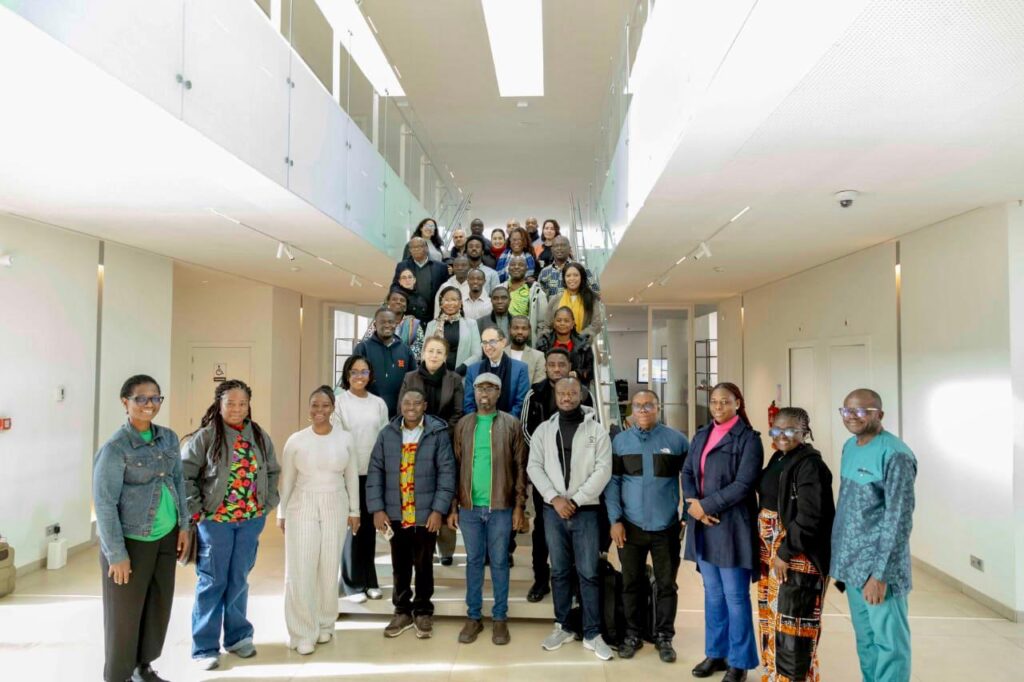
A delegation from the University of Environment and Sustainable Development (UESD), Somanya, Eastern Region, participated in a four-day international immersion programme hosted by the University of Mohammed VI Polytechnic (UM6P) in Ben Guerir, Morocco, aimed at strengthening entrepreneurship, digital innovation, and sustainable AgriFood systems across Africa.
The immersion programme, held from 9-12 February 2026, brought together delegates from the Nkabom Collaborative, including partners from McGill University, Mastercard Foundation, and some African Universities. The initiative forms part of ongoing efforts to equip African youth with entrepreneurial and technological skills capable of driving sustainable economic transformation on the continent
The UESD delegation, led by Prof. Richard Amfo-Otu, Education Lead of the Nkabom Collaborative, included: Dr. Eunice Stella Nyarko – Entrepreneurship Lead, Ms. Cynthia Ameyaa Oduro – Training Coordinator and Hub Manager, and Mr. Ebenezer Ababio Tetteh – Digital Media and IT Systems Manager.
During the programme, participants engaged with UM6P’s innovation ecosystem, exploring entrepreneurship incubation platforms, digital learning infrastructure, applied agricultural research facilities, and industry-linked innovation centres.
The visit provided first-hand exposure to how Universities can integrate entrepreneurship, research, technology, and industry collaboration to create scalable ventures and employment opportunities for young people across Africa.


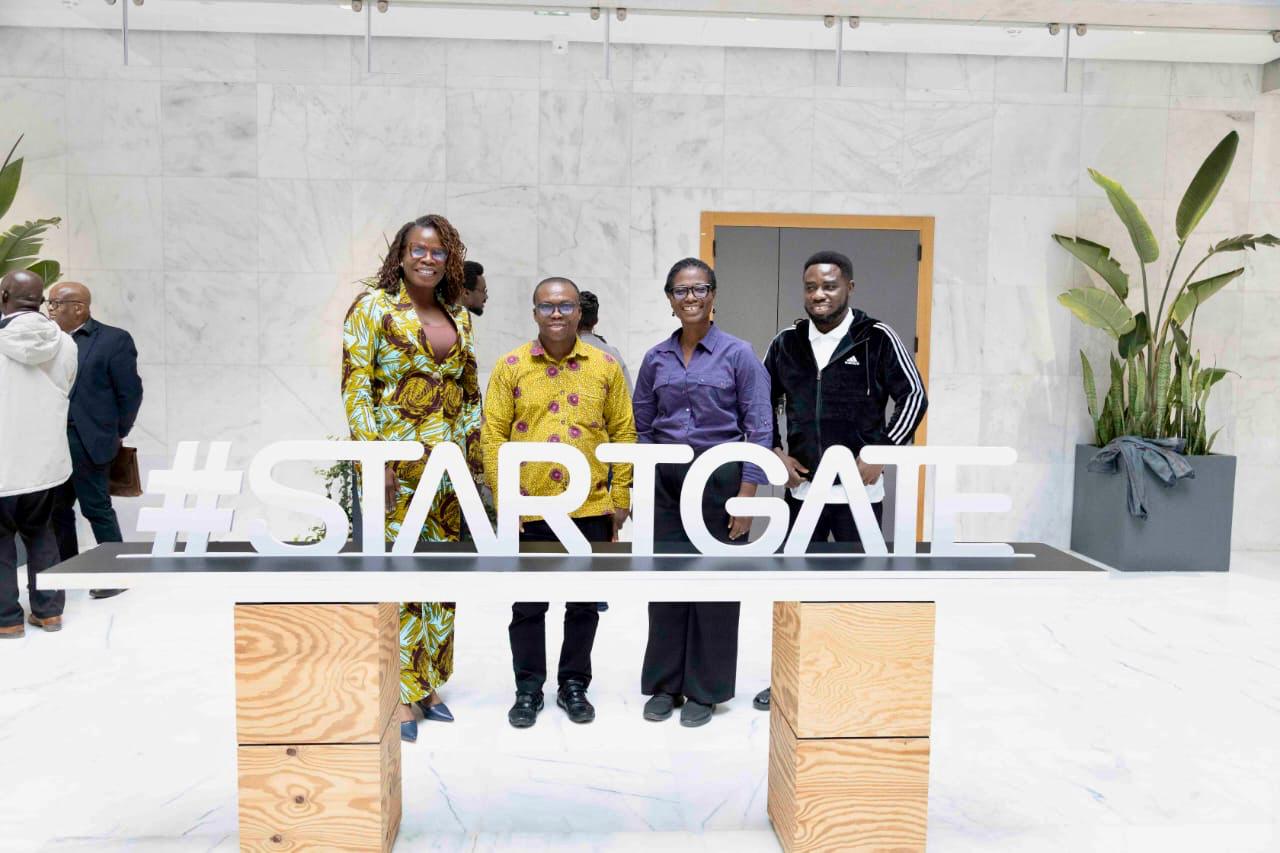
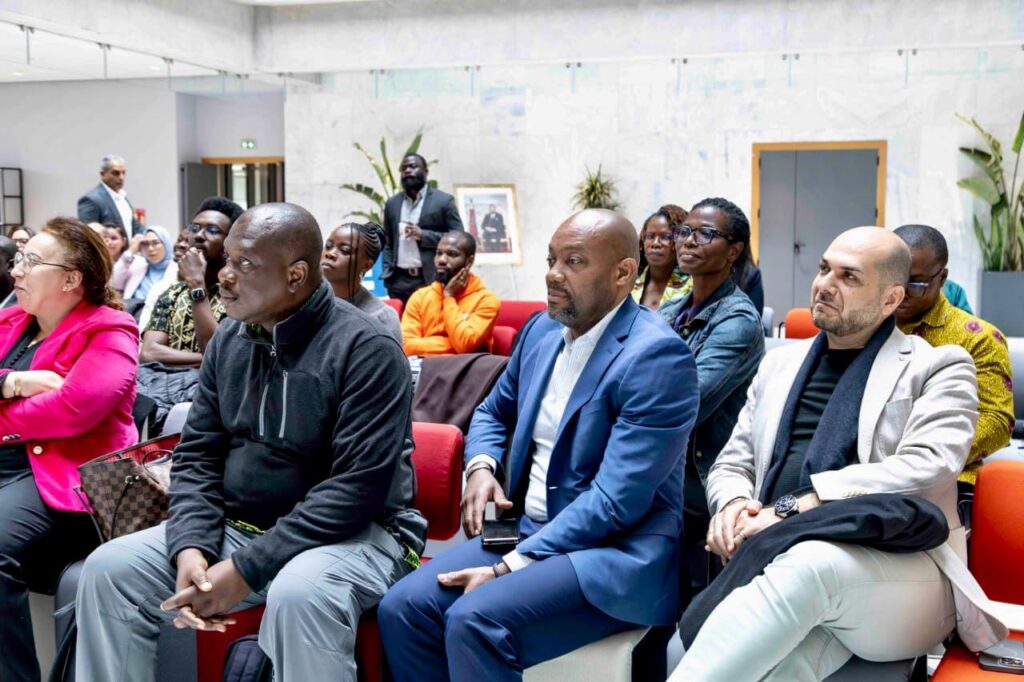
The first day of the immersion focused on StartGate, UM6P’s flagship innovation hub. Delegates interacted with University leadership and explored venture-building initiatives designed to transform academic ideas into market-ready enterprises.
A major takeaway from the discussions was the need for Universities to move beyond traditional teaching roles and become active co-creators of startups, providing mentorship, funding pathways, and market access for student entrepreneurs.
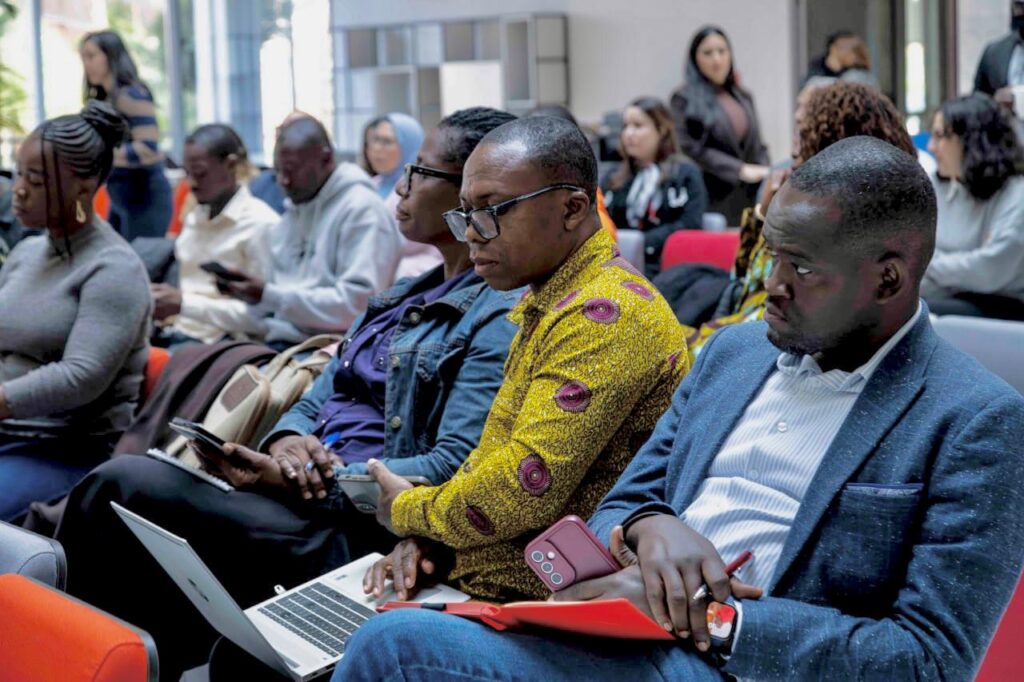
Panel discussions featuring representatives from Ashesi University, McGill University, University of Ghana, KNUST, and UM6P highlighted the importance of University-led venture ecosystems in addressing youth unemployment across Africa
Day two exposed participants to UM6P’s advanced digital infrastructure, including AI-enabled learning laboratories, cloud computing systems, and the Toubkal supercomputer.
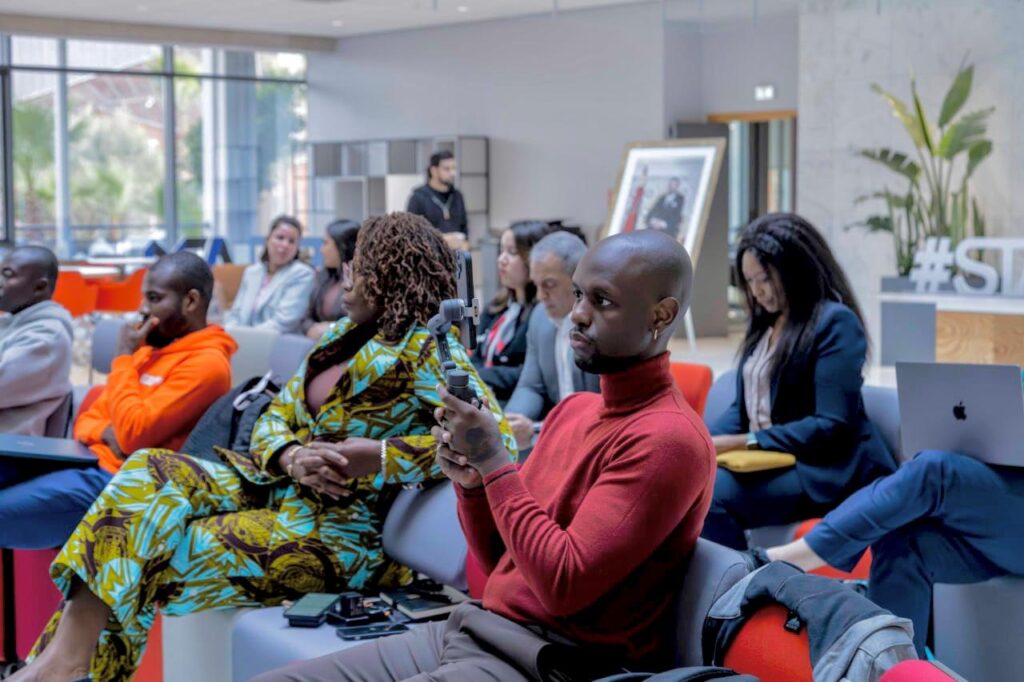
Delegates also visited the innovative 1337 Programme, a project-based technology training initiative designed to build coding and entrepreneurial talent pipelines without traditional academic accreditation.
The sessions emphasised that African Universities must rapidly adopt artificial intelligence and digital platforms to remain competitive in the global knowledge economy.
The third day centred on agricultural innovation and field validation. The delegation toured UM6P’s College of Agriculture and Environmental Science, research laboratories, and experimental farms where technologies are tested under real farming conditions before deployment.
Startups showcased innovations in precision agriculture, soil analytics, and supply-chain monitoring technologies aimed at improving food security and climate resilience. Participants observed how data-driven agriculture and applied research can accelerate agricultural transformation while promoting environmental sustainability.

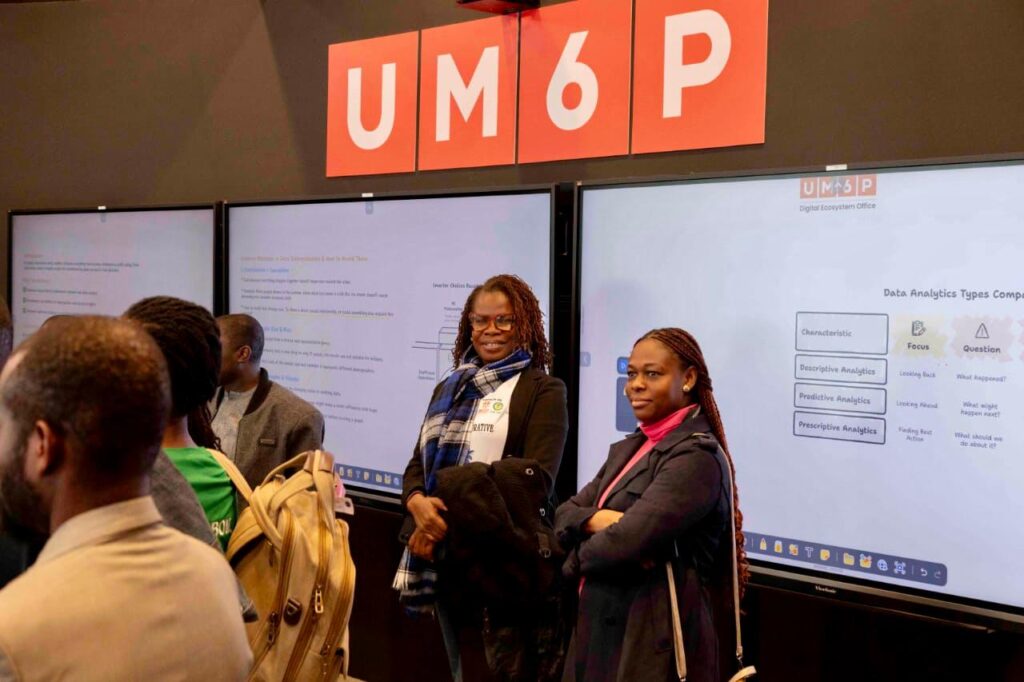
The final day featured visits to UM6P’s Digital Innovation Centre of Excellence (DICE), bioscience laboratories, and career development facilities that prepare students for industry engagement from the onset of their academic journey.
A collaboration debrief session identified several partnership opportunities between UESD, UM6P, and Nkabom Consortium institutions, including:
- Joint innovation hubs and incubators
- Cross-border Agri-tech accelerator programmes
- Digital learning and cloud infrastructure collaboration
- Talent development initiatives across African universities.
The immersion programme provided strategic insights that UESD plans to adapt locally, particularly in:
- Agro-waste management and circular economy solutions
- Sustainable aquaculture technologies
- Entrepreneurship integration across academic programmes
- Digital learning and AI-enabled education systems.
Among the policy recommendations emerging from the visit are the establishment of an Entrepreneurship and Business Development Office, development of digital learning laboratories, and creation of innovation seed funding mechanisms to support student startups
According to the delegation, the experience reinforced the importance of universities serving as innovation platforms that connect research, industry, and talent development.
“The immersion demonstrated how African Universities can become engines of enterprise creation and job generation by integrating entrepreneurship, technology, and applied research,” the team noted in its report.
UESD is expected to work closely with partners within the Nkabom Collaborative and UM6P to implement joint initiatives over the next 24 months, including entrepreneurship laboratories, research collaborations, and exchange programmes for staff and students.
The initiative aligns with UESD’s broader mission of promoting sustainability-driven education and empowering young Africans to develop solutions to local and regional challenges.