
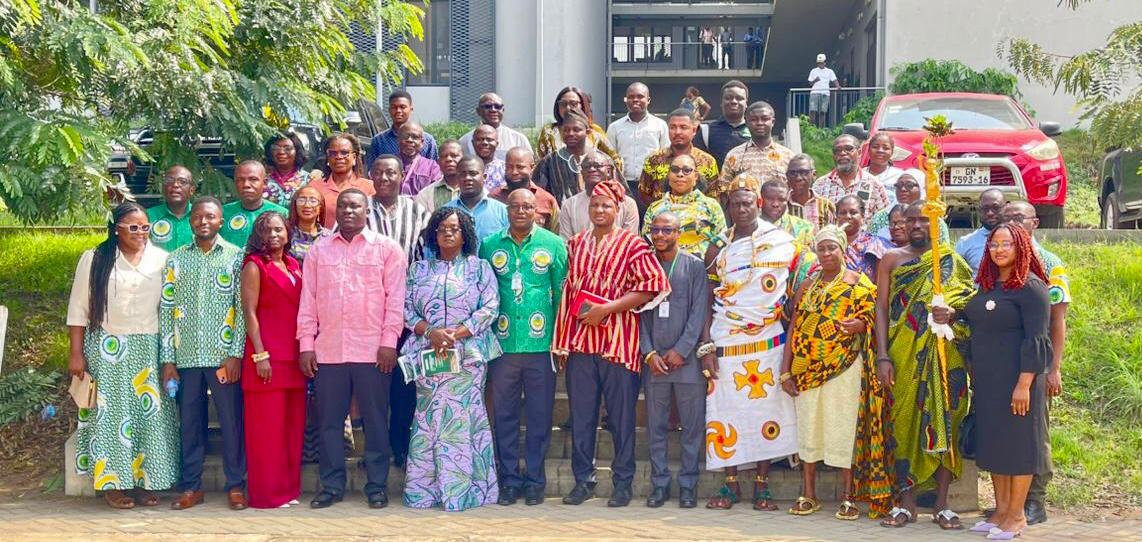
Govt Urged to ‘Nourish’ UESD to Secure Ghana’s Environment Future The Guest Speaker at the University of Environment and Sustainable Development (UESD)’s 6th Commencement Lecture, Prof. Gibrilla Abass, has called on the Government of Ghana to deliberately “nourish” UESD to enable it to deliver fully on its mandate. He noted that the future survival of Ghanaians depends largely on the success of the University, describing UESD as the only public University in Ghana established specifically to safeguard the environment.
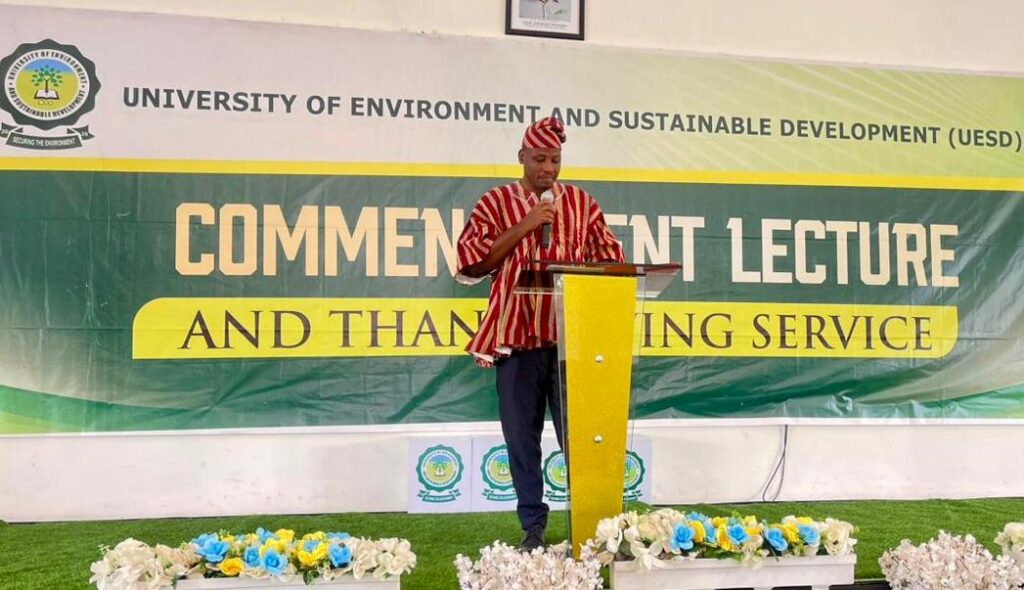

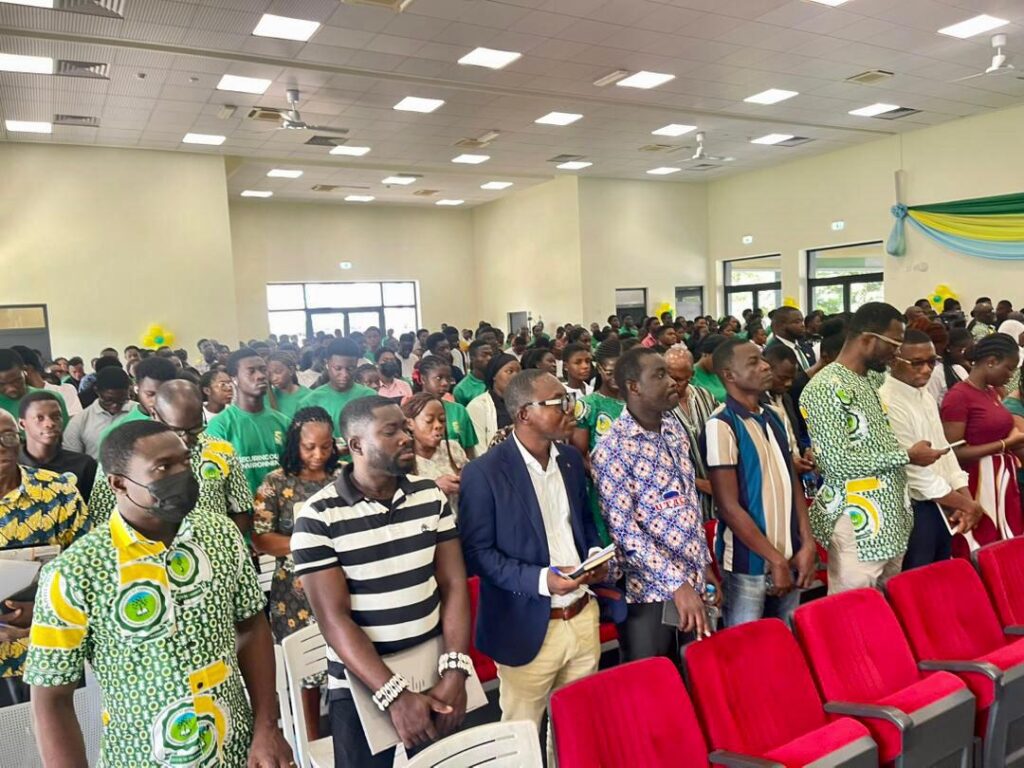
Prof. Abass also called for increased national investment in research to effectively tackle the country’s growing environmental challenges. A Water Resources Scientist and Isotope Hydrologist, Prof. Abass, who is also a member of faculty at UESD, was speaking on the theme “Securing the Environment: Challenging the Galamsey Menace” at the Auditorium, Multi-Purpose Building. The lecture attracted a well-packed audience, including members of the University community, students, representatives of civil society organisations, security services, traditional authorities, environmentalists, and development partners.
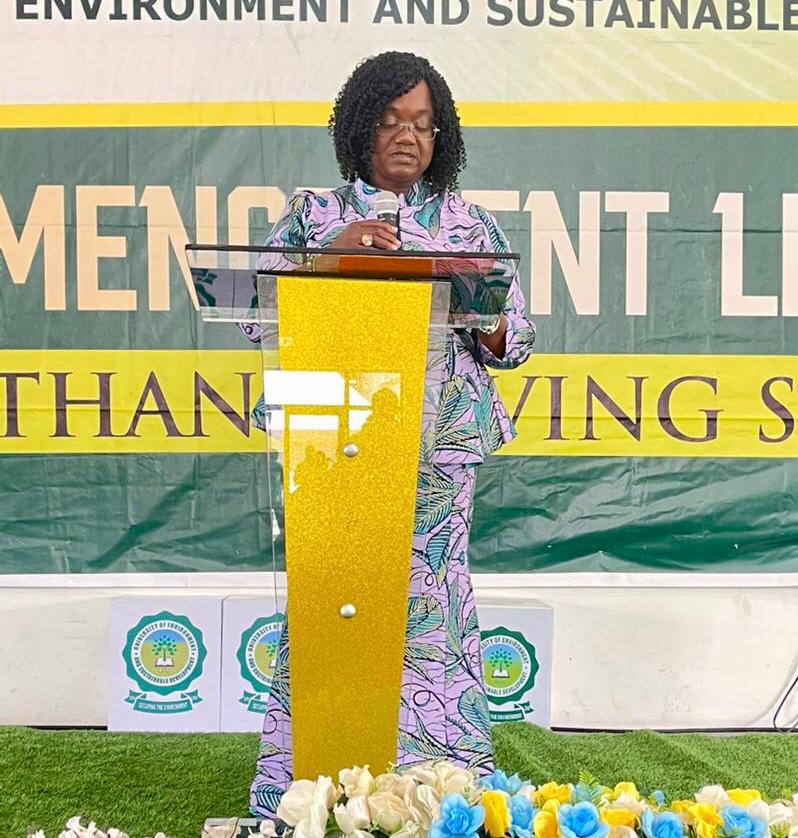

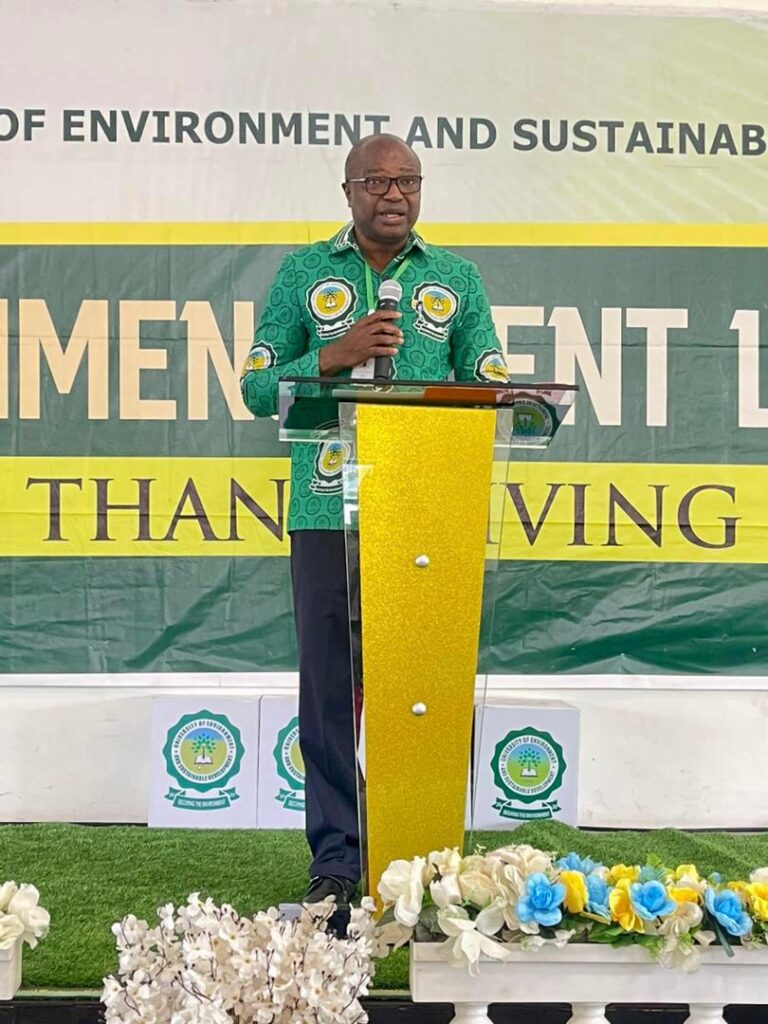
Prof. Abass traced the history of mining in Ghana, explaining that the practice predates European contact and was traditionally carried out through panning along riverbanks, streams, and coastal areas. He reviewed several government interventions aimed at addressing illegal mining (galamsey), including the Inter-Ministerial Committee ban in 2017, Operation Vanguard, Galamstop in 2019, and the Blue Water Guards initiative in 2025. However, he observed that these interventions failed to achieve lasting success due to political interference, weak regulation, the influx of foreigners, bribery, corruption, and the politicisation of the galamsey discourse. He added that Ghana’s inability to prioritise research has further compromised efforts to tackle the menace holistically. Prof. Abass stressed that galamsey remains one of Ghana’s most serious environmental challenges, with devastating effects on ecosystems—particularly water bodies—and must be addressed with urgency and commitment. In his remarks, the Vice-Chancellor of UESD, Prof. Eric Nyarko-Sampson, urged scholars, educators, and students to move knowledge beyond classrooms and laboratories into practical, real-world solutions.


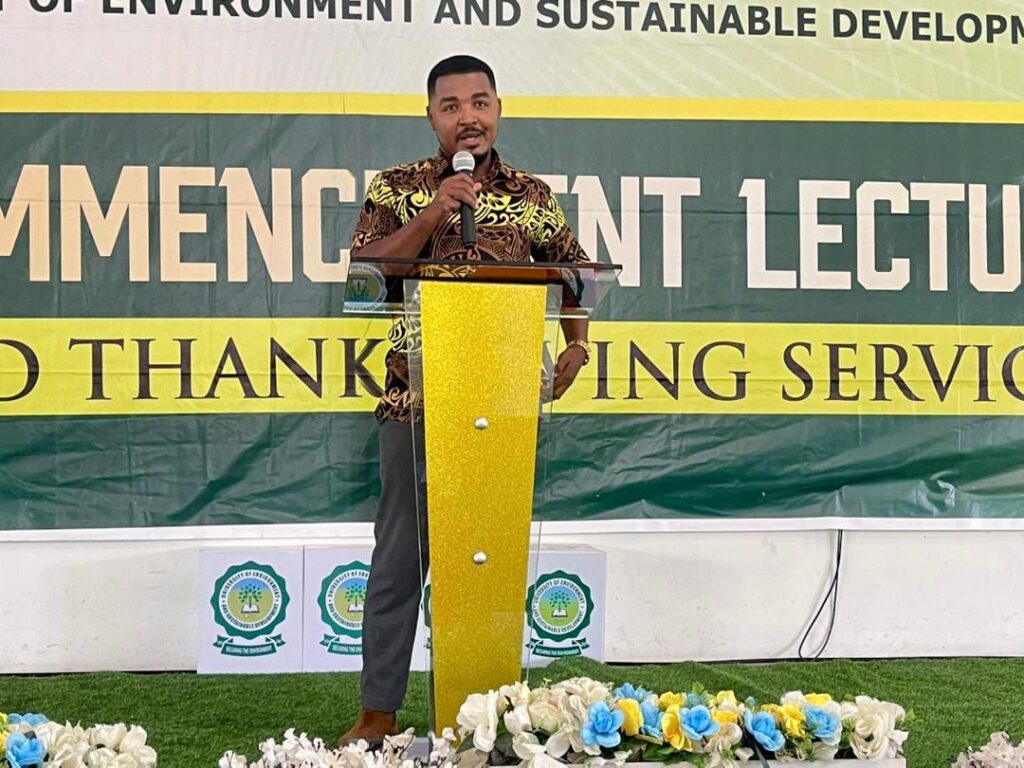
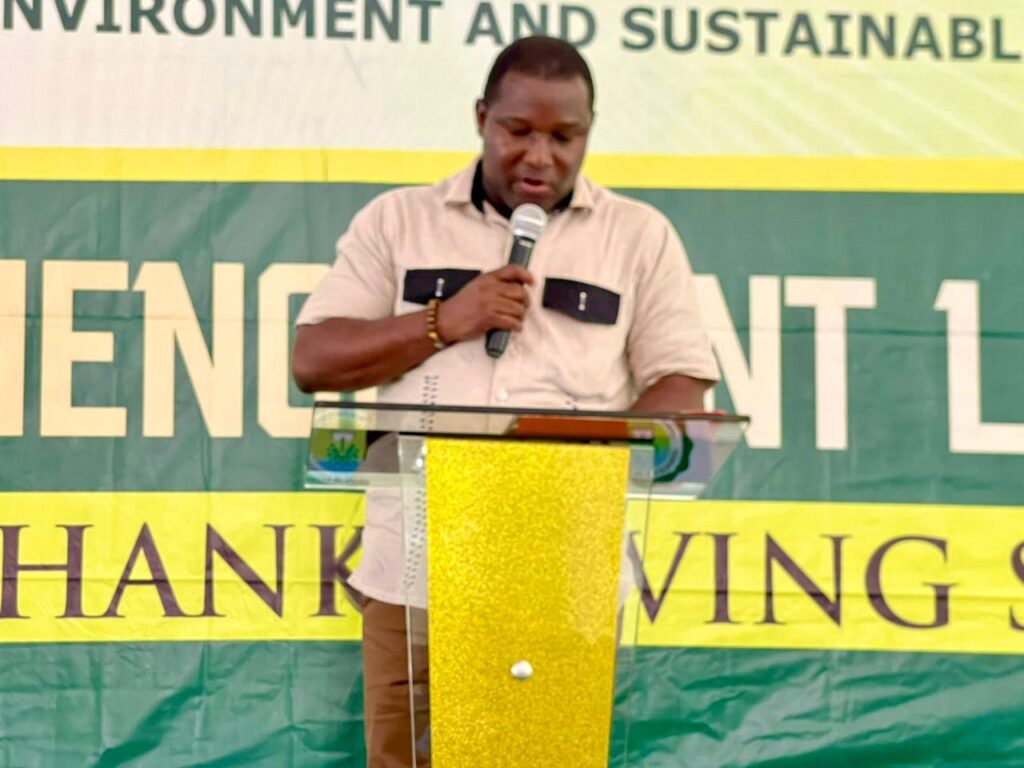
He emphasised the importance of research-driven policy engagement and called on the University community to actively challenge practices that degrade the environment. Prof. Nyarko-Sampson announced academic initiatives aimed at strengthening capacity to address environmental degradation and mining-related challenges. These include existing MSc and MPhil programmes in Environmental Restoration Studies, with plans to introduce a PhD programme. He also disclosed ongoing efforts to roll out MSc Environment, Health and Safety (EHS), as well as MSc and MPhil programmes in Environmental Toxicology, to assess the health and environmental impacts of toxic chemicals released through mining activities and develop effective mitigation strategies. The Vice-Chancellor further outlined UESD’s readiness to collaborate with stakeholders in environmental education and awareness creation, eco-friendly research and innovation, advocacy for appropriate legislation and enforcement, community empowerment, and student-led environmental leadership initiatives. He encouraged students to take up leadership roles as champions of environmental sustainability across all sectors of society. He reminded the audience that the environment is a trust held on behalf of future generations and called on the University community and stakeholders to act with courage and unity in confronting the galamsey menace. Quoting former UN Secretary-General and Ghanaian statesman Kofi Annan, he underscored the interdependence of development, security, environmental protection, and human rights.