
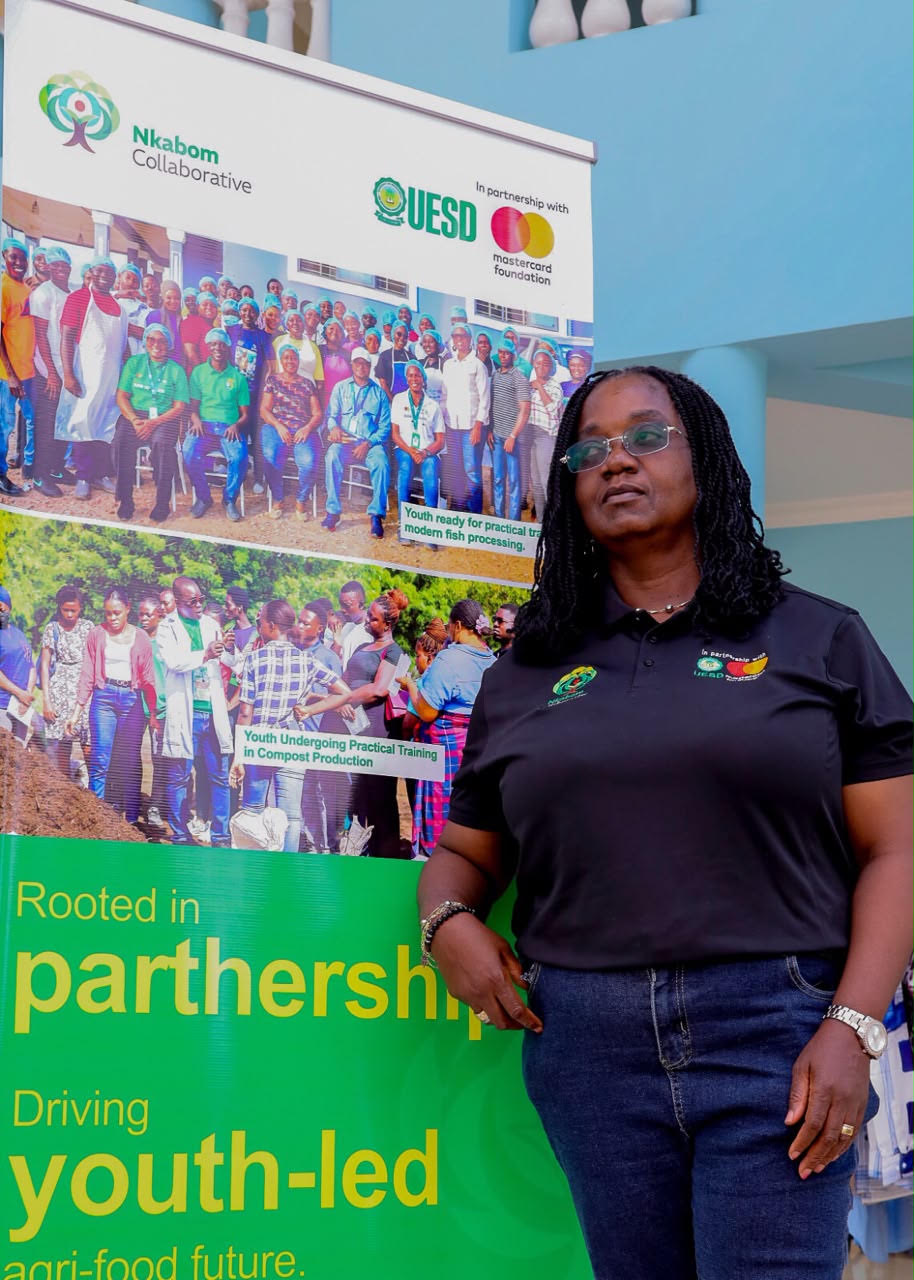
The Project Administrator of the Nkabom Collaborative-UESD and Registrar of the University of Environment and Sustainable Development (UESD), Mrs Mary Abena Agyepong, has urged members of the Collaborative to prioritise measurable impact and document beneficiaries’ success stories as the project enters its third year of implementation.
She made the call at the closing ceremony of a three-day retreat held in Koforidua, the Eastern Regional capital.
The retreat, held under the theme “Year 2 Performance Evaluation and Year 3 Strategic Implementation,” reviewed the Collaborative’s performance in Year 2 and focused on strategic objectives, key performance indicators, annual targets, implementation priorities, quarterly work plans, assignment of responsibilities, and monitoring and evaluation, including tracer studies and tracking youth employment outcomes for Year 3.
The retreat provided members the opportunity to reflect on their achievements, draw lessons from implementation challenges, and renew their commitment to the Collaborative’s long-term vision.
Mrs Agyepong urged them to ensure that Year 3 activities remained aligned with the Mastercard Foundation’s mission of enabling young Africans, particularly young women, refugees and displaced persons, and persons with disabilities, to access dignified and fulfilling work.
She stressed the need for members to place impact at the centre of their work and uphold the values of humility, listening, kindness, respect and co-creation in their engagements with beneficiaries and partners.
The Project Administrator also highlighted the importance of the partnership between McGill University in Canada, UESD, other participating Ghanaian institutions and industry partners in strengthening institutional capacity, developing postgraduate programmes and creating practical learning and entrepreneurship opportunities for young people.
She called on members to pay particular attention to vulnerable groups in documenting the project’s impact, stressing the need for stories that reflect the changes in their lives.
“We need stories of hope for the youth, who are the future of this nation; tangible change for internally displaced persons, offering them stability and dignity; empowerment for women, who are the backbone of our communities; and inclusion for persons with disabilities, ensuring that our development is accessible to all,” she said.
Mrs Agyepong urged members to be deliberate in capturing these experiences and documenting how the project’s interventions were creating opportunities and improving lives.
As she announced that the retreat would be her last in her capacity as Project Administrator, Mrs Agyepong expressed confidence in the team’s ability to sustain the project’s vision, describing the Collaborative as a collective effort whose success depended on the commitment and contributions of all members. She encouraged the team to translate the plans developed during the retreat into concrete results, with particular attention to youth employment, enterprise development and sustainable livelihoods.